
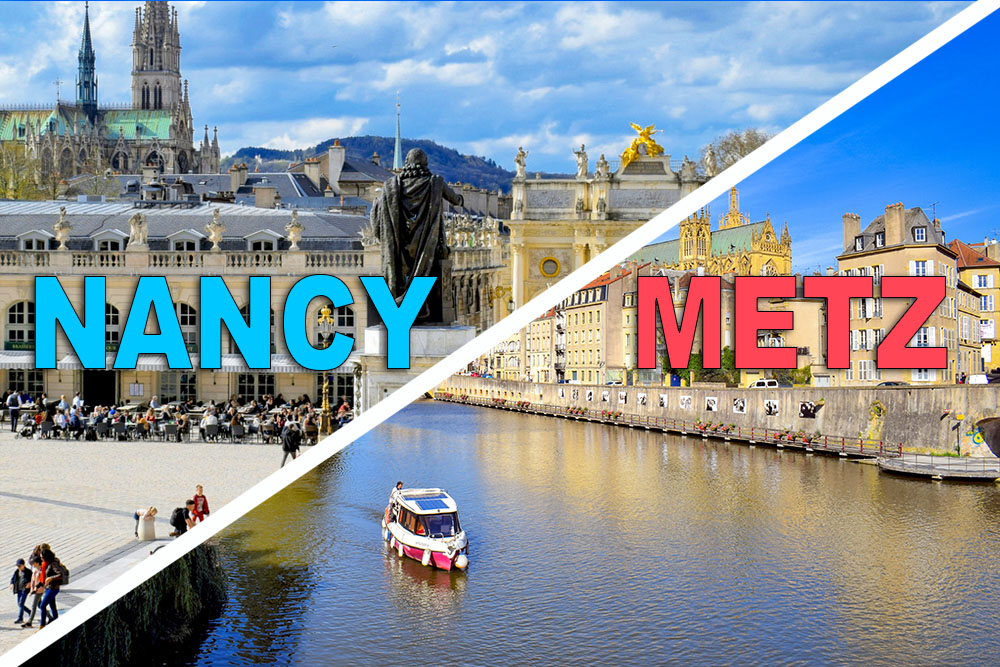

Nancy or Metz — it’s a question many travellers ask when planning a trip to eastern France. Both cities lie in the historic region of Lorraine, both are rich in culture and architecture, and both can be reached from Paris in little more than an hour by high-speed train. Yet despite their proximity, they offer very different experiences.
From Paris, the journey is remarkably easy. The TGV reaches Metz in about 1 hour and 20 minutes, while Nancy is only slightly farther at around 1 hour and 30 minutes. This makes both cities ideal destinations for a weekend getaway or a short cultural escape from the French capital.
At first glance, Nancy and Metz might seem similar: two historic cities shaped by the complex history of Lorraine, a region long influenced by both France and neighbouring Germany. But once you start exploring their streets, their personalities quickly become clear.
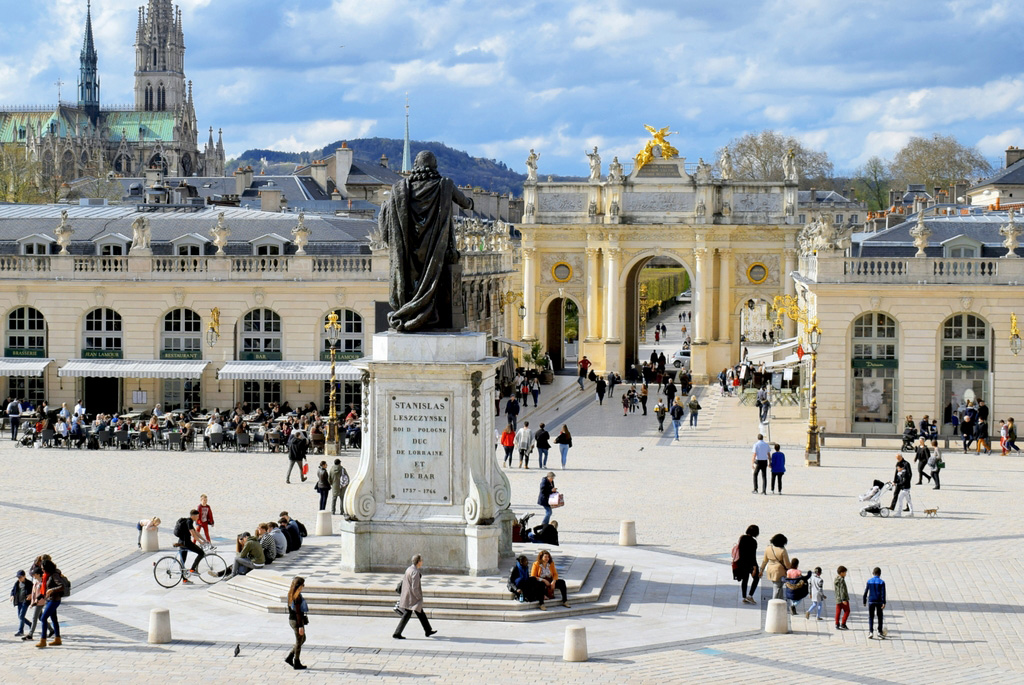
Nancy is a city of elegance and grand design, famous for its magnificent Place Stanislas and its remarkable heritage of Art Nouveau architecture. With its lively squares, cafés and university atmosphere, it feels vibrant and refined at the same time.
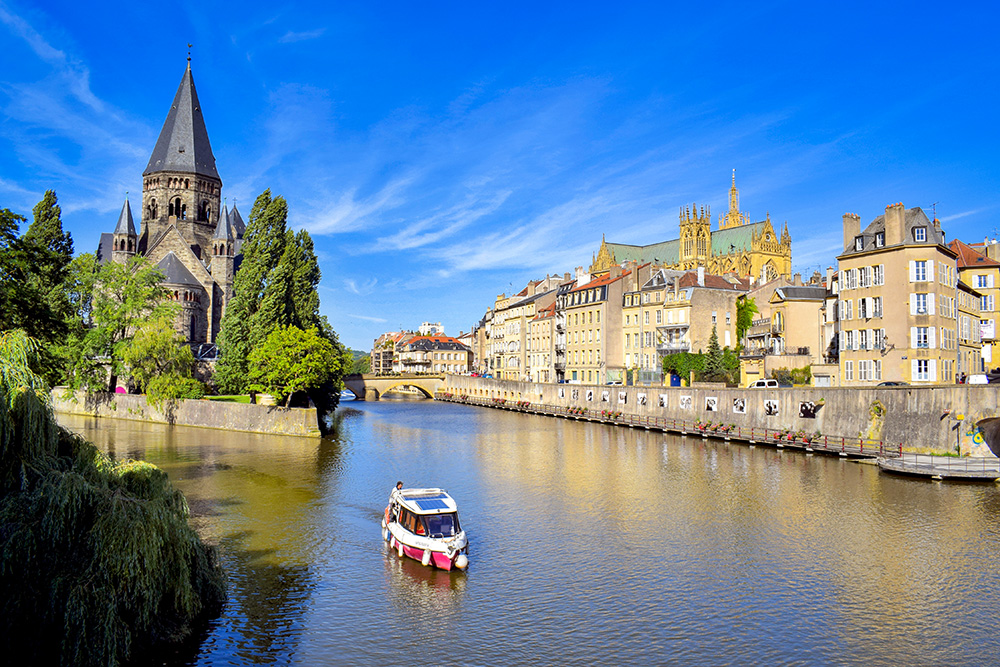
Metz, by contrast, has a more medieval and atmospheric character. Built largely in warm golden Jaumont stone and surrounded by rivers and gardens, it offers a quieter and more contemplative charm. Its soaring Saint-Étienne Cathedral, filled with extraordinary stained glass, dominates a skyline that feels distinctly different from Nancy’s classical harmony.
Yet the two cities also share many things in common. Both reflect the culinary traditions of Lorraine, where dishes such as quiche lorraine, tourte lorraine and mirabelle desserts remain local favourites. Both celebrate centuries of history, art and culture. And both welcome visitors with a distinctly eastern-French atmosphere that feels different from anywhere else in the country.
So if you’re planning a trip to Lorraine and wondering Nancy or Metz — which city should you choose?
In this guide, we’ll explore what makes each destination unique, compare their atmosphere, architecture and cultural highlights, and help you decide which Lorraine city might be the perfect choice for your trip.
Table of Contents
Nancy: The Elegant City of Dukes and Art Nouveau
If you choose Nancy, you are stepping into a city that reflects centuries of refinement, culture and artistic ambition. Once the capital of the Duchy of Lorraine, Nancy developed a reputation for elegance that is still visible today in its architecture, its grand squares and its lively cultural life.
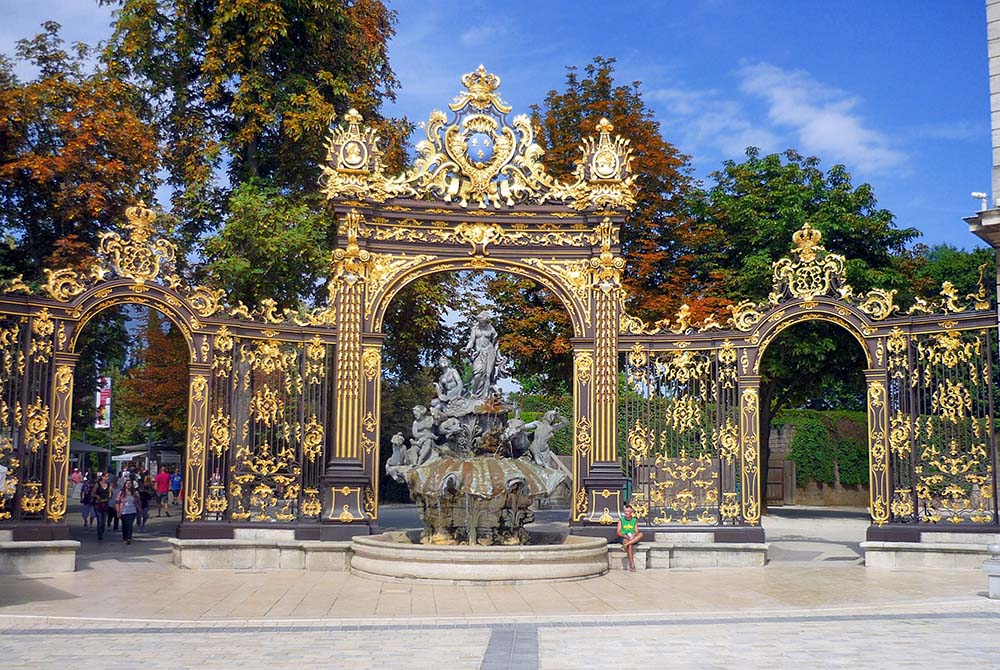
The undisputed heart of the city is the magnificent Place Stanislas, often considered one of the most beautiful squares in Europe. Built in the 18th century by Stanislas Leszczynski, the former king of Poland and last duke of Lorraine, the square forms the centrepiece of a remarkable urban ensemble now listed as a UNESCO World Heritage Site.
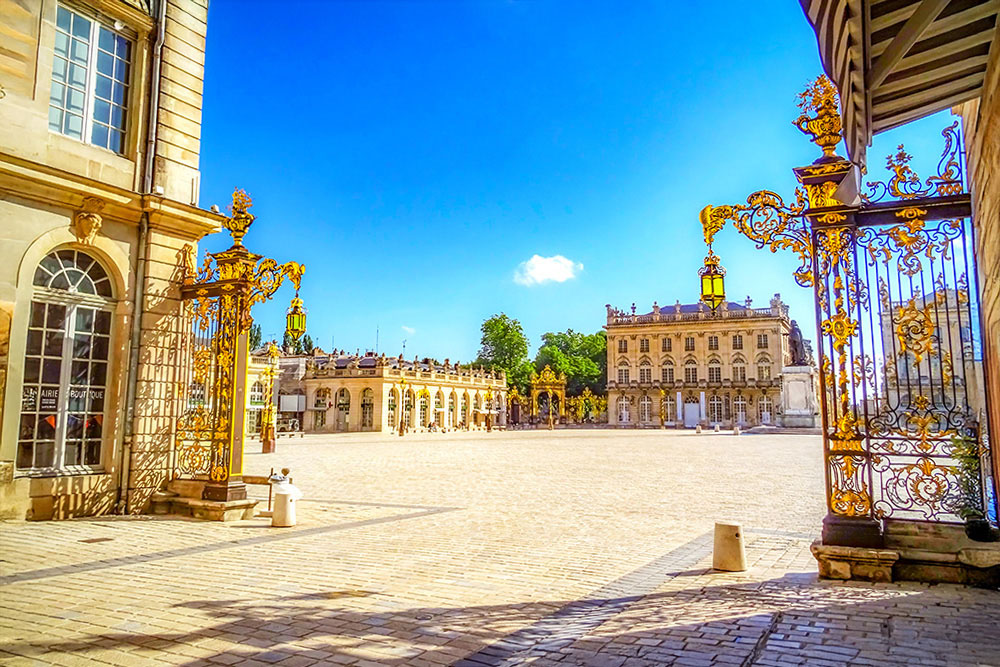
Surrounded by harmonious classical façades, gilded gates and elegant fountains, Place Stanislas feels almost theatrical in its perfection. During the day, cafés and restaurants line the square, while at night the buildings glow under soft golden lighting. It is the kind of place where visitors naturally pause to take in the atmosphere.
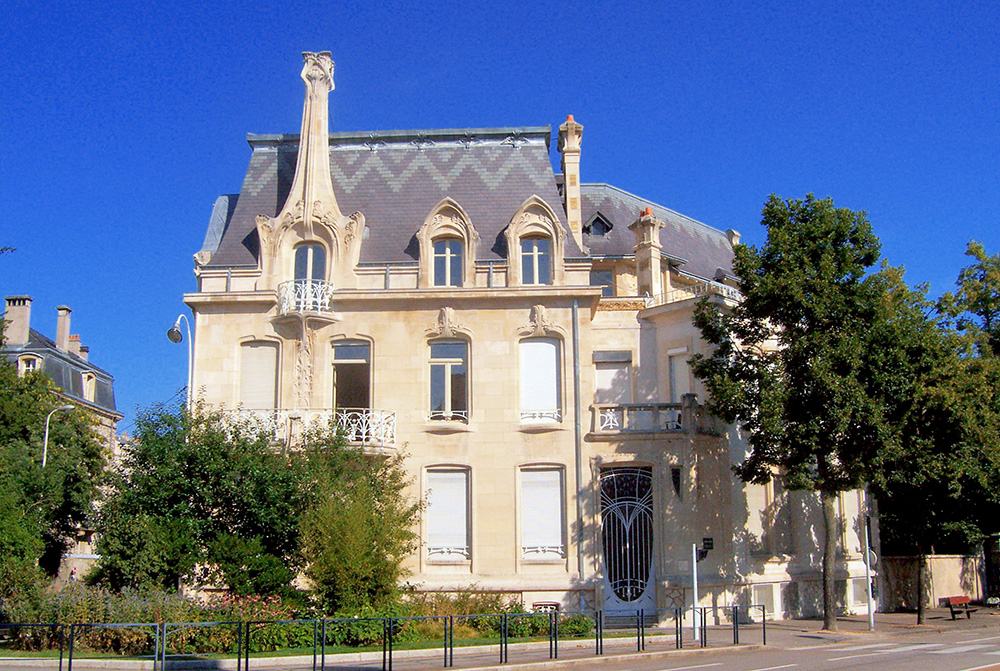
But Nancy is not only about classical grandeur. The city also played a major role in the development of Art Nouveau at the turn of the 20th century. The movement flourished here thanks to a group of artists and designers known as the École de Nancy, who transformed the city into one of the great centres of Art Nouveau in Europe.

Today, visitors can discover this artistic legacy throughout the city. Decorative ironwork, floral motifs and elegant façades appear on buildings across Nancy, particularly in neighbourhoods developed during the Belle Époque. The Musée de l’École de Nancy and the beautifully restored Villa Majorelle offer fascinating insights into this creative period.
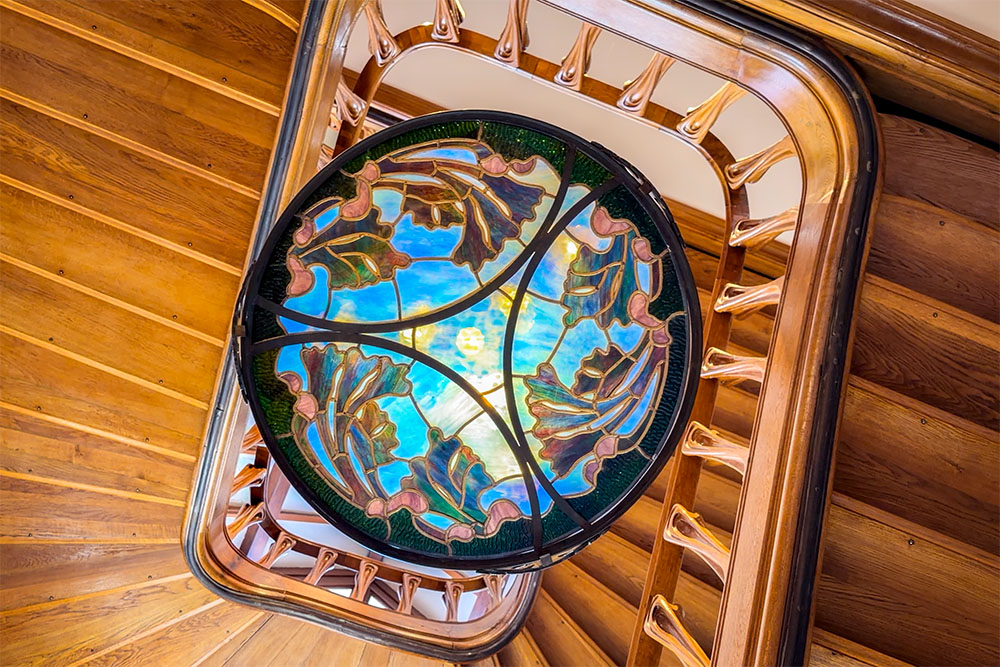
Nancy is also home to an excellent Museum of Fine Arts, located directly on Place Stanislas. Its collections span several centuries of European art, from Renaissance paintings to works by modern masters, as well as a remarkable display of glasswork by the famous Lorraine manufacturer Daum.

Beyond its monuments and museums, Nancy has a vibrant atmosphere shaped in part by its large student population. University life brings energy to the cafés, restaurants and cultural venues that fill the city centre. In the evenings, terraces remain lively and the elegant streets feel animated without ever losing their refined charm.
All of this gives Nancy a distinctive personality. It is a city where ducal history, classical architecture and artistic innovation come together to create an atmosphere that feels both sophisticated and welcoming — a place where Lorraine’s cultural heritage is displayed with unmistakable elegance.
Metz: The Golden City of Lorraine
If Nancy is known for its elegance and grand squares, Metz offers a completely different atmosphere. Older, quieter and deeply rooted in medieval history, the city reveals its charm through winding streets, riverside views and buildings glowing in the warm tones of local Jaumont stone.
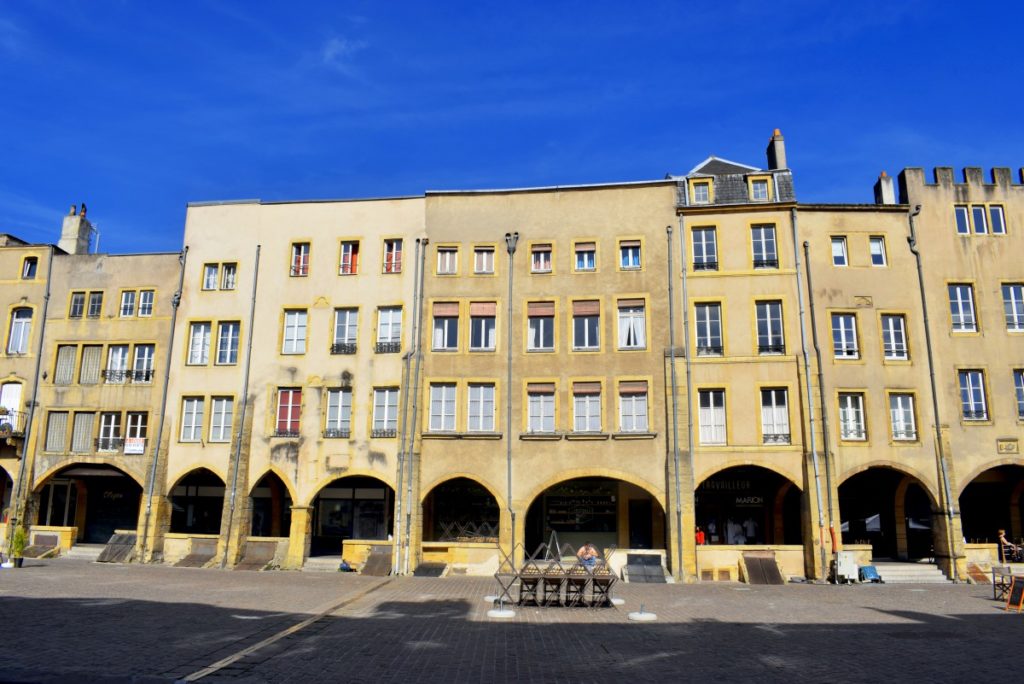
Often called the “Golden City” because of its distinctive limestone (Pierre de Jaumont), Metz has a visual identity unlike any other place in France. As the sunlight hits the façades of churches, bridges and historic houses, the entire city seems to glow with soft golden colours.
The most impressive monument in Metz is without question the Saint-Étienne Cathedral, one of the great Gothic cathedrals of Europe. Its immense stained-glass windows cover more than 6,000 square metres — one of the largest glass surfaces in any cathedral in the world. Because of this extraordinary light, the building is sometimes nicknamed “the Lantern of God.”

Inside, visitors can admire stained-glass windows created by several artists across the centuries, including modern works by Marc Chagall. The interior feels vast and luminous, a striking contrast to the darker Gothic cathedrals found elsewhere in France.
Metz is also a city shaped by water. The Moselle River and several smaller waterways weave through the historic centre, creating islands, bridges and peaceful riverside walks. One of the most picturesque areas is around the Temple Neuf, a neo-Romanesque Protestant church standing on an island in the river. Reflected in the water and surrounded by gardens, it forms one of the most photogenic views in the city.
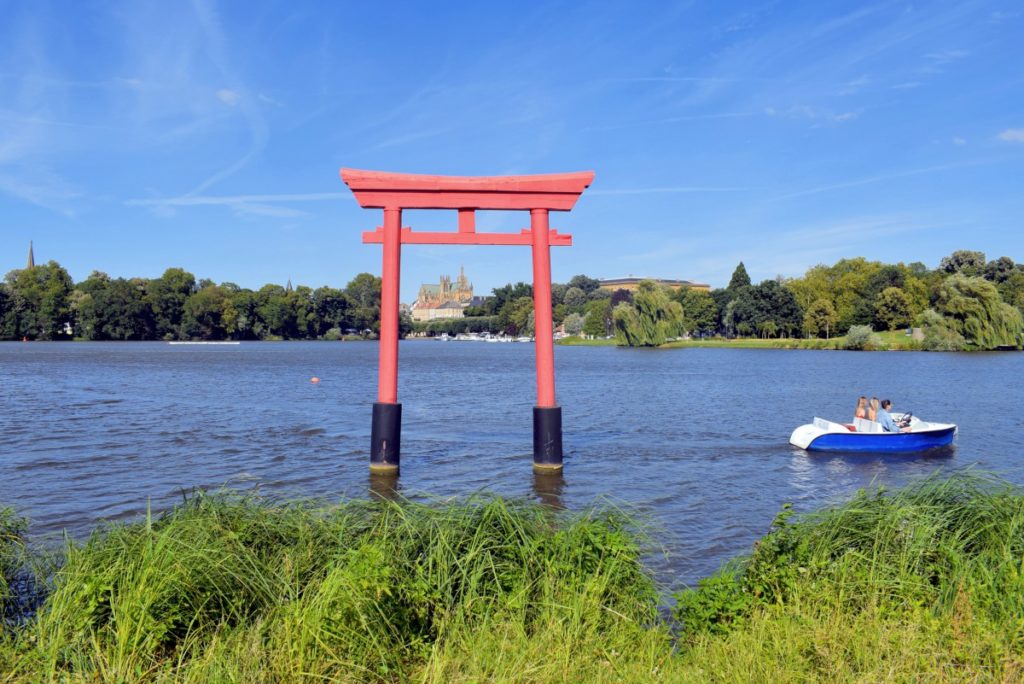
While Metz proudly preserves its medieval past, it also embraces contemporary culture. The most striking example is the Centre Pompidou-Metz, an impressive museum of modern and contemporary art that opened in 2010. Its bold architecture, inspired by the shape of a traditional Chinese hat, has become one of the city’s most recognisable landmarks.
Inside, the museum hosts major exhibitions drawn from the collections of the Centre Pompidou in Paris, making it one of the most important cultural venues in eastern France.
Compared with Nancy, Metz often feels more tranquil and contemplative. Parks, rivers and historic streets create a relaxed atmosphere that encourages slow exploration. Visitors can spend hours wandering through quiet squares, along tree-lined quays or across small bridges connecting the city’s islands.

This combination of medieval heritage, golden architecture and modern cultural ambition gives Metz a personality all its own — one that contrasts beautifully with the refined elegance of nearby Nancy.
Nancy or Metz: The Key Differences
After exploring both cities individually, the question naturally returns: Nancy or Metz — which city should you choose?
Although they are located less than 60 kilometres apart, the experience of visiting these two cities can feel surprisingly different. Their architecture, atmosphere and rhythm of life reflect distinct chapters of Lorraine’s history.
Atmosphere and Character
Perhaps the most noticeable difference lies in the overall atmosphere of each city.
Nancy feels lively, elegant and energetic. As a major university city, it has a youthful atmosphere, with cafés, restaurants and cultural venues filling the historic centre. The large squares and wide streets give the city a sense of openness and grandeur.

Metz, by contrast, often feels quieter and more contemplative. The historic centre unfolds along rivers and small islands, creating a softer and more intimate urban landscape. Visitors tend to explore Metz at a slower pace, wandering through medieval streets and along peaceful riverbanks.

In simple terms, many travellers find that:
- Nancy feels vibrant and refined
- Metz feels historic and atmospheric
Architecture and Urban Style
The architectural identity of the two cities also differs significantly.
Nancy is best known for its 18th-century classical architecture, particularly around the famous Place Stanislas and the surrounding squares. The city also stands out as one of the great centres of Art Nouveau, with elegant buildings and decorative details scattered across many neighbourhoods.
Metz, on the other hand, is characterised by its medieval heritage and golden Jaumont stone. Churches, bridges and historic houses built with this distinctive limestone give the city its warm colour and unmistakable appearance. The skyline is dominated by the towering Saint-Étienne Cathedral, whose stained-glass windows flood the interior with light.
Cultural Highlights
Both cities offer excellent cultural experiences, though their highlights differ.
In Nancy, visitors often focus on:
- the Place Stanislas
- the Museum of Fine Arts
- the legacy of Art Nouveau and the École de Nancy
In Metz, the main attractions include:
- the impressive Saint-Étienne Cathedral
- the Centre Pompidou-Metz
- the historic districts along the Moselle River
Together, these landmarks illustrate the contrast between Nancy’s artistic refinement and Metz’s blend of historic heritage and contemporary creativity.
Time Needed to Visit
Another practical difference concerns the time needed to explore each city.
Nancy offers a lively urban environment with numerous museums, parks and cultural venues. Many visitors choose to spend one or two days discovering its historic centre, art collections and neighbourhoods.
Metz can also easily fill a full day of exploration, especially if you include a visit to the Centre Pompidou-Metz and strolls along the rivers. Its compact historic centre makes it particularly pleasant for a relaxed day of wandering.
Nancy or Metz from Paris
One of the reasons travellers compare Nancy or Metz so often is that both cities are remarkably easy to reach from the French capital.
High-speed TGV trains connect Paris to Lorraine in little more than an hour, making both destinations ideal for a short trip.

From Paris to Metz, the journey takes about 1 hour and 20 minutes.
From Paris to Nancy, the trip is only slightly longer at around 1 hour and 30 minutes.
Because the travel time is so similar, many visitors simply choose the city that best matches their interests — whether they are drawn to Nancy’s elegant architecture or Metz’s medieval charm.
The good news is that the two cities are also very close to each other. Travelling between Metz and Nancy takes less than an hour by train, making it perfectly possible to visit both during the same trip to Lorraine.
Nancy or Metz in Summer
During the summer months, both cities reveal another side of their personality. Warm weather brings life to their squares, parks and riversides, making it an ideal time to explore Lorraine.
In Nancy, summer means lively terraces and animated public spaces. The elegant squares of the city, especially around Place Stanislas, are filled with cafés and restaurants where visitors and locals gather late into the evening.

Cultural events and festivals often animate the city during the warmer months, and the nearby parks and gardens offer pleasant places to relax between visits.
The city’s large student population also contributes to its vibrant summer atmosphere. Even in the quieter months of July and August, Nancy retains a sense of energy that gives it the feel of a lively cultural centre.
In Metz, summer highlights the city’s green landscapes and waterways. Metz is often considered one of the greenest cities in France, with numerous parks, tree-lined promenades and gardens spread throughout the urban area.

Walking along the banks of the Moselle or through the gardens surrounding the Temple Neuf becomes particularly enjoyable in warm weather. The golden stone of the historic buildings takes on a soft glow in the summer light, creating a relaxed and picturesque atmosphere.
While Nancy feels animated and urban in summer, Metz offers a more tranquil setting where rivers, bridges and historic streets invite slow exploration.
Nancy or Metz at Christmas
Winter brings a completely different atmosphere to Lorraine, and the comparison between Nancy or Metz becomes especially interesting during the Christmas season.
In Metz, Christmas is celebrated with one of the most famous Christmas markets in eastern France. Spread across several squares in the historic centre, the market fills the city with wooden chalets, festive lights and the scent of seasonal treats. Visitors can browse handcrafted gifts, taste regional specialities and enjoy the lively winter atmosphere that transforms the city during the holiday season.

Nancy celebrates the festive period in a different but equally distinctive way. Rather than focusing primarily on a Christmas market, the city is known for its famous Saint Nicholas celebrations in early December. Saint Nicholas is the historic patron saint of Lorraine, and his arrival is marked by a large parade, public festivities and a joyful atmosphere throughout the city.
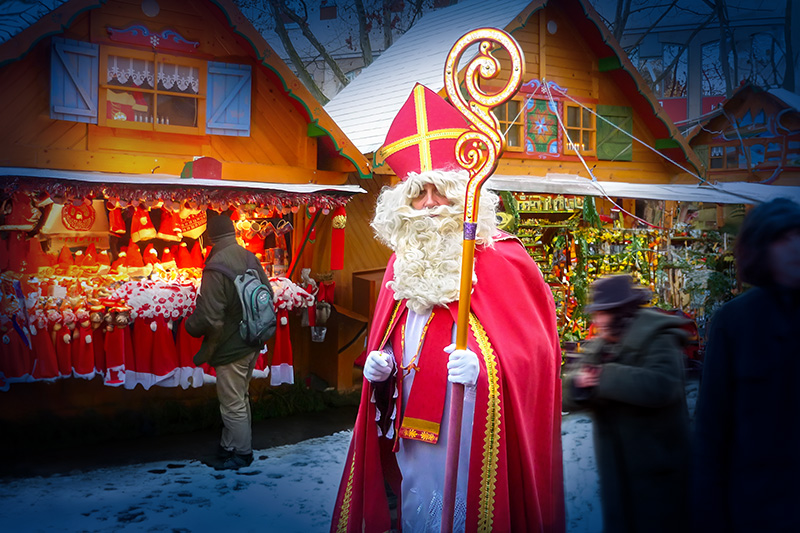
This celebration is deeply rooted in local tradition and attracts visitors from across the region every year.
Both cities offer memorable winter experiences, but the atmosphere differs slightly:
- Metz offers a classic Christmas market experience
- Nancy celebrates the historic Saint Nicholas traditions of Lorraine
For travellers visiting eastern France during the winter season, either city provides a festive and atmospheric destination.
Gastronomy: What Nancy and Metz Have in Common
While Nancy and Metz differ in atmosphere and architecture, they share the same rich culinary heritage of Lorraine gastronomy.
One of the region’s most famous dishes is quiche lorraine, the traditional savoury tart made with eggs, cream and bacon that originated in this part of France and is now known around the world.
Another classic regional speciality is the tourte lorraine, a hearty pie made with marinated pork and veal baked in golden puff pastry. This comforting dish is a favourite in bakeries and traditional restaurants across Lorraine. A variant is the delicious pâté lorrain.
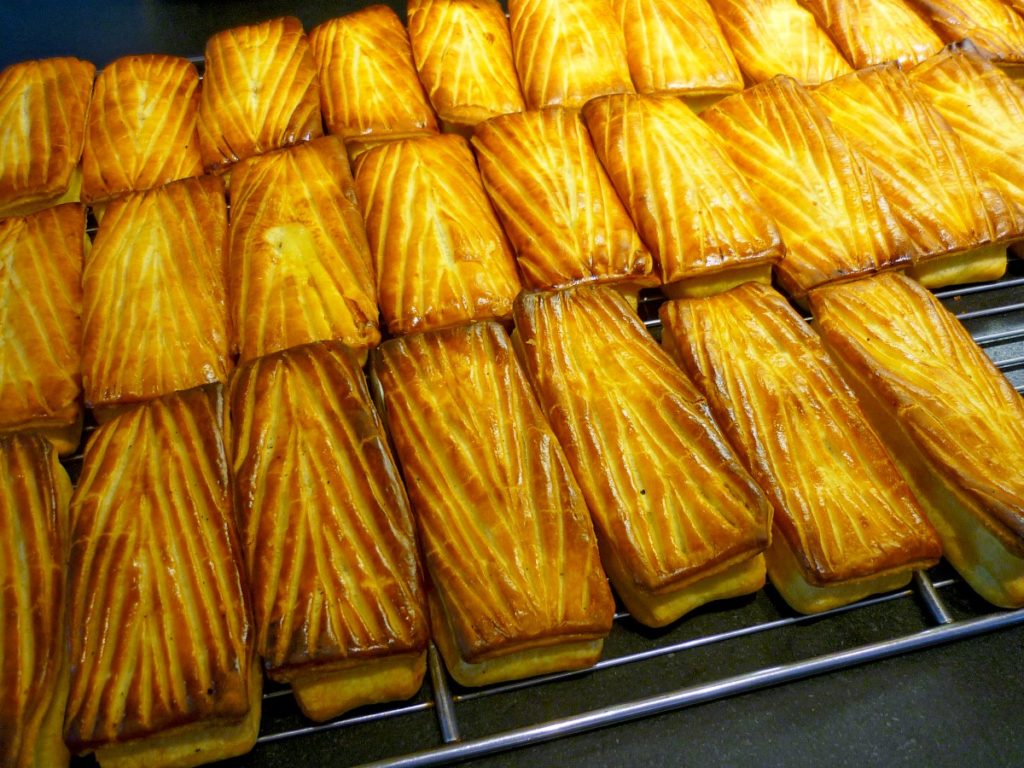
The region is also famous for the mirabelle plum, a small golden fruit harvested in late summer. Both Nancy and Metz celebrate this local delicacy in many forms: jams, tarts, liqueurs and desserts.
Interestingly, locals sometimes point out that the varieties of mirabelle differ slightly between the areas around the two cities, and friendly debates occasionally arise over which one produces the finest fruit.

These shared culinary traditions remind visitors that despite their differences, Nancy and Metz belong to the same cultural landscape — one where food, history and local pride remain deeply connected.
Nancy and Metz: A Historic Rivalry in Lorraine
The question Nancy or Metz is not only a matter of travel planning — it also echoes a long historical rivalry between the two cities.
Metz is the older of the two. Its origins date back to Roman times, and during the Middle Ages, it became a powerful free imperial city of the Holy Roman Empire. Its strategic location and strong fortifications made it one of the most important cities in the region.

Nancy rose to prominence later as the capital of the Duchy of Lorraine, where the dukes established their residence and shaped the city into a centre of political and cultural life. The creation of Place Stanislas in the 18th century symbolised the city’s elegance and growing prestige.

These different historical roles helped shape the distinct personalities of the two cities. Metz developed a more medieval and strategic identity, while Nancy became associated with ducal refinement, art and intellectual life.
Today, the rivalry between Nancy and Metz is mostly friendly, but locals still enjoy debating which city is more beautiful or more representative of Lorraine.
For visitors, this contrast simply means that exploring both cities reveals two fascinating sides of the region’s history.
Nancy or Metz: Which City Should You Choose?
So, when planning your trip to Lorraine, the question remains: Nancy or Metz — which city should you visit?
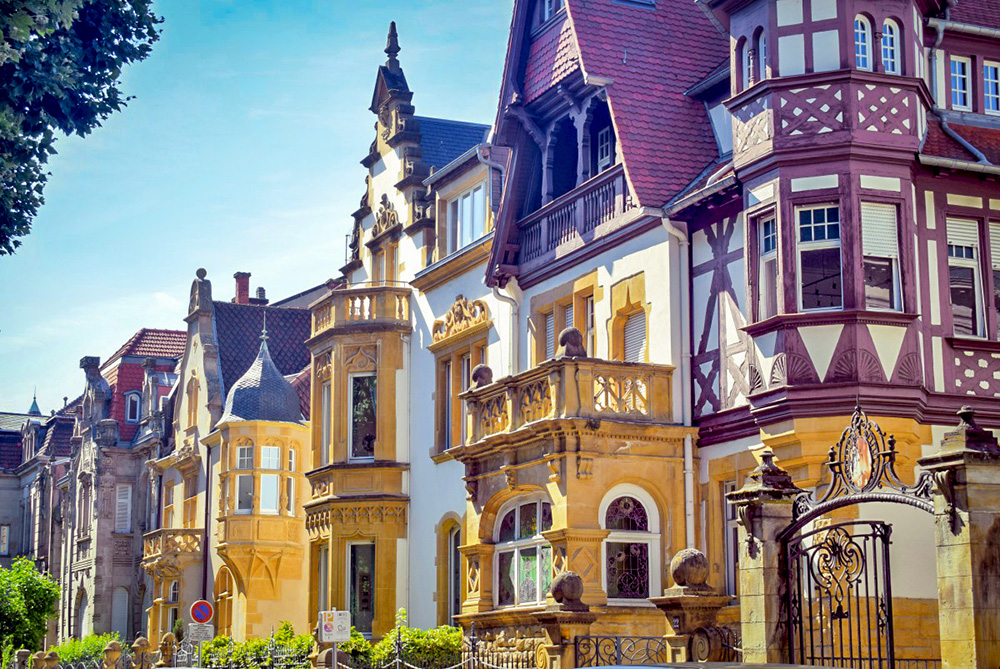
Choose Nancy if you are drawn to elegant architecture, grand squares and artistic heritage. The city’s lively atmosphere, rich cultural life and remarkable Art Nouveau legacy make it a destination where history and creativity meet.
Choose Metz if you prefer medieval charm, riverside landscapes and a quieter, more contemplative atmosphere. Its golden stone architecture, impressive cathedral and modern cultural institutions give the city a unique character.
Of course, the ideal solution is often the simplest one: visit both.
Separated by less than an hour of travel, Nancy and Metz together offer two complementary visions of Lorraine — one shaped by ducal elegance, the other by medieval heritage and golden stone.
And for travellers curious to discover the region beyond the usual tourist routes, exploring both cities can become one of the most rewarding experiences in eastern France.