

There are many unforgettable spots in Lorraine, but for me, this region is more than just a destination on a map. I was born there, and that simple fact has shaped the way I see it ever since.
Lorraine is deeply familiar to me. Its landscapes, towns, church towers, village streets and open horizons belong to my earliest sense of place.
And yet, familiarity does not diminish its beauty. If anything, it sharpens my affection for it.
Over the years, I have come to realise that what feels natural to someone born in Lorraine can appear truly extraordinary to a visitor from Britain, America or Australia discovering this part of France for the first time.
That is perhaps one of Lorraine’s quiet strengths. It does not always announce itself with the same immediate fame as some other French regions, and yet it offers an astonishing variety of sights and atmospheres.
There are elegant eighteenth-century squares, great cathedrals, peaceful vineyard landscapes, mountain roads, glacial lakes, spiritual hilltops and places of memory that still speak powerfully across time.
Lorraine is not a region of one single identity. It is layered, nuanced and richly human.
Because I know it so well, I am also aware that the outsider’s eye sees things differently.
An anglophone traveller often notices the contrasts more vividly: the solemn grandeur of Verdun, the theatrical elegance of Nancy, the serenity of the Vosges lakes, the understated beauty of the Toulois countryside.
Lorraine does not always dazzle in obvious ways. More often, it reveals itself gradually and then stays with you.
If you are visiting for the first time and wondering which spots in Lorraine deserve your attention, these seven places will give you a wonderful introduction to a region that is both deeply moving and full of quiet surprises.
Table of Contents
7 Spots in Lorraine
Lorraine offers a remarkable range of experiences for travellers willing to look beyond the obvious.
From grand cities to rural hills, from places of remembrance to mountain scenery, these are the spots in Lorraine that best express the region’s beauty, history and personality.
Metz Cathedral

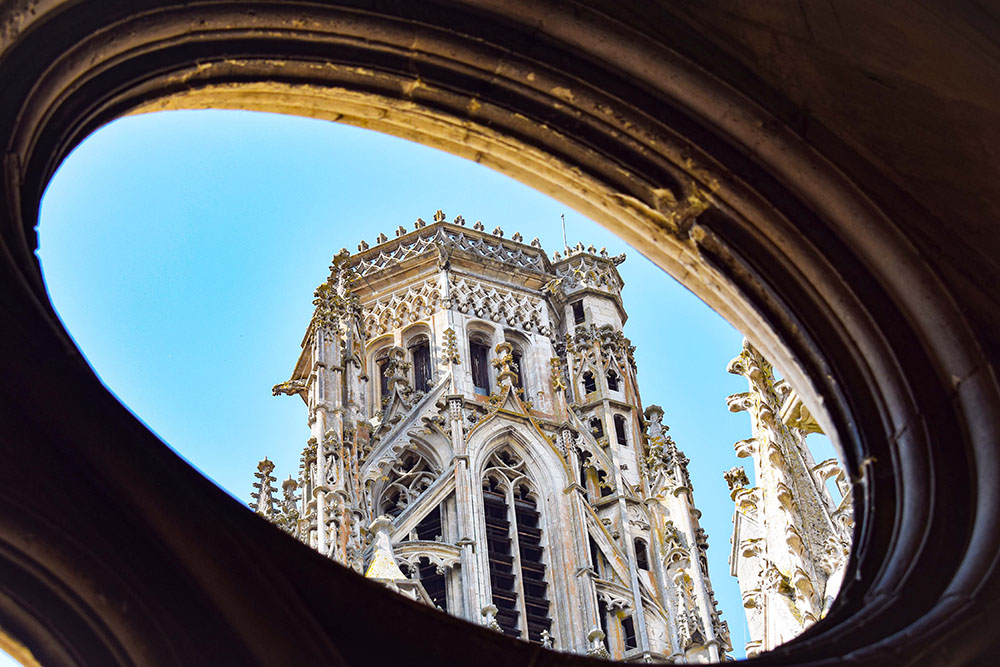
Few places in Lorraine create such an immediate impression as Metz Cathedral. It is one of those monuments that seems to alter the scale of the city around it.
Rising above the old streets of Metz in warm golden stone, the cathedral combines immense size with extraordinary refinement.
It has long been admired for its vast expanses of stained glass, which flood the interior with a luminous quality unlike almost anywhere else in France. Step inside on a bright day and the effect can be astonishing: light becomes colour, and colour becomes atmosphere.
What makes Metz Cathedral especially memorable is the balance between power and grace. From the outside, it dominates the city with undeniable authority.
Yet once inside, the feeling is not oppressive but uplifting. The lofty vaults, the shifting light and the sheer openness of the interior create a sense of calm wonder.

For first-time visitors, this is often one of the most surprising spots in Lorraine. Metz itself may not always be the first city overseas travellers think of when planning a trip to France, and yet its cathedral ranks among the great treasures of French Gothic architecture.
It is a place that rewards slow looking: the portals, the stonework, the windows, the surrounding squares, all of it contributes to an experience that is both monumental and deeply atmospheric.

Metz Cathedral is not simply a building to admire. It is a place to feel. And that is why it deserves its place at the top of any journey through Lorraine.
The eighteenth-century squares of Nancy
Nancy offers a different kind of beauty. If Metz impresses through Gothic height and spiritual light, Nancy enchants through urban elegance and harmony.
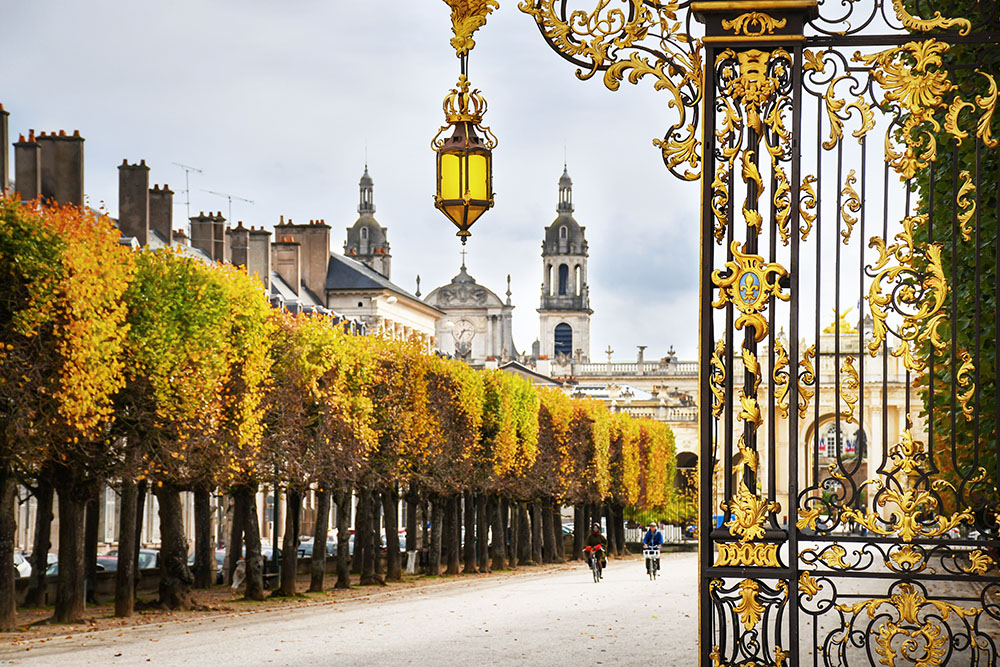
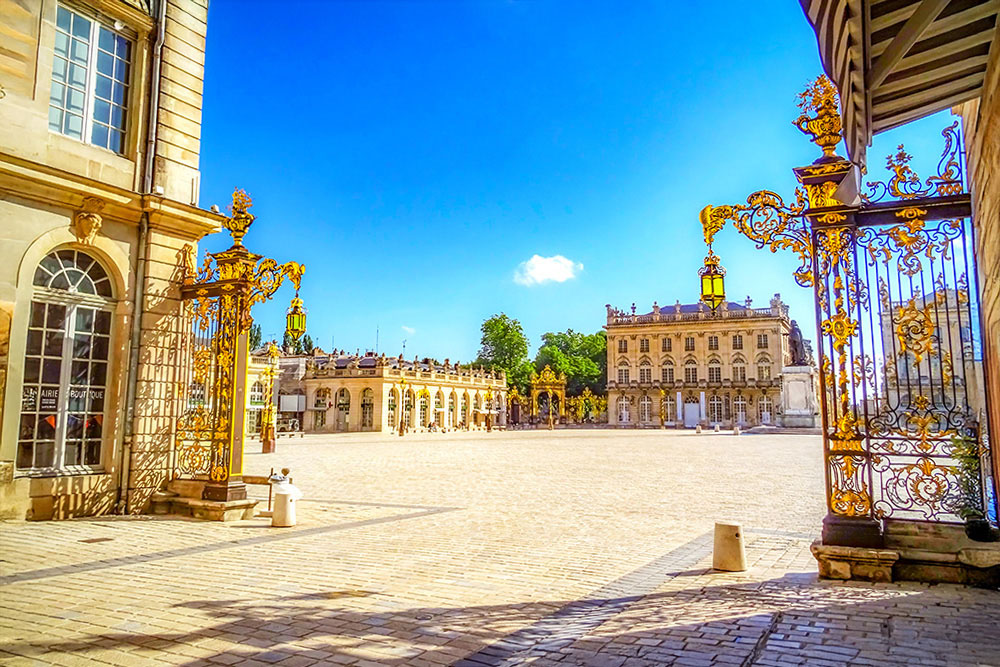
The city’s three celebrated eighteenth-century squares — Place Stanislas, Place de la Carrière and Place d’Alliance — form one of the most refined ensembles in Europe.
For many travellers, Place Stanislas is the great revelation. Its graceful proportions, gilded gates, classical façades and theatrical sense of order create a space that feels almost ceremonial. It is grand without being cold, formal without losing its charm.
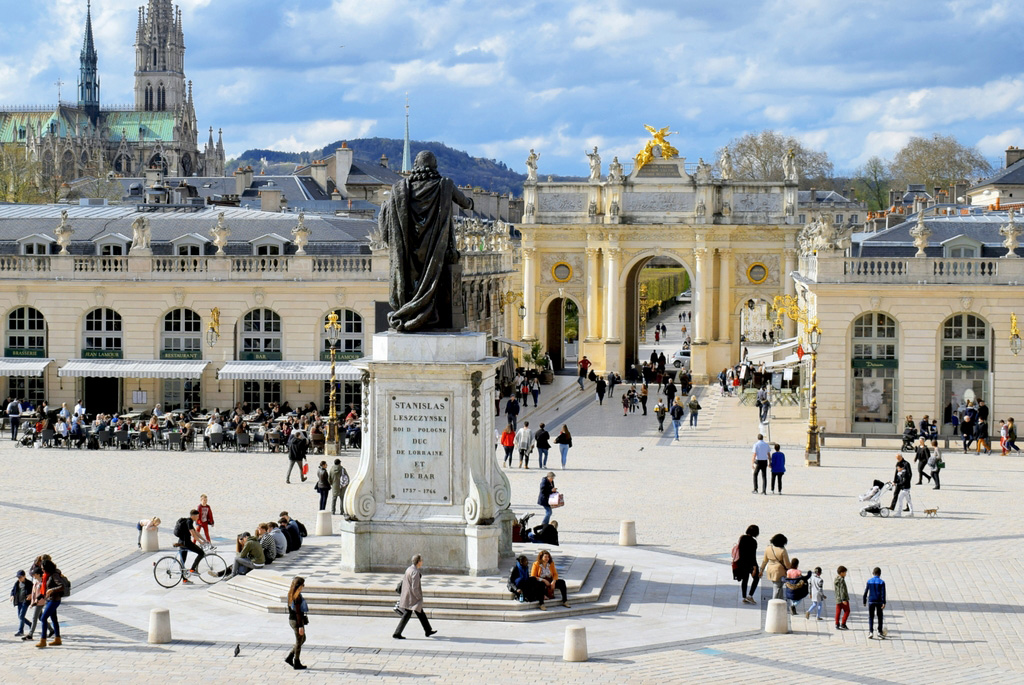
What is especially remarkable is that these squares are not isolated monuments. They form part of a wider urban composition, designed with coherence and intelligence.
Place de la Carrière, longer and calmer, brings a different rhythm, while Place d’Alliance has a more intimate refinement. Together, they reveal a vision of city planning that feels both artistic and deeply humane.
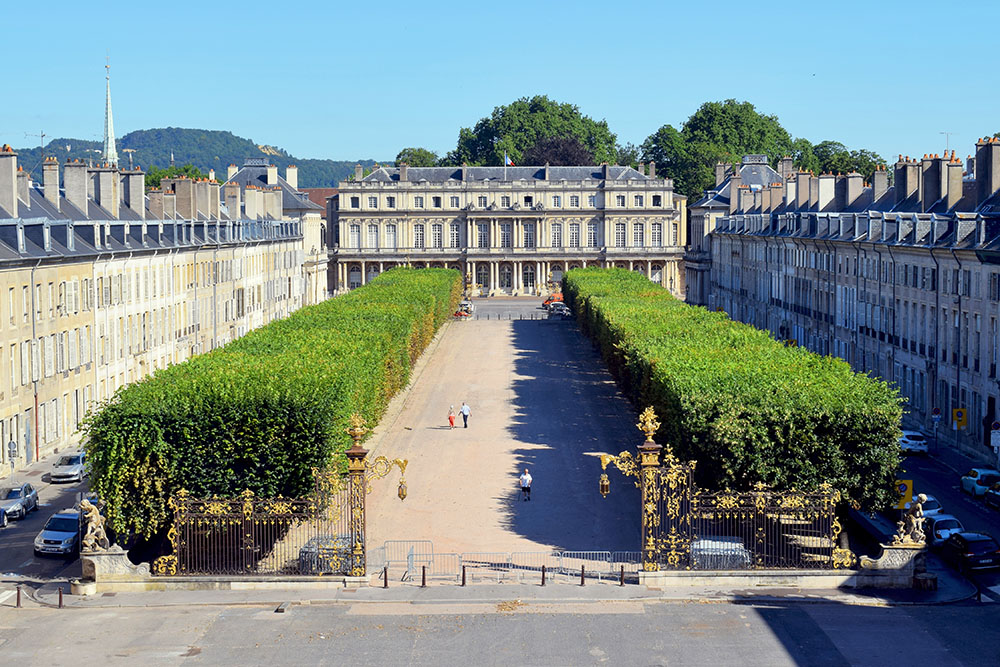
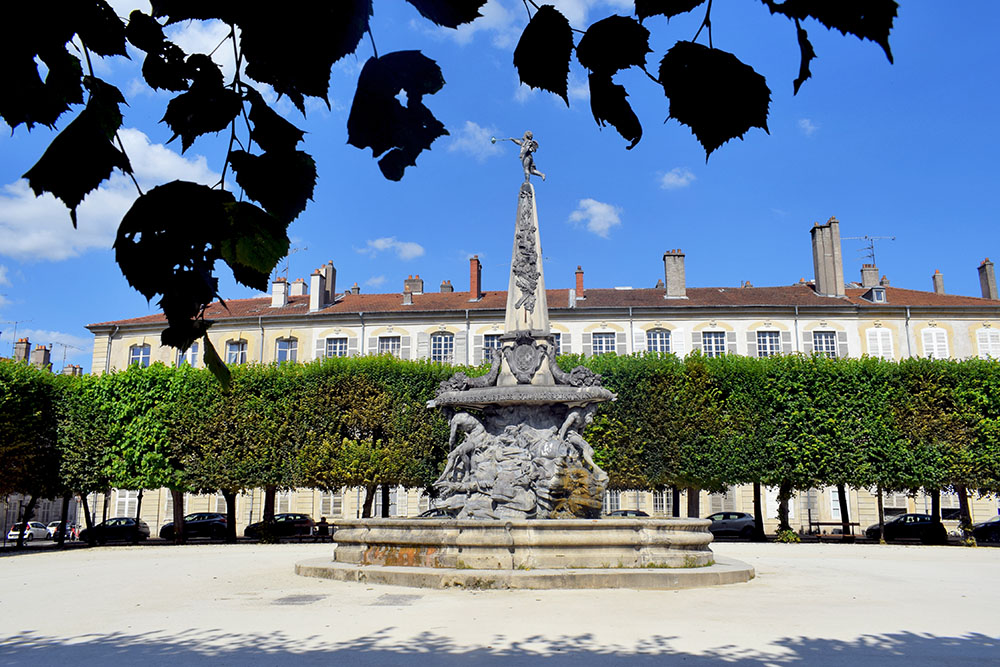
Among the most elegant spots in Lorraine, these squares stand apart because they show the region at its most polished and urbane. This is Lorraine not as rural borderland or place of memory, but as a centre of culture, taste and enlightened ambition.
Visitors from English-speaking countries often respond strongly to Nancy because it feels both unmistakably French and somehow less expected.

The city does not always receive the same attention as Paris, Strasbourg or Bordeaux, but once seen, these squares are not easily forgotten. They offer beauty of a composed, civilised kind — beauty created not by accident, but by vision.
Sion-Vaudémont Hill
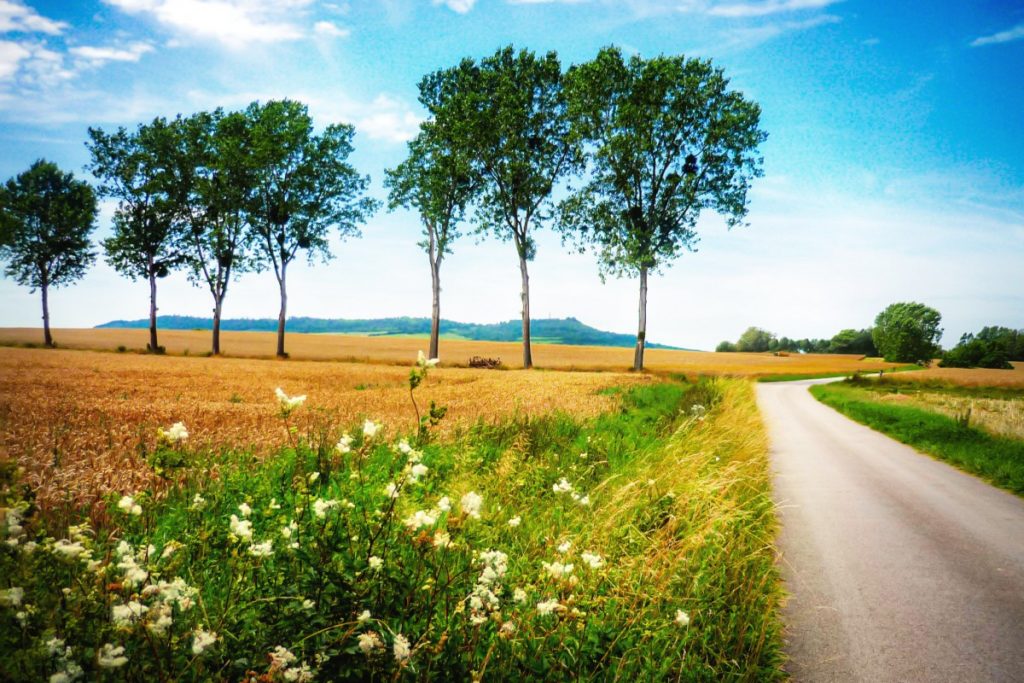
Some places move you not because they are grand in an obvious architectural sense, but because they seem to gather landscape, memory and spirit into one setting. Sion-Vaudémont Hill is one of those places.
Standing above the surrounding countryside, this prominent hill has long held a special significance in Lorraine. It is a place of pilgrimage, of history and of sweeping views. When you reach the top, what strikes you first is the sense of openness. The landscape unfolds in broad, gentle curves, and the silence often feels like part of the experience.
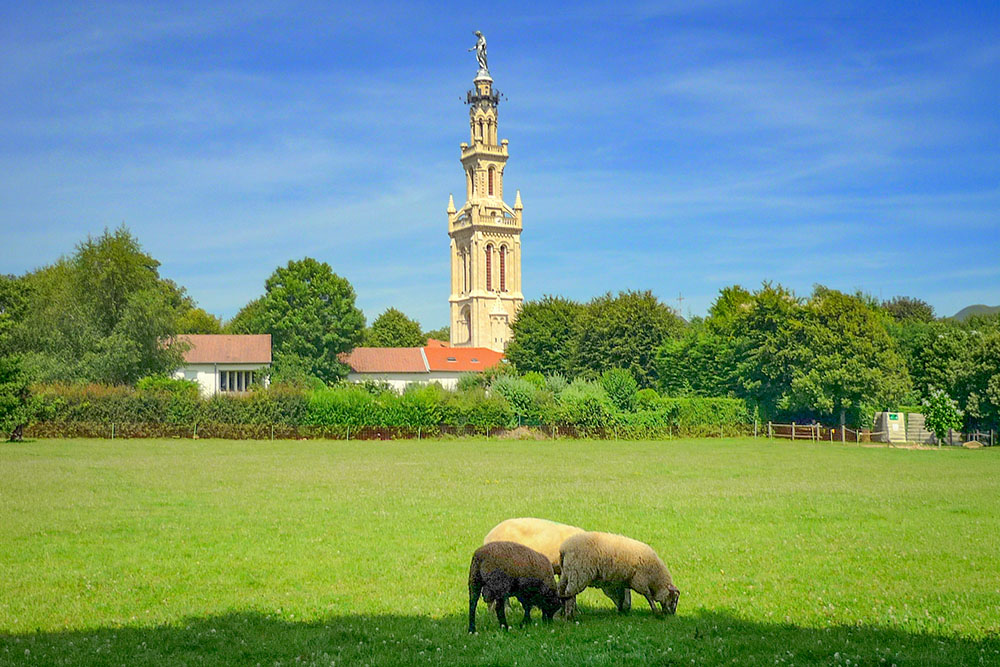
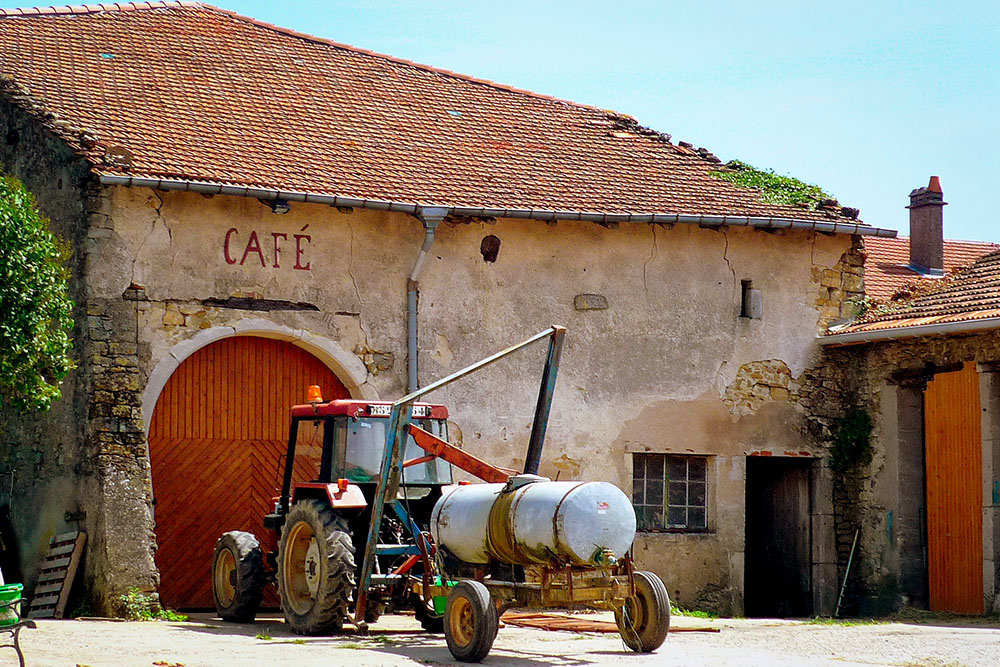
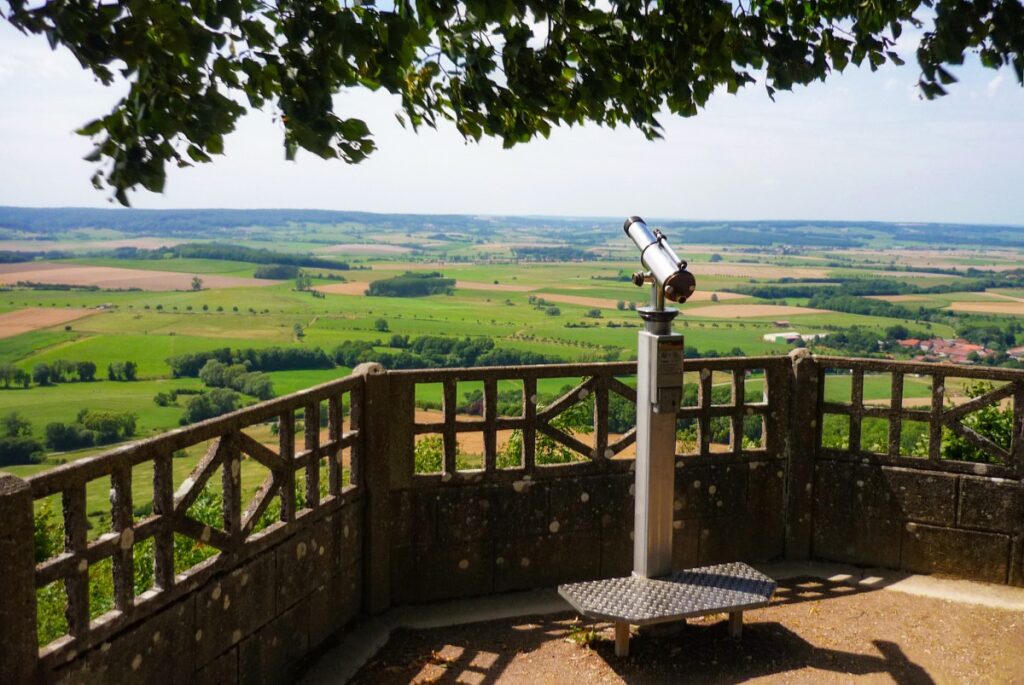
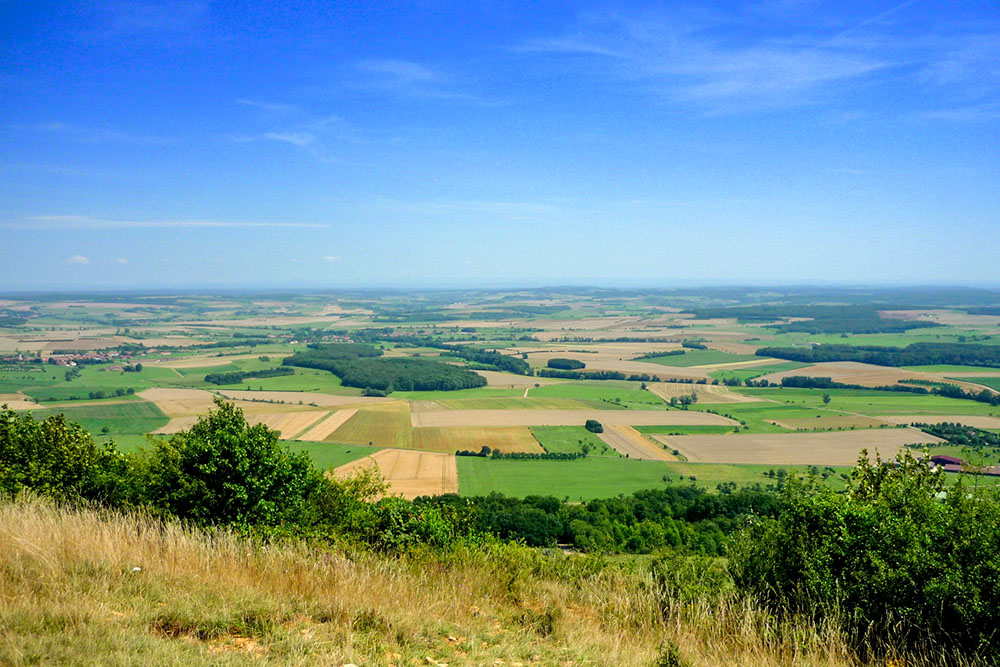
This is one of the most distinctive spots in Lorraine because it offers something beyond sightseeing. It invites contemplation. There is beauty in the hill itself, in the basilica, in the sense of elevation, but also in the emotional atmosphere of the place. You feel removed from the busyness of ordinary travel. The horizon seems wider, and time somehow slower.
For someone unfamiliar with Lorraine, Sion-Vaudémont can come as a surprise. It does not fit neatly into the usual categories of cathedral, château or village. Instead, it reveals another dimension of the region: its spiritual geography, its relationship with the land, and its ability to inspire reflection as much as admiration.
It is a place best experienced without haste. Walk a little, stand still, look out over the countryside, and let the quiet character of Lorraine speak for itself.
The three lakes of the Vosges: Gérardmer, Longemer and Retournemer
![Lac de Gérardmer. Photo by Mike Schulz Gossel - licence [CC BY-SA 4.0] from Wikimedia Commons](https://alsacelorraineguide.com/wp-content/uploads/2026/03/Lac-de-Gerardmer.-Photo-by-Mike-Schulz-Gossel-licence-CC-BY-SA-4.0-from-Wikimedia-Commons.jpg)
Lorraine is not only a region of cities and historic sites. It is also a land of forests, mountains and water, and nowhere is that more beautifully expressed than in the three lakes of the Vosges: Gérardmer, Longemer and Retournemer.
Each lake has its own mood.
Gérardmer is the best known, with its broader waters, mountain setting and lively appeal. It combines scenic beauty with the sense of a mountain resort, especially attractive in summer and autumn.
Longemer feels more serene and elongated, framed by trees and slopes that give it a quietly majestic air.
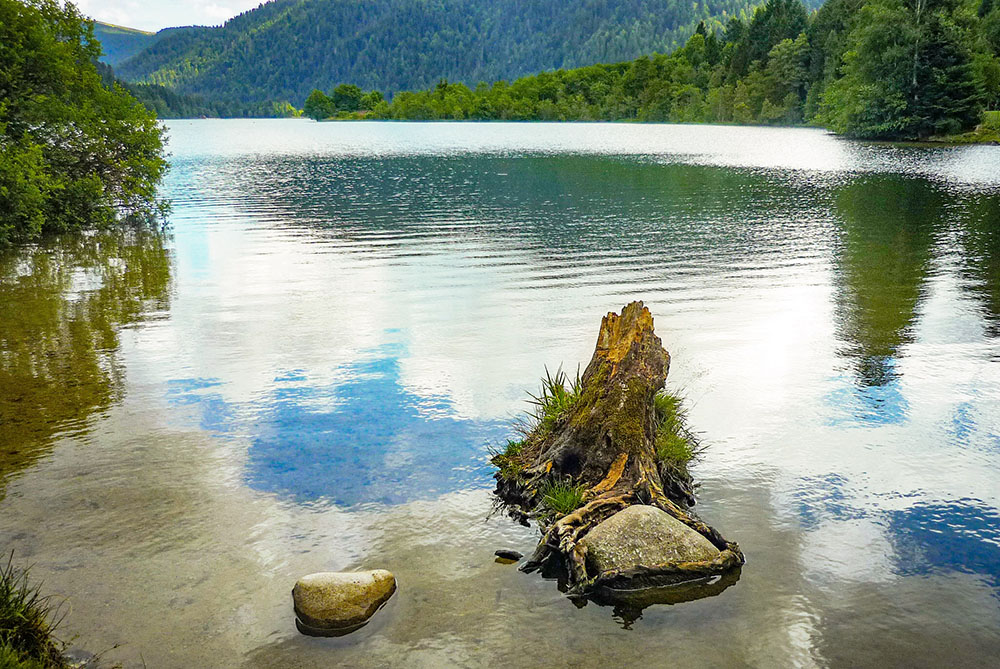
Retournemer, by contrast, is smaller and more intimate, almost secretive in atmosphere.
Together, they form some of the most enchanting spots in Lorraine for travellers who love nature. There is something deeply satisfying about the combination of still water, wooded hills and changing light. In the early morning, mist may hover over the surface. In autumn, the colours reflect softly in the water. Even on a grey day, the lakes retain a certain poetry.
What makes these places especially memorable is their emotional texture. They are not dramatic in the Alpine sense, but they possess a gentler, more intimate mountain beauty. They invite walking, pausing, breathing and simply being present.
For visitors from abroad, the Vosges lakes often reveal a side of north-eastern France they had not expected. This is not the France of Mediterranean beaches or Loire châteaux. It is something more wooded, more contemplative, and in its own way deeply romantic.
The Toulois: vineyards and countryside
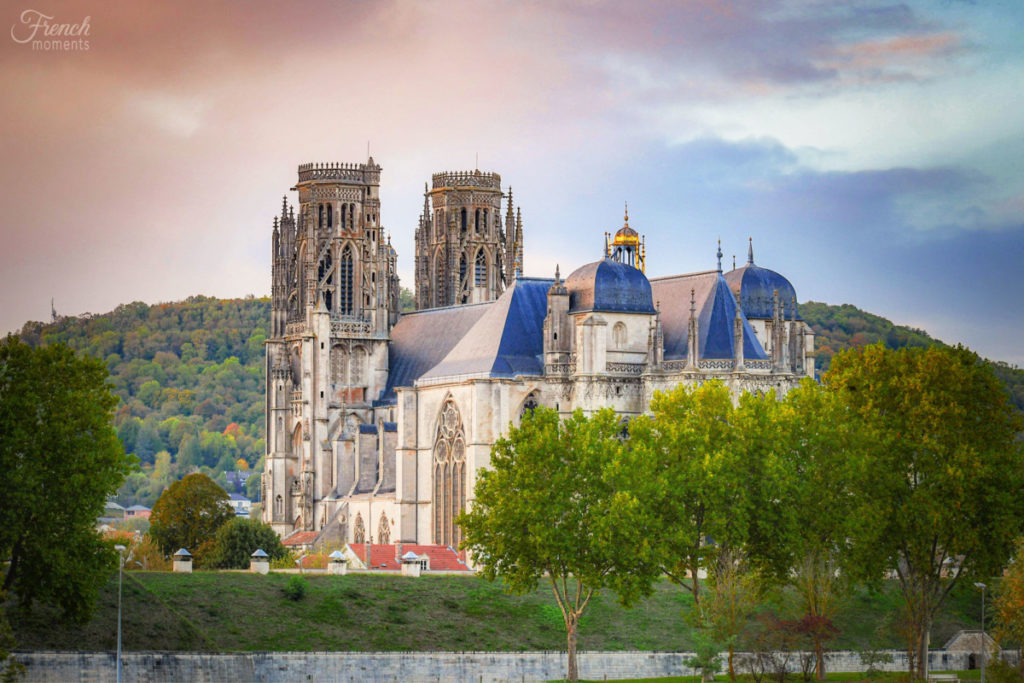
The Toulois is one of those quietly rewarding corners of Lorraine that many overseas visitors would never think to seek out — and that is precisely why it deserves attention.
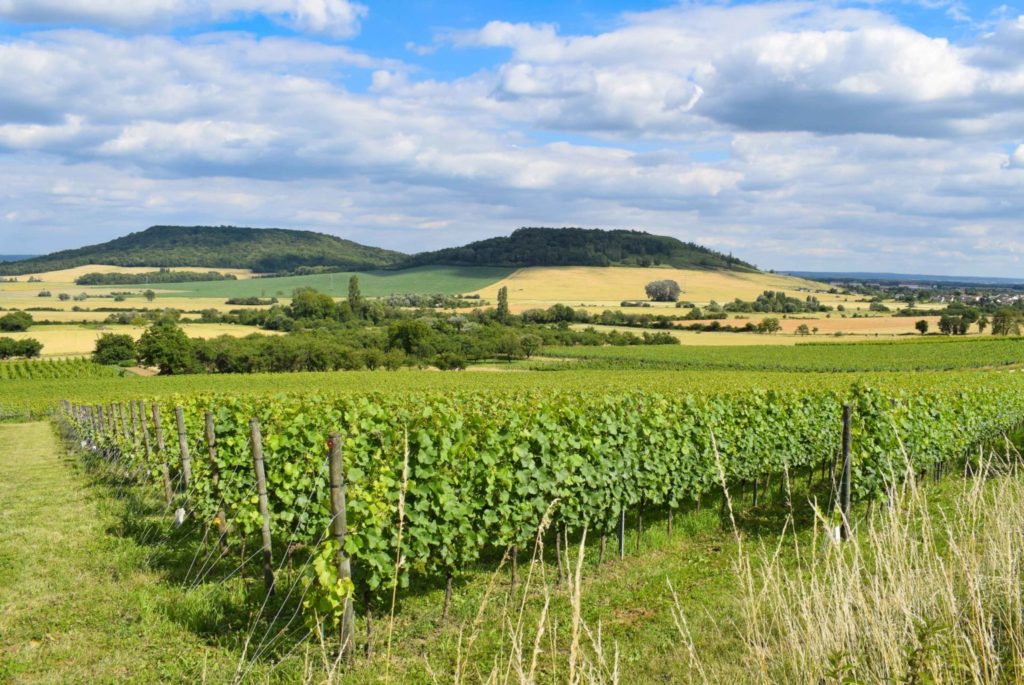
Centred around the town of Toul and its surrounding countryside, this area combines vineyard landscapes, rolling farmland and a relaxed rural atmosphere that feels deeply rooted in local life. It is not flashy. It does not perform for the visitor. Instead, it offers something more subtle: a sense of place that unfolds gently.

Among the more understated spots in Lorraine, the Toulois stands out for its balance of cultivated beauty and simplicity. The vineyards give the landscape texture and identity, while the fields, villages and softly undulating countryside create a feeling of spacious calm. There is a kind of honesty to this scenery. It feels worked, inhabited and real.
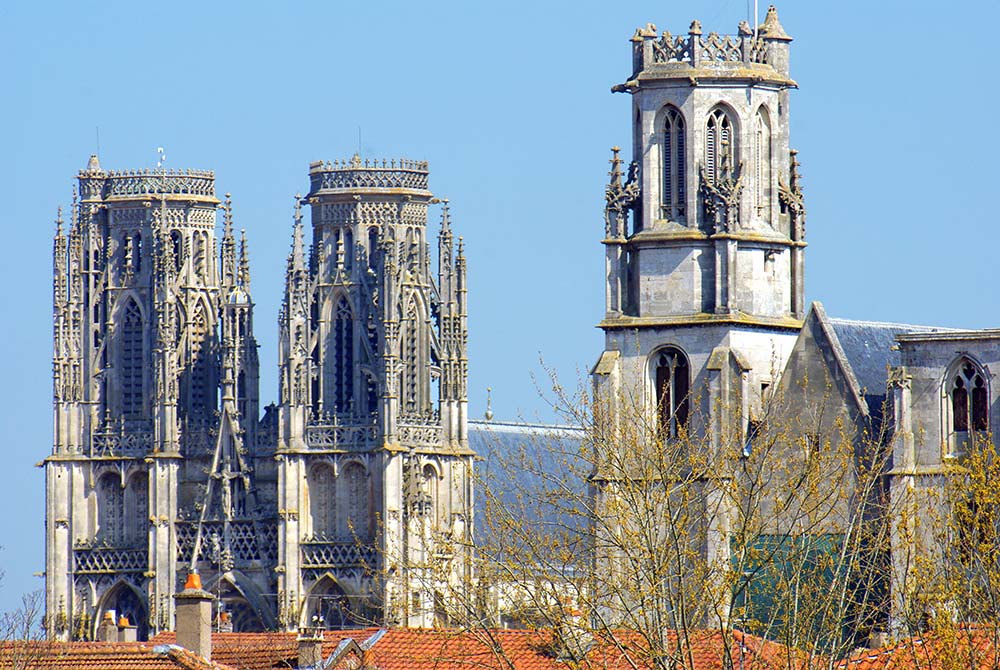
Toul itself adds further interest, with its cathedral and historic character, but it is often the surrounding landscape that lingers most vividly in the memory. This is a region for slow drives, quiet walks and moments when the beauty lies not in one single monument, but in the relationship between land, village and sky.

Travellers who enjoy wine regions but prefer places that feel less polished or crowded than famous international destinations may find the Toulois especially appealing. It offers another face of Lorraine: agricultural, graceful and deeply peaceful.
Verdun: places of memory and the cathedral

Verdun is one of the most powerful spots in Lorraine, though not in the conventional sense of beauty. It is a place where landscape and memory are inseparable.
For many visitors, Verdun is associated above all with the First World War, and rightly so. The battlefields, memorials, forts and cemeteries around the town form one of the most important remembrance landscapes in Europe.
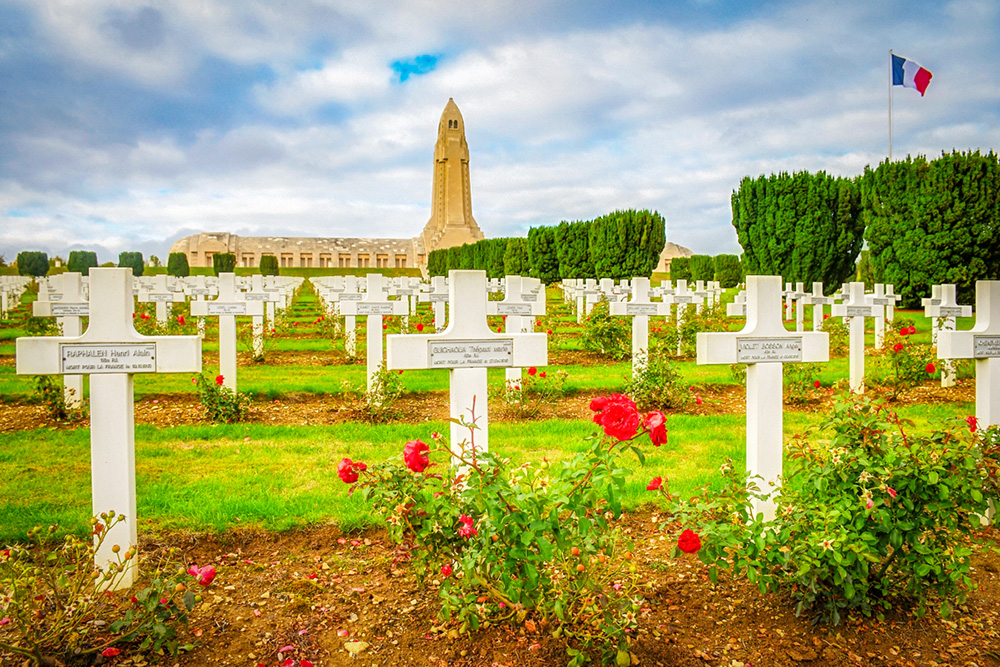
To visit Verdun is not simply to learn history. It is to encounter the physical traces of suffering, endurance and sacrifice on a scale that still feels overwhelming.
And yet Verdun is not only a place of war memory. The town itself, with its cathedral and riverside setting, offers another, quieter dimension.

The cathedral, with its long history and sober dignity, anchors Verdun in time beyond the twentieth century. It reminds the visitor that this is a place with a deeper continuity, a human settlement shaped by far more than one terrible chapter.
What makes Verdun so unforgettable is this combination of solemn remembrance and enduring presence. The surrounding sites of memory speak with extraordinary force, but the town and cathedral bring depth and perspective. Together, they make Verdun one of the most emotionally resonant spots in Lorraine.

This is not a place to rush through. It deserves time, attention and a certain inwardness. For many anglophone travellers, especially those with an interest in history, Verdun becomes one of the most meaningful experiences of a journey through France.
The Route des Crêtes in the Vosges, from the Col du Bonhomme to the Hohneck via La Schlucht
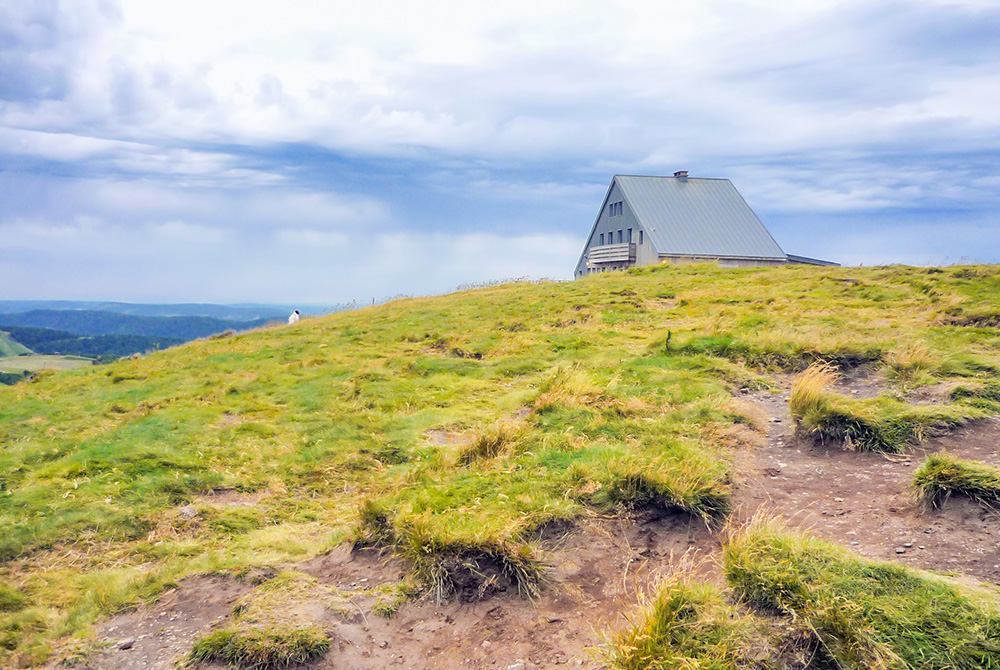
Some landscapes in Lorraine impress through quietness. Others open out with a grandeur that feels exhilarating. The Route des Crêtes in the Vosges belongs to the second kind.
Travelling from the Col du Bonhomme towards the Hohneck via La Schlucht, this high mountain road reveals one of the most spectacular panoramas in the region. Here, the scenery becomes expansive and windswept. Rounded summits, forested slopes, high pastures and dramatic viewpoints combine to create one of the finest scenic drives among all the spots in Lorraine.

What makes this route so memorable is not only what you see, but how it makes you feel. There is a sense of freedom in these heights, of distance from ordinary routines. The air seems clearer, the horizon wider, the landscape more elemental. On a good day, the views stretch far across the Vosges and beyond, offering a striking sense of scale.
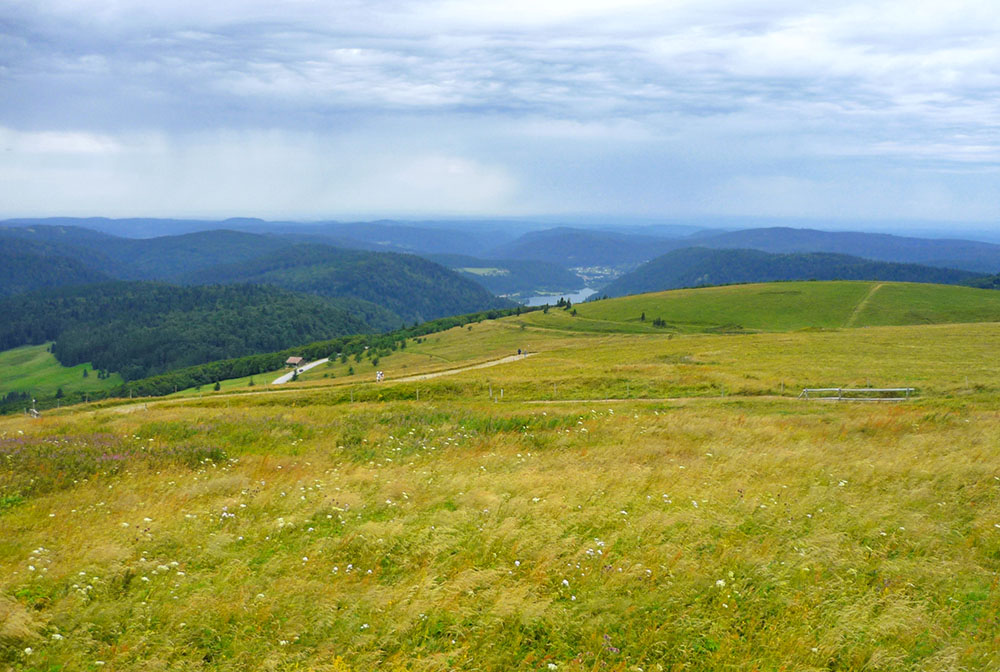
La Schlucht and the Hohneck are particularly rewarding stages along the way, combining easy access with truly impressive scenery. Walkers, photographers and lovers of mountain landscapes will all find something to treasure here.
For visitors who may think of Lorraine mainly in terms of towns, churches and history, this route is a revelation. It shows that the region can also be bold, panoramic and physically stirring. It is a reminder that Lorraine is not only to be admired in squares and monuments, but also experienced in wind, space and silence.
Conclusion: spots in Lorraine that reveal the soul of the region
One of the great pleasures of Lorraine is that it never reduces itself to a single image. It is at once elegant and rural, solemn and serene, historic and deeply alive. Its beauty can be found in stained glass and open hills, in memorial landscapes and quiet vineyards, in city squares and mountain roads.
These spots in Lorraine offer a powerful introduction to that richness. Together, they reveal a region that deserves far more attention from travellers discovering France for the first time. Some places inspire wonder immediately. Others unfold more gradually. But all of them, in different ways, leave a lasting impression.
Because I was born in Lorraine, this region has always felt familiar to me. Yet that familiarity has never made it ordinary. On the contrary, it has allowed me to see how much depth, dignity, and beauty Lorraine contains.
And when I imagine it through the eyes of visitors from Britain, America or Australia, I am reminded that what seems natural to me may feel like a revelation to them.
If you are looking for unforgettable spots in Lorraine, begin with these seven. They will show you not only the landscapes and monuments of the region, but something of its spirit too: quiet, resilient, graceful and profoundly memorable.