
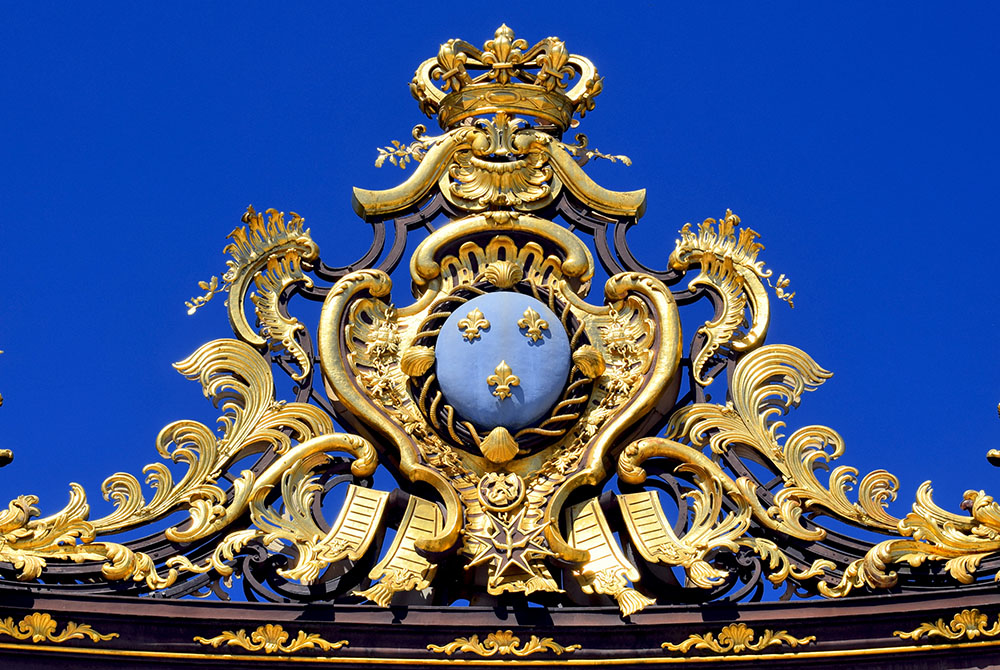

Lorraine became French in stages, not in one single moment, and that is the first thing to understand if you want to make sense of this part of French history.
For many English-speaking readers, the subject can seem confusing at first.
You may hear about Lorraine, the Duchy of Lorraine, the Duchy of Bar, the Three Bishoprics, or even Alsace-Lorraine, and assume that all these names refer to one place with one simple story.
They do not. Lorraine was a frontier land, shaped by shifting borders, rival dynasties, wars, treaties, and long political negotiations. That is precisely what makes its story so fascinating.
To put it simply, there were several “Lorraines” in historical terms.
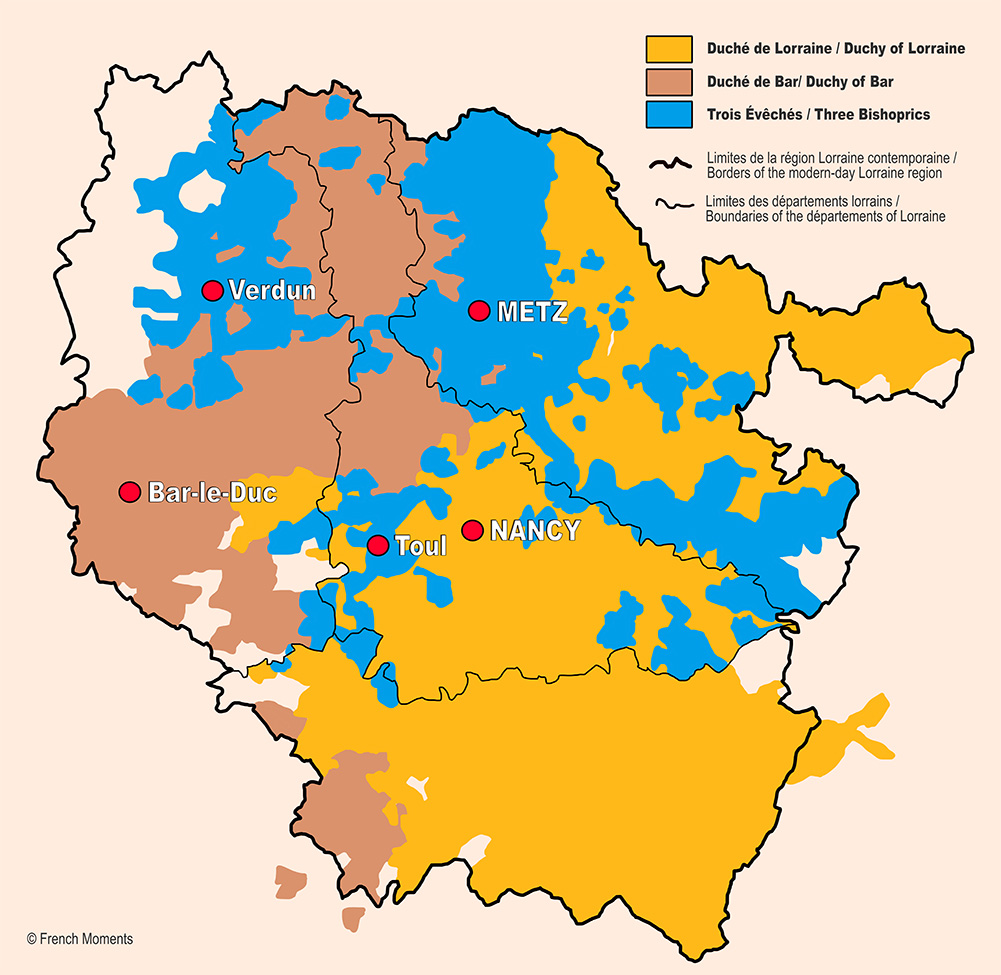
The cities of Metz, Toul, and Verdun, known as the Three Bishoprics, came under French control in 1552, and that situation was officially confirmed in 1648.
But the Duchy of Lorraine and the Duchy of Bar remained separate much longer. They had their own dukes, their own political life, and a strong sense of identity.
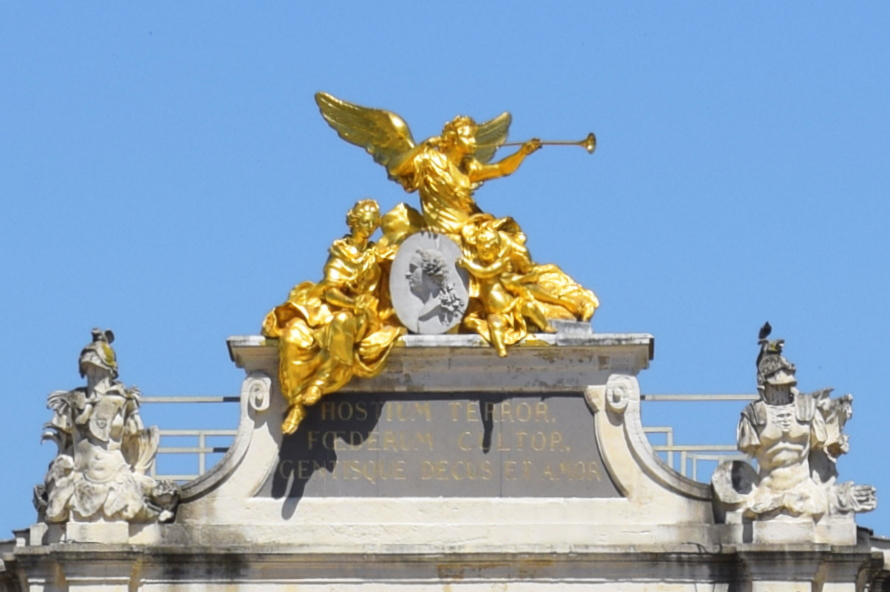
They were only definitively attached to France in 1766, after the death of Stanisław Leszczyński, the former King of Poland and the last sovereign duke of Lorraine.
So when did Lorraine become French? The honest answer is: it depends which Lorraine you mean.
Why Lorraine Became French in More Than One Stage
One of the biggest mistakes a modern reader can make is to imagine Lorraine as a single, neat territory that France swallowed all at once.
In reality, eastern France was once a patchwork of lands with different rulers, different laws, and different loyalties.
Some areas belonged to bishops, some to dukes, some were tied to the Holy Roman Empire, and others were already drifting into the French orbit.
That is why the story has to be told in layers.
The first layer concerns the Three Bishoprics. The second concerns ducal Lorraine and Bar.
They are connected, of course, but they are not the same thing. Once you understand that distinction, the whole story becomes much easier to follow.
This also explains why the phrase “Lorraine became French” needs a little unpacking.
In one sense, part of Lorraine came under French control as early as the sixteenth century. In another sense, the independent duchies survived until the eighteenth century. Both statements are true.
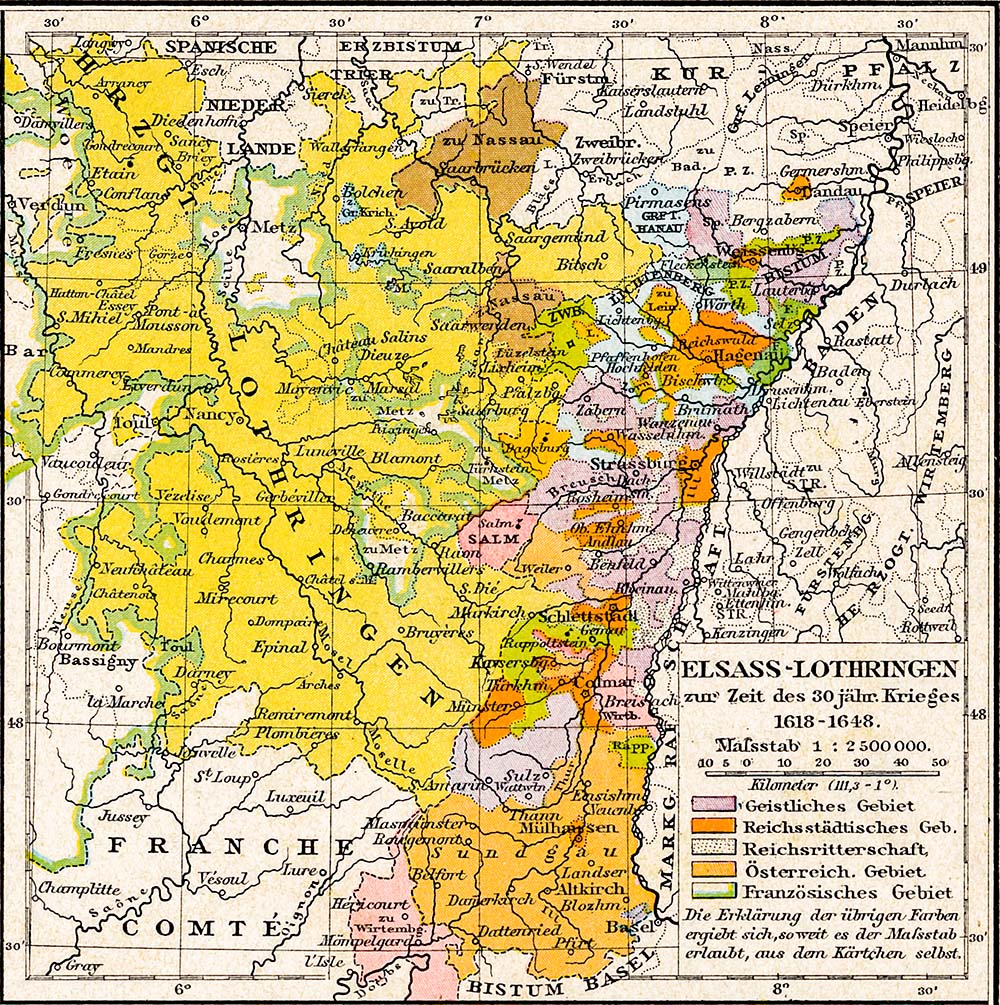
How Lorraine Became French First Through Metz, Toul, and Verdun
The first major step came in 1552.
At that time, France was ruled by King Henry II, and the long rivalry between the French crown and the powerful Habsburg dynasty dominated Europe.
The Habsburgs controlled vast territories, and the French kings were always looking for ways to weaken them.
That is where Metz, Toul, and Verdun entered the story. These were important episcopal cities, each ruled by a bishop and tied, in theory, to the Holy Roman Empire.
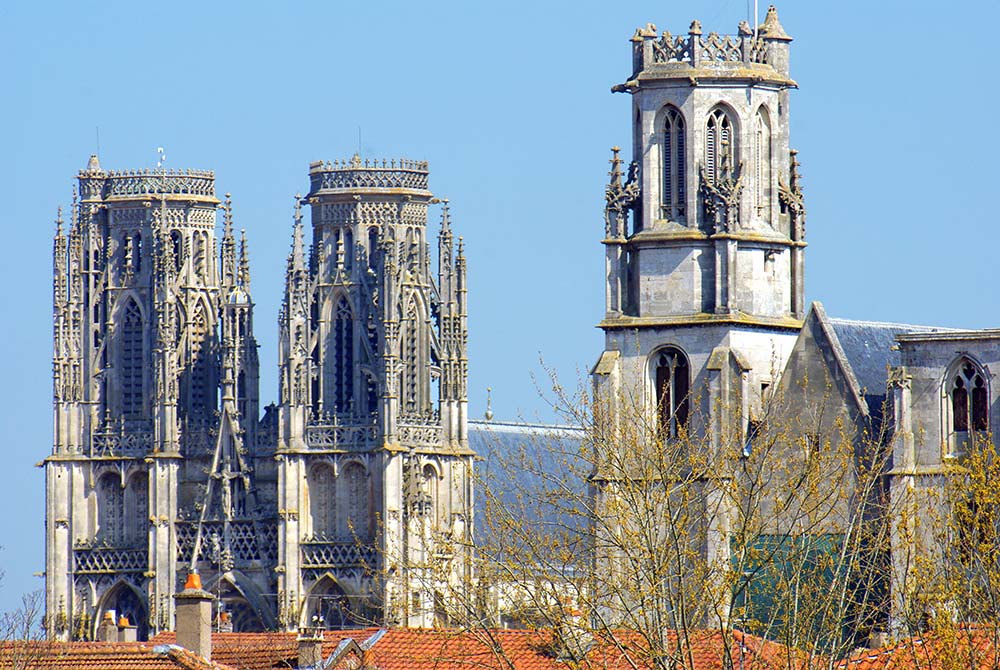
In 1552, Henry II took control of them. This did not yet mean that they had become fully and peacefully French in the modern sense. It was more of a strategic takeover, linked to the wider struggle for influence in Europe.
For a reader unfamiliar with French history, it helps to imagine this not as a neat border change on a map, but as a move in a great political chess game.
Control of these cities gave France a stronger position on its eastern frontier. They were valuable, well-placed, and symbolically important.
Why Lorraine Became French in 1552 Only in Part
This is where the story becomes more subtle. French control began in 1552, but legal and political realities moved more slowly.
France occupied the Three Bishoprics and placed them under its protection, yet full international recognition did not come immediately.
That may sound strange to a modern reader, but it was common in early modern Europe. A ruler could control a territory in practice long before everyone agreed, on paper, that the territory had changed hands. In other words, power on the ground and legal recognition were not always the same thing.
So if someone asks whether Lorraine became French in 1552, the answer is both yes and no.
Yes, because France took real control of Metz, Toul, and Verdun.
No, because the wider legal settlement came later. That is why 1552 is a beginning, not the whole story.
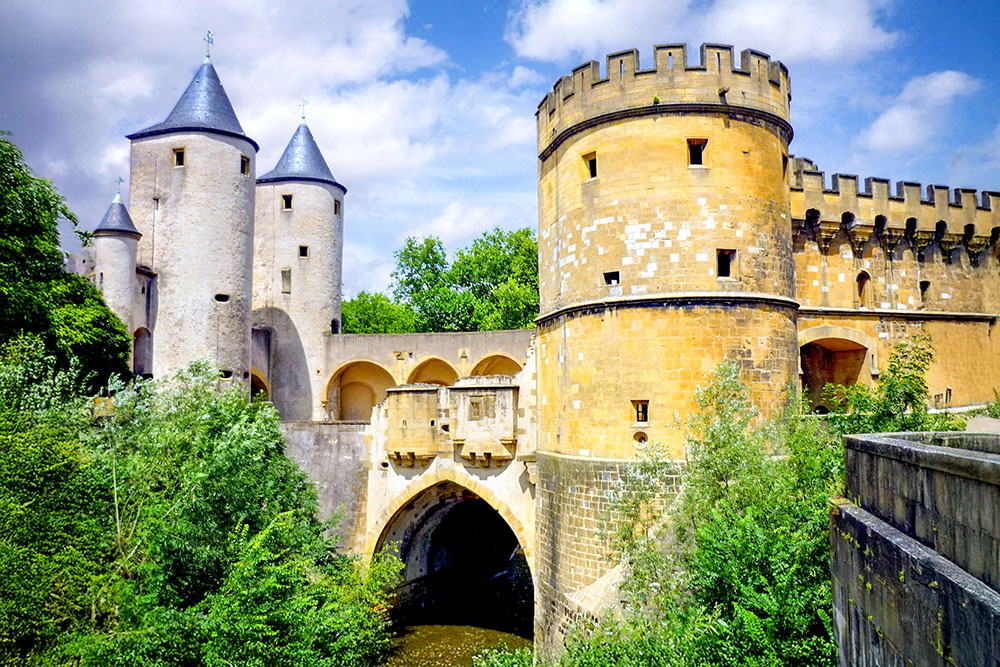
How Lorraine Became French More Officially in 1648
The next key date is 1648, the year of the Peace of Westphalia. These treaties are famous in European history because they helped bring the devastating Thirty Years’ War to an end.
For our subject, they matter because they officially confirmed French possession of the Three Bishoprics.
This is the moment when the French hold over Metz, Toul, and Verdun gained full diplomatic recognition. The cities were then organised as the province of the Three Bishoprics, with Metz as the administrative centre.

So by the mid-seventeenth century, one part of the Lorraine story had already moved decisively into the French world.
But that still did not mean that the Duchy of Lorraine and the Duchy of Bar had become French. Those territories followed a different path, and a much longer one.
Why Lorraine Became French Much Later in the Duchies
If the Three Bishoprics were one story, the duchies were another altogether.
The Duchy of Lorraine and the Duchy of Bar remained under their own rulers for much longer.
They were independent states in a very vulnerable position, caught between the kingdom of France and the Holy Roman Empire. Their location made them strategically important, and France watched them closely.
This part of the story is essential because many readers assume that once France took Metz, Toul, and Verdun, the whole region was settled.
It was not. The duchies still existed. They still had dukes. They still had their own political identity. And the people of Lorraine remained strongly attached to their ruling house.
That attachment matters. Lorraine was not an empty space waiting to be absorbed. It had its own traditions, loyalties, and memory. This is one reason the final annexation would later be handled with such care.
How Lorraine Became French After Repeated French Occupations
Before Lorraine was finally attached to France, it went through several French occupations. This is another point that deserves to be simplified for modern readers: occupation is not the same as annexation.
French troops occupied the duchies more than once between the seventeenth and early eighteenth centuries.
There were moments when France seemed close to securing permanent control, and other moments when Lorraine recovered its independence. The story moved back and forth.
In 1641, for example, Louis XIII restored Lorraine to Charles IV, but war soon resumed, and the French occupied the country again. The fortress of La Mothe, which fell in 1645, became a symbol of Lorraine resistance.
Later, after the Treaty of Vincennes in 1661, the duchy regained its independence once more. But in 1670, France occupied it again.
This repeated pattern shows just how unstable the borderland was. France wanted influence and security. Lorraine wanted to preserve its independence. Neither side could fully settle the matter for a long time.
How Lorraine Became French Only After Lorraine Was Rebuilt Again
The story could easily sound bleak at this point, but there was also a remarkable recovery.
After the Treaty of Ryswick in 1697, the duchy was restored to Leopold of Lorraine. His return was greeted with enthusiasm, and for good reason.
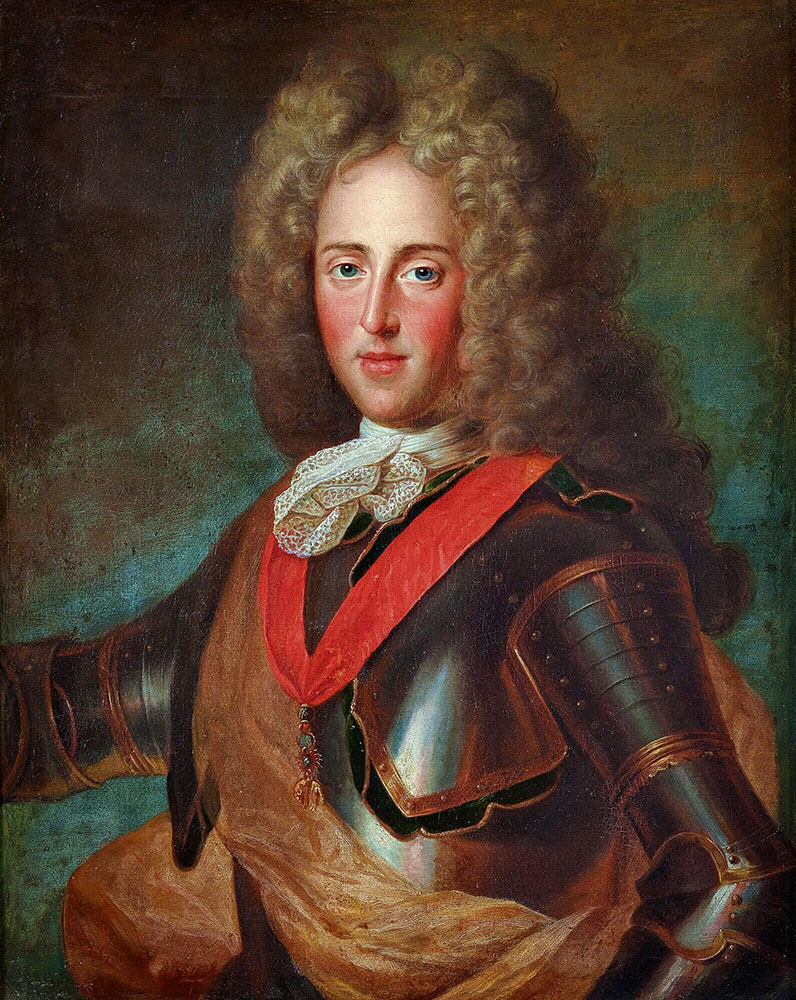
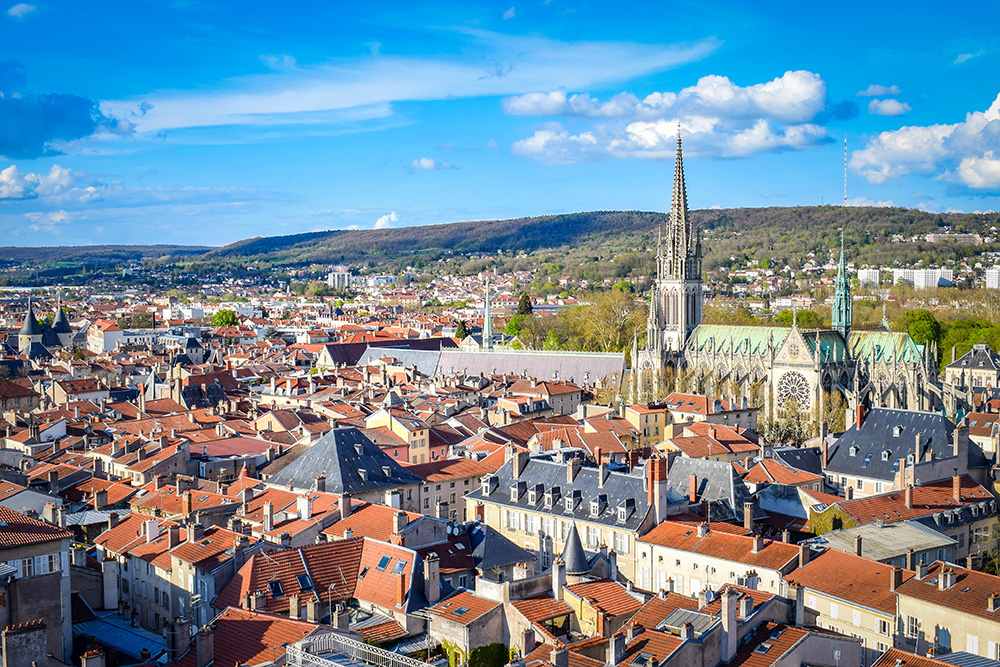
After years of occupation, destruction, and uncertainty, Leopold worked to rebuild his states. He encouraged repopulation, revived agriculture, supported trade, and helped restore urban life in places such as Nancy and Lunéville.
This matters because it reminds us that independent Lorraine was still alive and viable at the end of the seventeenth century.
It was not merely surviving; it was recovering.
Leopold became associated with peace and prosperity, and later writers praised him warmly for the good he did for his people.
For an English-speaking reader, this is an important part of the emotional landscape. The duchy was not simply a political object in the hands of great powers. It was also a homeland that many people wanted to protect, restore, and improve.
Why Lorraine Became French Through Diplomacy, Not Just War
The final turning point came not through a dramatic conquest, but through dynastic politics and international diplomacy.
Leopold’s son, Francis Stephen — known in French history as François III — succeeded him in 1729.
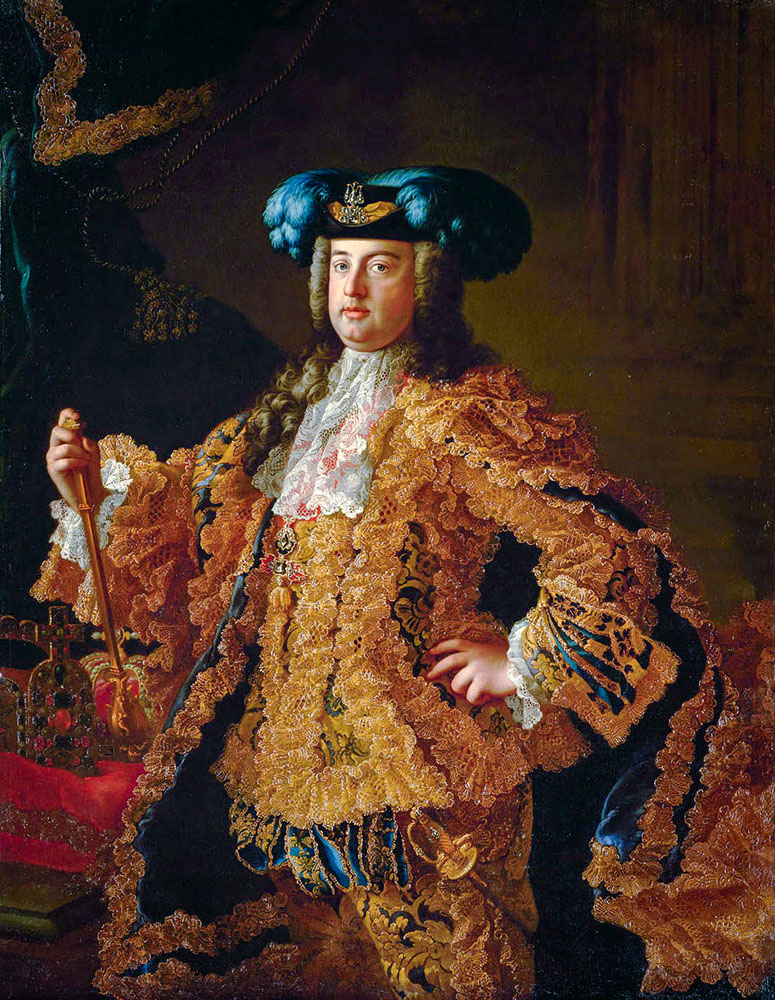
Lorraine’s economy was still doing well, and the duchy remained strategically sensitive for France.
Then came the decisive development: Francis Stephen was set to marry Maria Theresa of Austria, heiress of the Habsburg lands.
For France, this was unacceptable. By that point, Alsace and Franche-Comté had already been drawn into the French kingdom.
If Lorraine and Bar were now passed under direct Habsburg control, France would find a foreign power holding what looked almost like an enclave within or alongside French territory. Louis XV and his ministers refused to accept that outcome.
So the problem was solved diplomatically. Francis Stephen agreed to renounce Lorraine in exchange for Tuscany, while France accepted the broader European settlement linked to Maria Theresa’s inheritance.
This arrangement formed part of the diplomatic consequences of the War of the Polish Succession.
In other words, Lorraine became French not only because France was powerful, but because European dynastic politics made a compromise possible.
How Lorraine Became French Under Stanisław Leszczyński
(Here, the story meets the one I have already explored in my article on Stanisław Leszczyński.)
To avoid offending Lorraine’s attachment to its own dynasty, and also to give rank and income to his father-in-law, Louis XV did not annex the duchies immediately.
Instead, he granted them for life to Stanisław Leszczyński, the former King of Poland, who became duke of Lorraine and Bar in 1737.
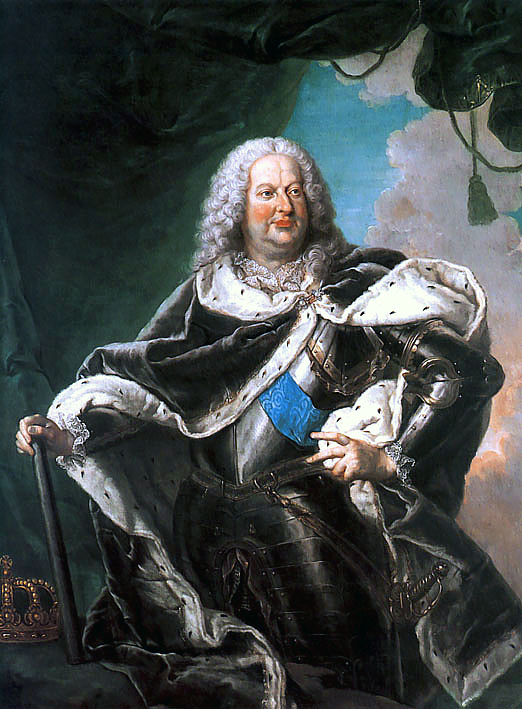
This was an elegant political solution. On the surface, Lorraine still had a sovereign ruler. In reality, however, the future was already decided.
Stanisław accepted a system in which real administrative power was exercised by a French-appointed chancellor, La Galaizière, who gradually prepared the duchies for integration into the French kingdom.
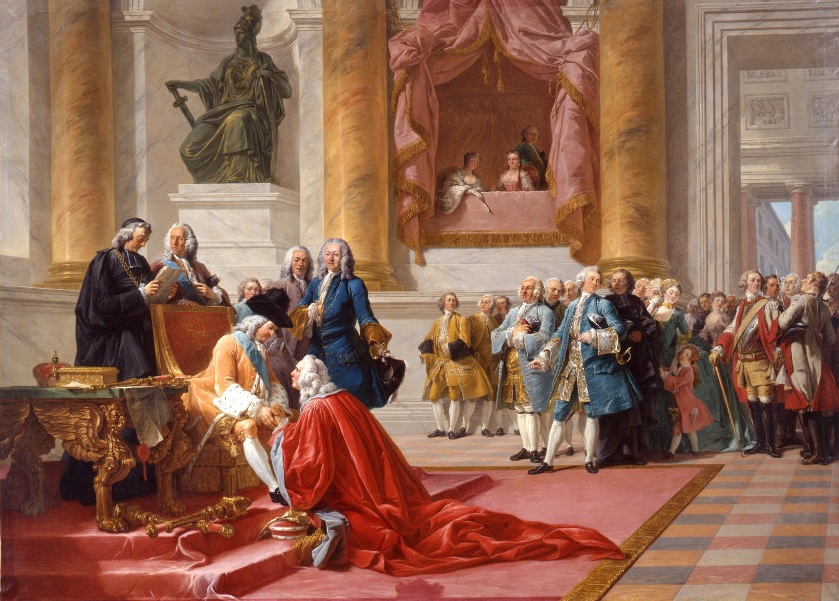
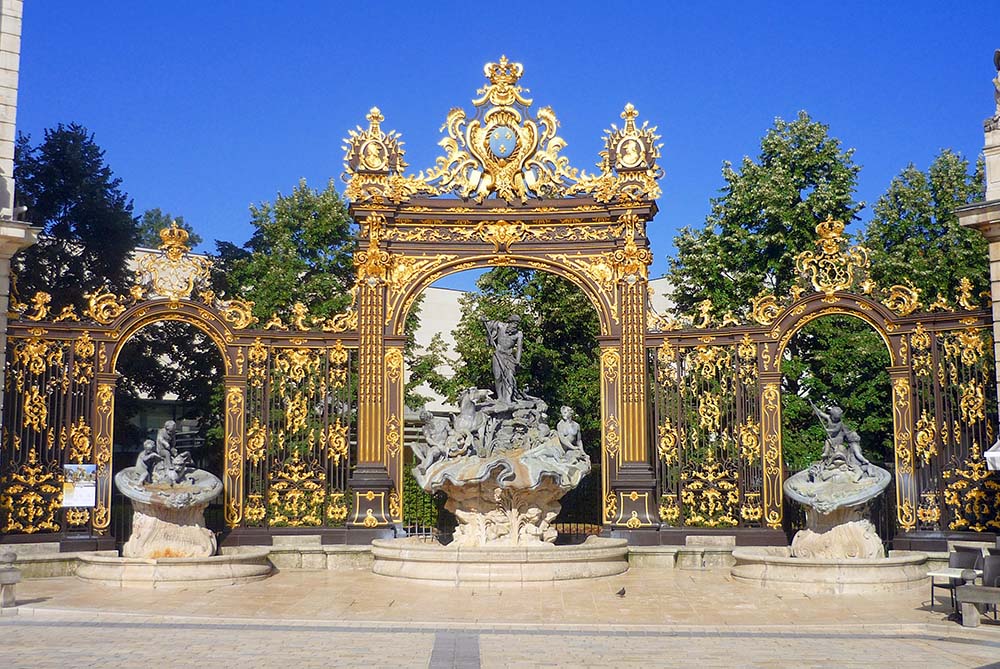
That makes Stanisław’s period in Lorraine especially interesting. He was genuinely important as a ruler, patron, and benefactor. He helped shape the cultural brilliance of Nancy and Lunéville.
But politically, his reign was also a transition period. Lorraine still looked independent, yet it was already moving steadily into the French system.
How Lorraine Became French Before 1766 in Everyday Practice
This is another point that many readers miss. Lorraine became French in practice before it became fully French in law.
During Stanisław’s reign, the duchies were increasingly aligned with France.
French laws, taxes, and administrative habits spread into the territory. French troops were stationed there. Financial burdens increased. Local institutions were reshaped.
From the outside, Lorraine still had its own ruler. From the inside, the French monarchy was already tightening its grip.
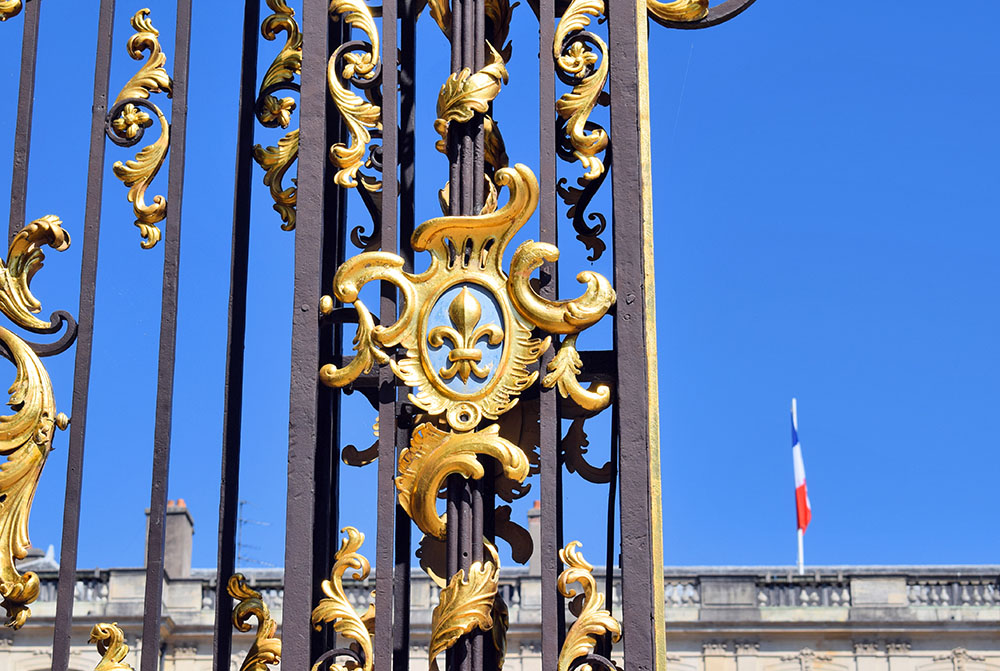
Not everyone welcomed this change. Many Lorrainers remained attached to their former ducal house and regretted the loss of independence.
New taxes and military demands caused resentment, especially in times of war. So the transition was not simply a graceful diplomatic success. It also involved tension, pressure, and disappointment.
That is why the phrase “Lorraine became French” should never sound too soft or too tidy. The process was smoother than a brutal conquest, perhaps, but it was still a transfer of power shaped by unequal strength.
How Lorraine Became French Definitively in 1766
The final decisive date is 1766.
Stanisław Leszczyński died in February of that year after a tragic domestic accident. With his death, the arrangement made decades earlier came into full effect.

The Duchy of Lorraine and the Duchy of Bar were definitively attached to the kingdom of France and reorganised within the French administrative system.
That is the key date for ducal Lorraine. If you are speaking specifically about the independent duchies, then 1766 is the answer to the question.
And yet, as we have seen, it is not the answer to the whole story. Part of the region had already come under French control much earlier. So once again, the real answer depends on which Lorraine you mean.
Lorraine Became French: The Dates to Remember
By this point, the reader may want a clear summary, and it is worth giving one.
If you want to remember the story in the simplest possible way, keep these four dates in mind:
1552: France takes control of Metz, Toul, and Verdun.
1648: French possession of the Three Bishoprics is officially confirmed.
1737: Stanisław Leszczyński becomes duke of Lorraine and Bar for life, while France prepares the final transition.
1766: the Duchy of Lorraine and the Duchy of Bar are definitively attached to France.
That is the cleanest way to explain how Lorraine became French without oversimplifying the subject.
Why the Story of How Lorraine Became French Still Matters
This history still matters because it helps explain the identity of eastern France.
Lorraine was not simply “always French,” nor was it attached in one easy stroke. It was a borderland where languages, loyalties, and political traditions overlapped.
Its history was shaped by bishops, dukes, kings, emperors, soldiers, diplomats, and marriages between ruling families.
Understanding how Lorraine became French also changes the way you look at its cities.
Metz, Toul, and Verdun tell one story.
Nancy, Lunéville, and the old ducal lands tell another.
Together, they reveal a region that entered France by different roads and at different times.
That, perhaps, is the most fascinating part of all. Lorraine did not become French through one dramatic event that erased everything before it.
It became French through a long historical layering process — part military, part legal, part diplomatic, part dynastic. And because of that, the region still carries traces of those different pasts today.
In the end, the question is not simply when Lorraine became French. The more interesting question is how. That long, layered answer is part of what makes Lorraine such a rich and remarkable corner of European history.
But Lorraine had not finished with the upheavals of history just yet. From 1870 onwards, the region would once again be divided, caught between rival powers and competing identities. But that is another story.