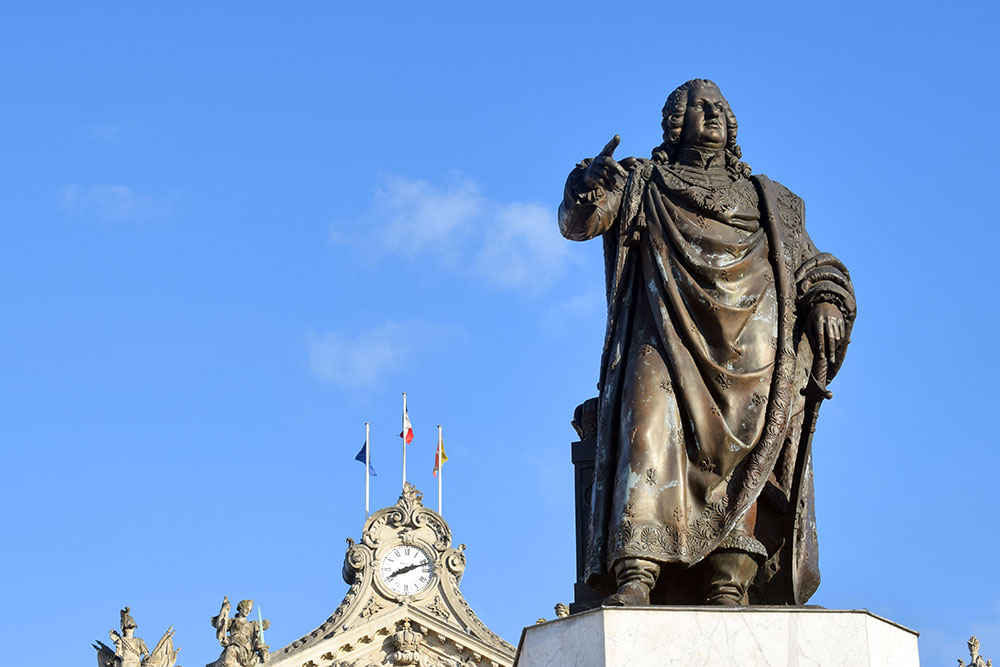

Stanisław Leszczyński is one of those rare historical figures whose life feels almost too dramatic to be true: a Polish nobleman, twice elected king of Poland, an exile in Alsace, the father-in-law of Louis XV, the ruler of Lorraine, a patron of the arts, a philosopher, and, in the end, the man whose death brought the duchies of Lorraine and Bar into the kingdom of France.
Born in 1677 in Lwów and dead in 1766 at Lunéville, he spent decades moving between political glory and personal uncertainty, yet it was in France that he left his most visible and enduring mark.
Many visitors to Nancy recognise his name long before they understand his story.
They admire Place Stanislas, stroll through the elegant streets of Lorraine, or hear of Lunéville and its courtly past, without quite realising that Stanisław Leszczyński was not French at all.
He was Polish by birth, European by culture, and, in many ways, transformed by exile.
That is part of what makes him so fascinating for an Anglophone reader today: his life connects Poland, France, royal diplomacy, Enlightenment culture, architecture, food, and one major turning point in French history.
Stanisław Leszczyński Before the Crown: A Nobleman Educated for Europe
Stanisław Leszczyński was born into one of the great aristocratic families of the Polish-Lithuanian Commonwealth.
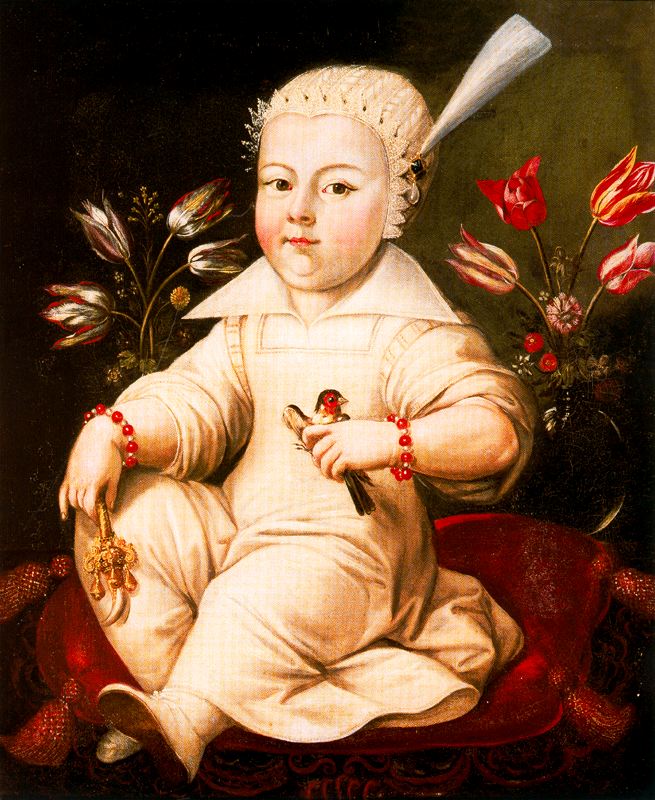
He did not grow up as a marginal figure waiting for luck to rescue him. On the contrary, he received the kind of polished education expected of a major nobleman of his time.
He was trained in literature and science, knew several languages, including French, German, Italian and Latin, and completed a long journey across Europe.
Even before politics threw his life into chaos, he already belonged to that refined, mobile, cosmopolitan world of the European elite.
That detail matters. Stanisław Leszczyński was never simply a provincial ruler carried by chance into history.
He had the manners, education and cultural curiosity that later made him feel strangely at home in France.
For a modern reader, this helps explain why his later life in places such as Wissembourg, Chambord, Nancy and Lunéville feels so coherent.
Exile changed his fate, certainly, but it did not create the cultivated man he became famous for. That foundation was already there.
Stanisław Leszczyński and the Fragile Crown of Poland
Eighteenth-century Poland was not an easy kingdom to rule.
The monarchy was elective, foreign powers constantly interfered in its politics, and neighbouring states watched every succession with sharp interest.
In that unstable setting, Stanisław Leszczyński was elected king of Poland in 1704 under Swedish influence during the Great Northern War.
He was crowned in 1705, but his authority depended heavily on the fortunes of Charles XII of Sweden.
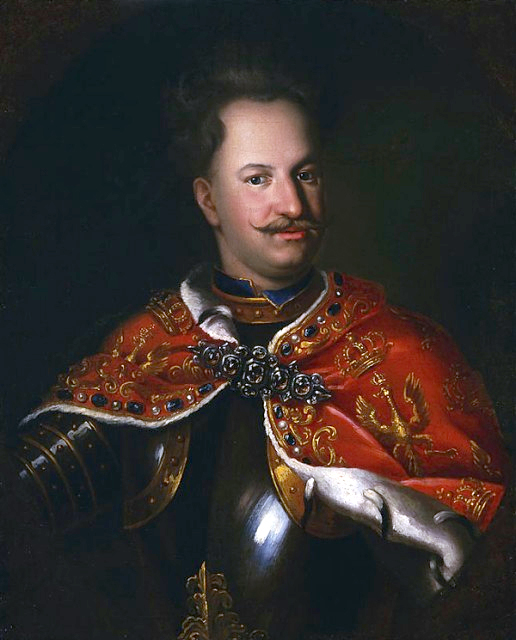
When the Swedish position collapsed after the Battle of Poltava in 1709, Stanisław’s power vanished with it.
There is something almost tragic in that first reign.
He wore a crown, but the crown rested on very uncertain ground. He was not the kind of monarch who inherited a stable throne and ruled from the safety of old institutions.
He ruled because Europe’s great powers allowed him to rule, and when those calculations shifted, he fell.
For readers who love history with a human dimension, this is where Stanisław Leszczyński stops being just another king and starts becoming a compelling character.
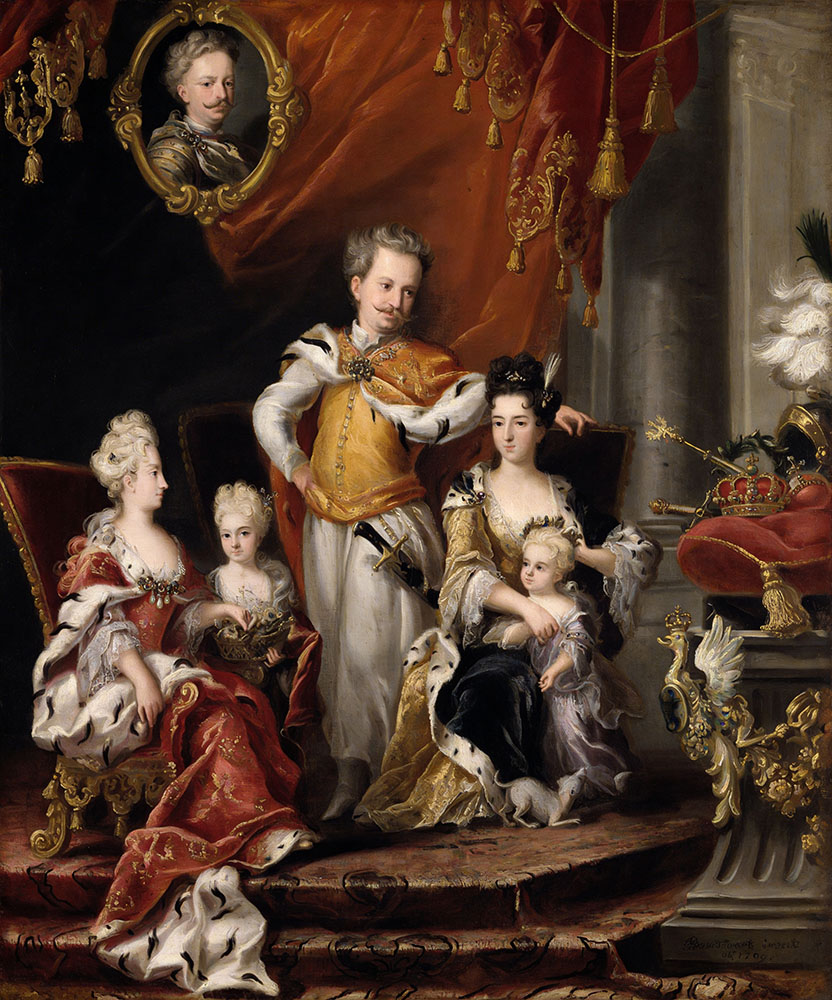
Stanisław Leszczyński in Exile: Survival, Danger, and a New Chapter Near France
After losing his throne, Stanisław Leszczyński entered the long and difficult world of exile.
He retained the royal title, but that was not the same as retaining power.
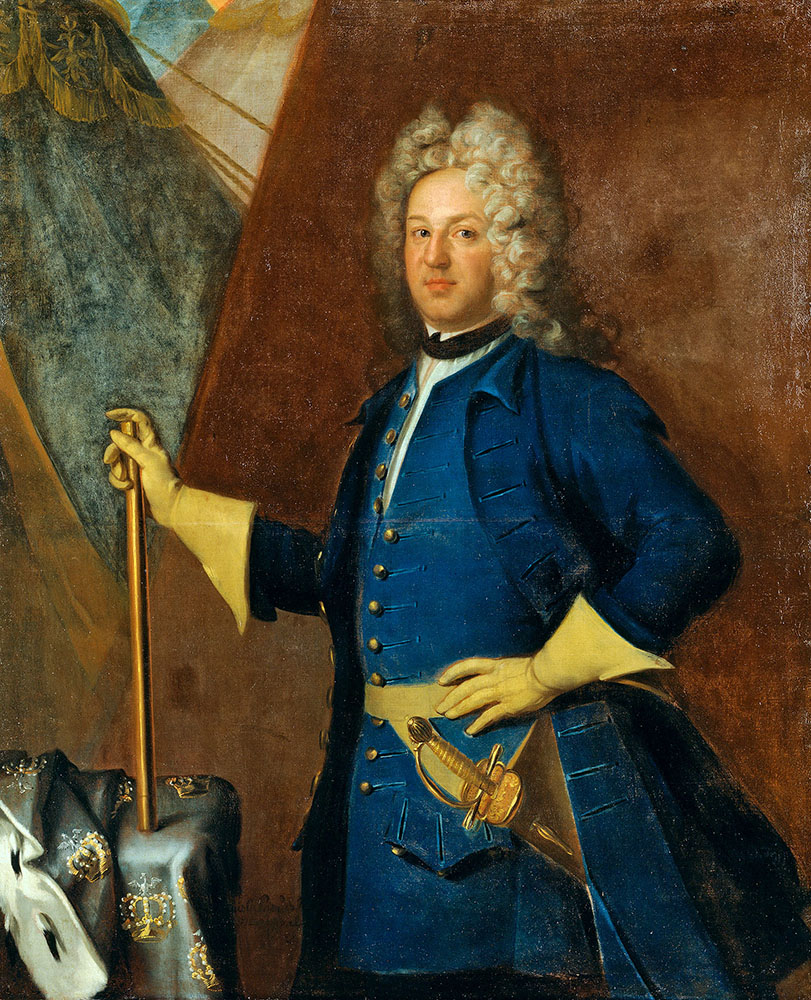
His life became one of movement, dependence and survival. The English Wikipedia page even notes that in 1716 an assassination attempt was made against him by a Saxon officer, and that he survived thanks to Stanisław Poniatowski. That alone gives a vivid sense of the atmosphere surrounding his fall.
The real French chapter of his story began after the death of Charles XII.
Stanisław and his family found refuge at Wissembourg in Alsace, where they lived on a modest pension.
It is a striking image: a former king, once crowned in splendour, now settled in a corner of eastern France, not as a conqueror or honoured sovereign, but as an exile trying to maintain dignity.
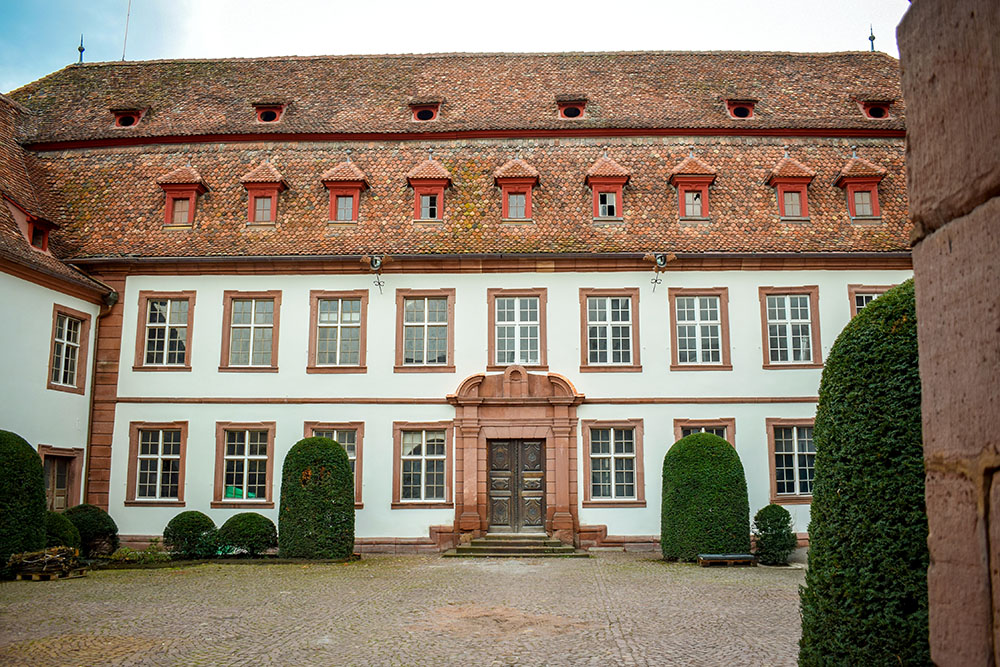
They first stayed at the commandery, then at the Hôtel Jaeger, now known as the Palais Stanislas.
And yet history was quietly preparing one of its most astonishing reversals.
Stanisław Leszczyński, Louis XV, and the Astonishing Marriage That Changed Everything
It was at Wissembourg that Stanisław Leszczyński learned the news that transformed his fortunes: his daughter Maria had been chosen to marry the young Louis XV of France.
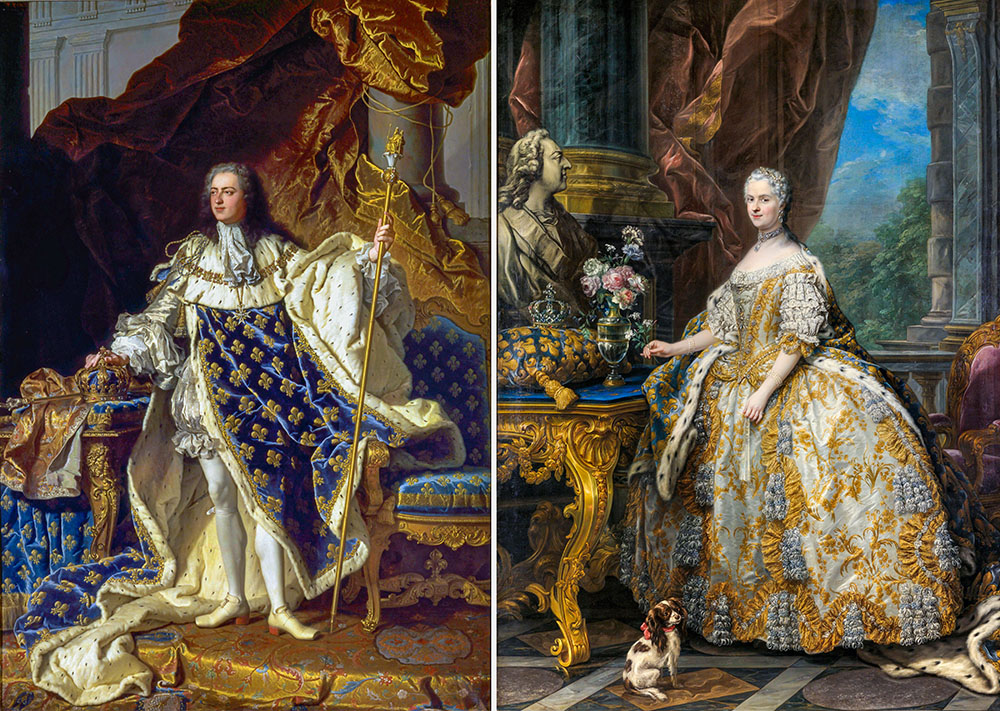
The French Wikipedia page calls it a “stupéfiante nouvelle,” and rightly so.
This was not an obvious match. The family was royal, yes, but politically weakened, and many at the French court saw the marriage as a mésalliance.
Still, the union went ahead.
In August 1725, the marriage was celebrated by proxy in Strasbourg Cathedral, under the authority of Cardinal de Rohan.
For Stanisław Leszczyński, this was the sort of reversal novelists dream of.
One moment, he was a dethroned king living quietly in Alsace; the next, he was the father-in-law of the King of France.
That connection alone would have guaranteed him a place in history. But it also gave him a new home.
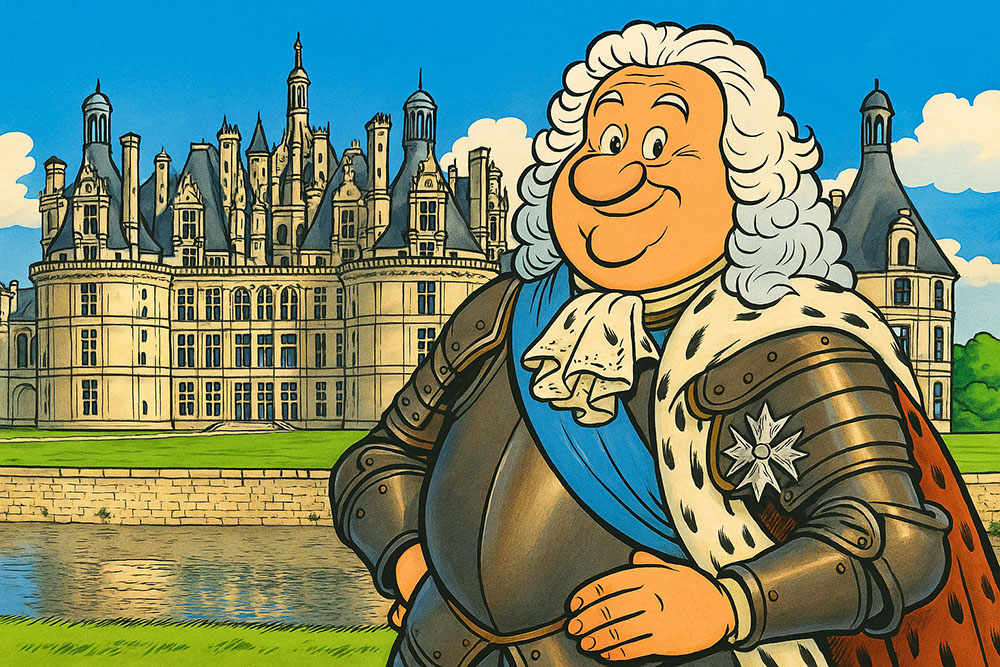
After Maria’s marriage, Stanisław was installed at the Château de Chambord, where he lived from 1725 to 1733.
It is difficult not to smile at the symbolism: from modest exile in Wissembourg to one of the grandest châteaux in France.
For an anglophone francophile reader, this is one of the most delicious parts of the story.
Stanisław Leszczyński is not just linked to France in a vague diplomatic sense.
He is woven directly into the Bourbon monarchy, into royal ceremony at Strasbourg, and into the setting of Chambord itself.
Stanisław Leszczyński’s Second Bid for Poland: A King in Disguise
In 1733, after the death of Augustus II, Stanisław Leszczyński attempted to recover the Polish throne.
Louis XV supported his claim, which led directly to the War of the Polish Succession.
One of the most memorable anecdotes is that Stanisław arrived in Warsaw on 11 September 1733 after travelling across central Europe disguised as a coachman.
It is the kind of episode that belongs in a historical film: an ageing claimant to the throne, moving day and night in disguise, hoping once more to seize destiny.
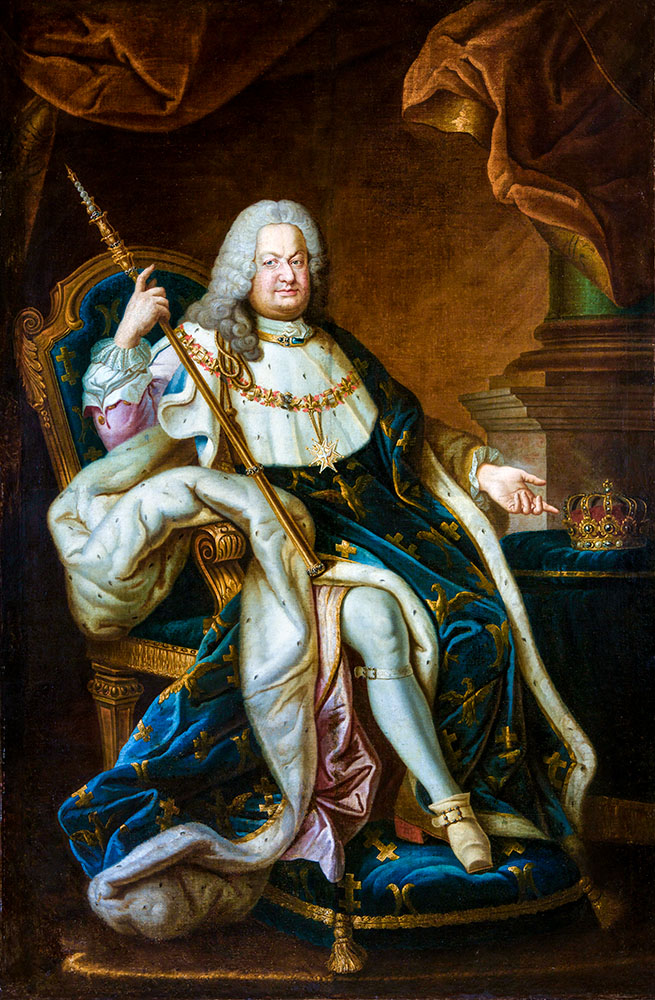
He was duly elected king for a second time. But once again, larger forces crushed his hopes.
Russia opposed his election, backed another candidate, and military pressure quickly turned his restoration into another failure.
This second rise and fall confirms a truth that runs through his whole life: Stanisław Leszczyński could be elevated by European politics, but he could never fully master them.
He was always brilliant, often admired, sometimes fortunate, but rarely secure.
Stanisław Leszczyński Becomes Duke of Lorraine and Bar
If he could not keep Poland, Europe found another role for him.
The diplomatic settlement that followed the War of the Polish Succession gave Stanisław Leszczyński the duchies of Lorraine and Bar.
The arrangement was both generous and strategic.
He would rule there, but with reduced political powers, and, crucially, at his death, the duchies would pass to the French crown.
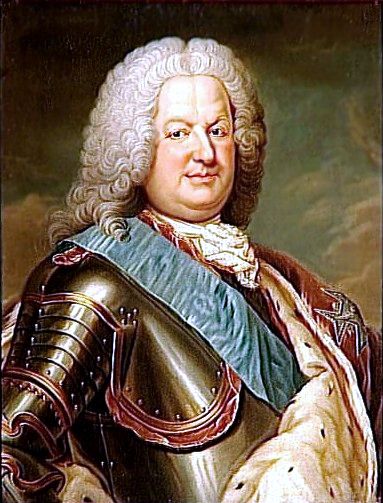
The principle had been established in the preliminaries to the Treaty of Vienna, and Stanisław himself swore loyalty in a framework that plainly prepared France as successor.
This is the key historical point your readers need to understand. Stanisław Leszczyński did not merely happen to live in Lorraine.
His presence there was part of a major European settlement, and his death would complete the absorption of Lorraine and Bar into France.
In other words, he stands at the hinge between independent ducal Lorraine and French Lorraine.
That alone makes him a central figure in the story of eastern France.
Yet what is so appealing about him is that, deprived of much direct political control, he did not simply fade into ceremonial irrelevance. Instead, he turned to culture, architecture, philanthropy and ideas.
Stanisław Leszczyński in Nancy and Lunéville: The Duke Who Built a Legacy
Once in Lorraine, Stanisław Leszczyński took possession of his duchies in 1737, though real administrative power lay largely with the royal chancellor appointed by France.
Freed, or perhaps deprived, of the heavier business of government, he invested himself in the arts, urbanism and social initiatives. This proved to be his true second life.
His greatest architectural legacy is in Nancy.
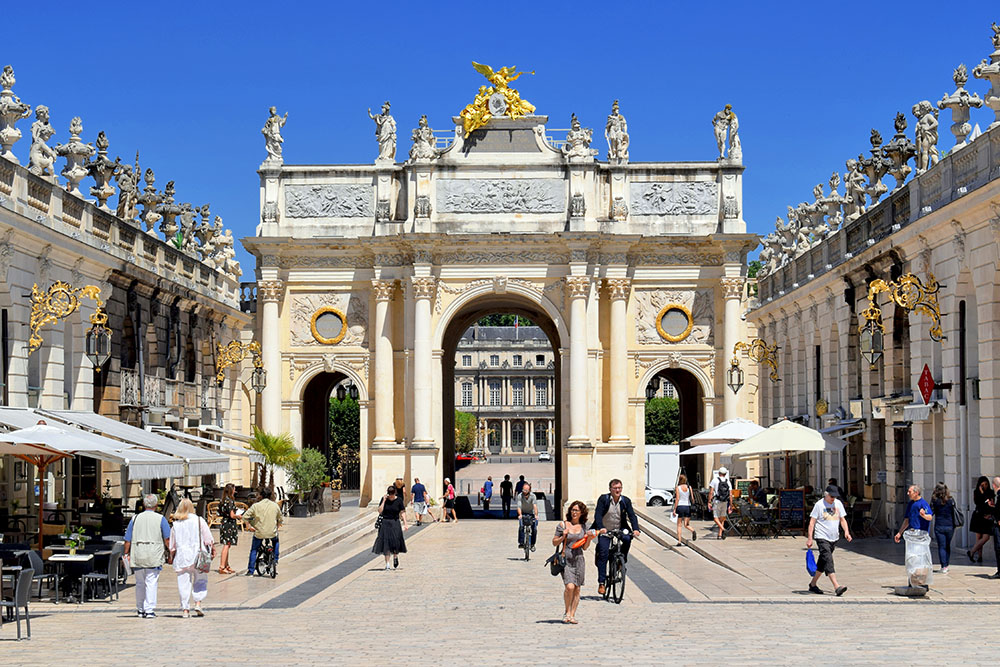
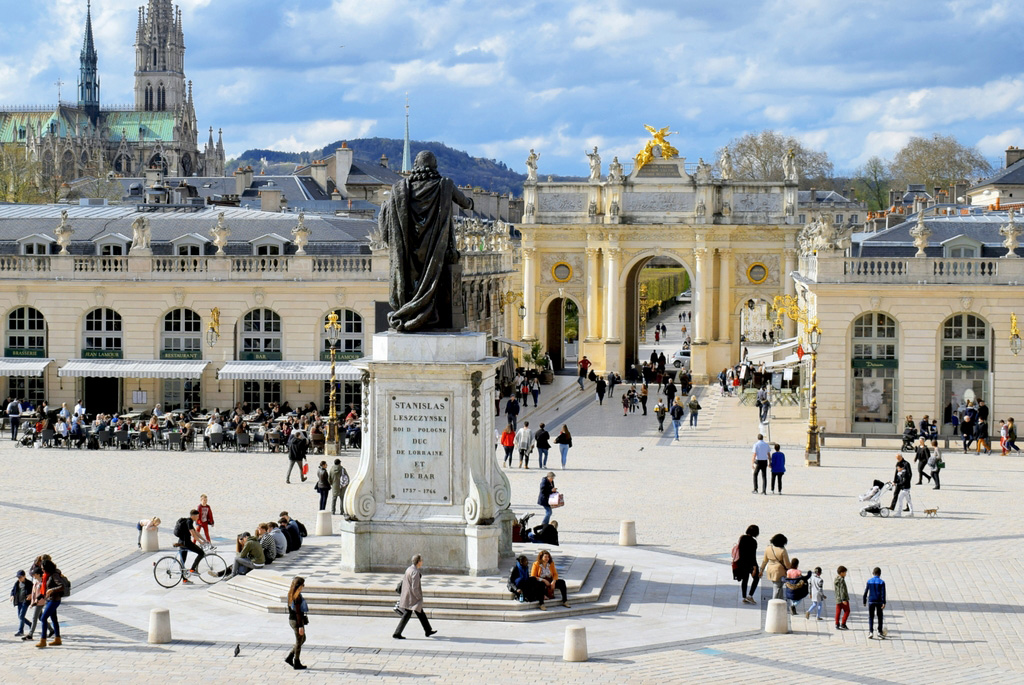
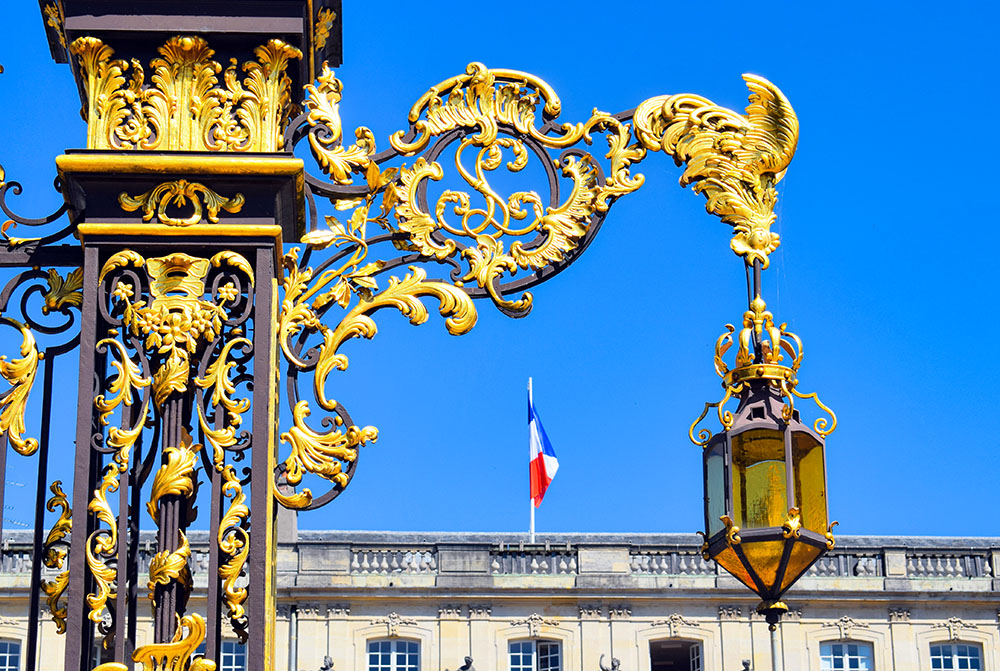
The Place Royale, now Place Stanislas, was the centrepiece of an urban programme designed to unite the old and new town through a sequence of three squares: Place d’Alliance, Place de la Carrière, and the royal square itself, built in honour of his son-in-law Louis XV.

Begun in 1752 by Emmanuel Héré and framed by the famous gilded gates of Jean Lamour, it remains his finest monument.
This is one of the reasons Stanisław Leszczyński still feels so present in Lorraine.
Some rulers leave decrees in archives; he left one of the most beautiful urban ensembles in France. And he did not stop there.
He also built Notre-Dame-de-Bonsecours in Nancy, the Hôtel des Missions Royales, and the city gates known as Porte Saint-Stanislas and Porte Sainte-Catherine.
He supported the first public library in Lorraine and encouraged artists and writers through learned societies and institutions. He even gave a large personal donation to help rebuild Saint-Dié after a fire in 1757.
Lunéville, meanwhile, became the setting for a brilliant court. The French page evokes concerts, night festivals, theatrical performances and balls, and names guests such as Voltaire, Émilie du Châtelet, Montesquieu and other enlightened minds.
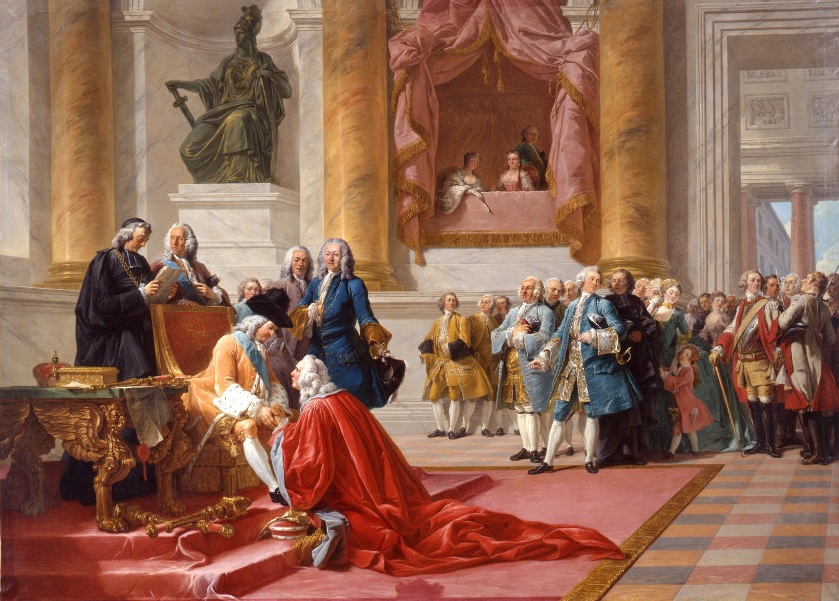
There is something deeply attractive about this version of Stanisław Leszczyński: no longer the anxious claimant to a troubled throne, but the generous and cultivated duke who made Lorraine shine.
Stanisław Leszczyński the Philosopher and Benefactor
He was more than a patron of elegant buildings and courtly entertainment.
Stanisław Leszczyński also wrote.
Historians often present him as an enlightened monarch whose works addressed the disorders of his native country and proposed reforms, including the exclusion of foreigners from the Polish throne, the abolition of the liberum veto, army and fiscal reform, and a more rational central government.
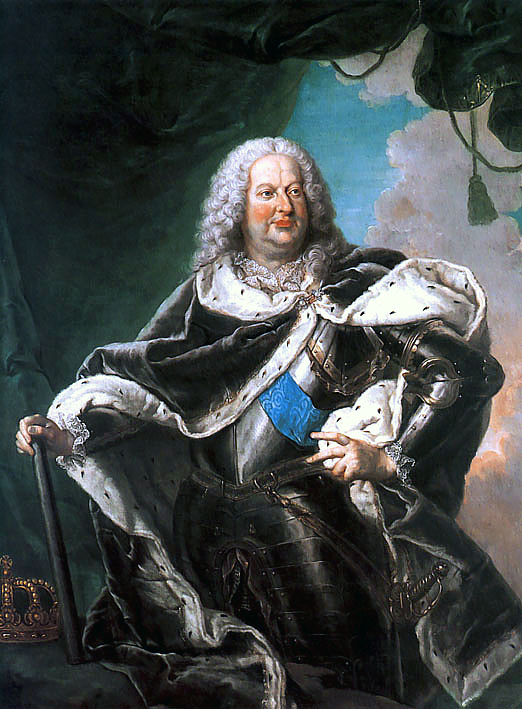
In later writings, he also described an ideal city and defended liberty, separation of powers and a measured, thoughtful faith far removed from fanaticism.
What I find especially appealing is that his reputation in Lorraine was not built on splendour alone.
He also supported schools, hospitals, legal aid, collective granaries and help for the poor.
He welcomed communities that might have been excluded elsewhere and gained a reputation as a benevolent philosopher.
In an age when many rulers preferred display to generosity, Stanisław Leszczyński seems to have wanted both beauty and usefulness.
Stanisław Leszczyński and the Sweet Side of French Memory
No portrait of Stanisław Leszczyński would be complete without mentioning gastronomy.
This is where history becomes delightfully French.
According to tradition, he is credited with inventing the baba au rhum at Lunéville after finding a kugelhopf too dry and deciding to soak it in a sweet syrup enriched with rum.
The same page also says he helped popularise the Madeleine de Commercy.
Whether every culinary detail can be proven beyond doubt is almost beside the point.

These stories tell us how Lorraine chose to remember him: not only as a dynastic figure, but as a cultivated, warm and civilised prince whose court appreciated pleasure, hospitality and the art of living well.
That is a very French kind of immortality.
Stanisław Leszczyński’s Tragic Death and Lorraine’s Final Union with France
His end was as dramatic as much of his life. In 1766, at the age of eighty-eight, Stanisław Leszczyński was badly burned when his dressing gown caught fire near his fireplace at Lunéville.
After a long agony, he died on 23 February 1766.
His remains were honoured in Lorraine, and his mausoleum at Notre-Dame-de-Bonsecours in Nancy still keeps his memory alive.
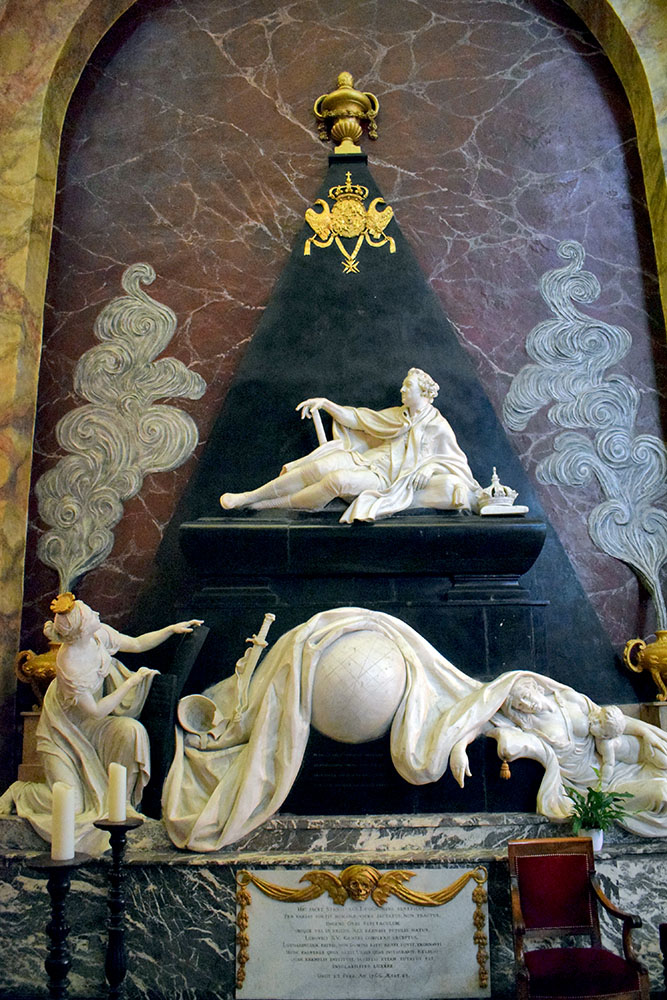
But his death also had immense political consequences. As agreed, the duchies of Lorraine and Bar passed to the kingdom of France.
His death allowed the attachment of Lorraine to France.
So when people say that Stanisław Leszczyński changed Lorraine forever, that is not merely poetic language. It is a historical fact.
Why Stanisław Leszczyński Still Matters
Stanisław Leszczyński matters because his life brings together several histories that readers often keep separate: Poland, Bourbon France, Alsace, Lorraine, Enlightenment culture, royal marriage, urban beauty and national transformation.
He lost thrones, crossed borders, survived humiliation, and yet became, in the end, one of the most beloved figures associated with Lorraine.
That is why his story feels so rewarding to discover.
He was not a conquering hero in the usual sense. He did not build a lasting dynasty of his own.
He did something subtler and perhaps more memorable.
He turned exile into influence, misfortune into grace, and political defeat into cultural legacy.
Today, if you stand in Place Stanislas in Nancy, walk through Lunéville, or remember that Lorraine became French only after his death, you are still living in the shadow of Stanisław Leszczyński.