
Table of Contents
Alsace or Lorraine? Two Neighbouring Regions That Feel Surprisingly Different
For many travellers discovering eastern France, the question Alsace or Lorraine often comes with a bit of confusion.
From a distance — especially when looking at a map from Paris or London — the two regions appear almost inseparable.
They lie side by side in the northeast of France, close to Germany, and they share a long and complex history.
It’s therefore easy to assume that Alsace and Lorraine are simply two variations of the same cultural landscape.
But once you begin exploring them, the differences quickly become clear.
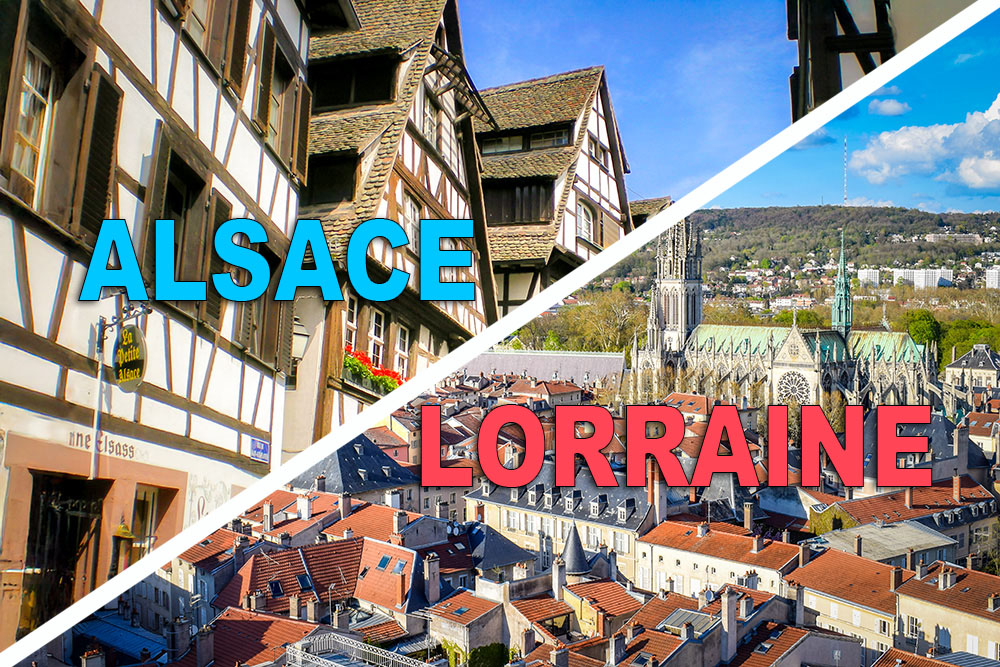
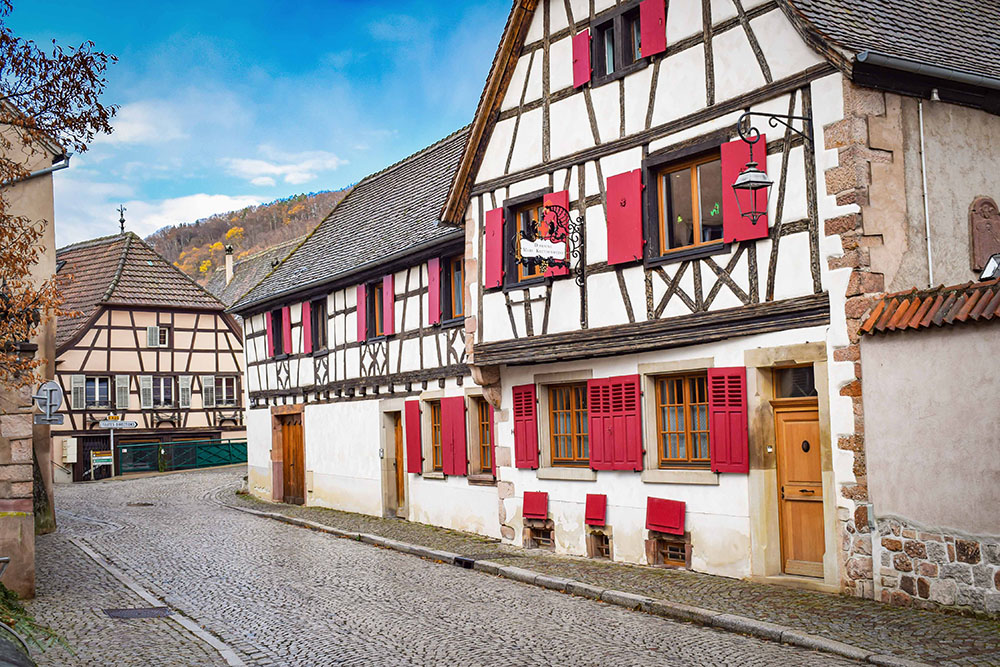
Alsace feels colourful, picturesque and strongly influenced by Central Europe, with its half-timbered houses, wine villages and festive traditions.
Lorraine, on the other hand, feels more classically French, with elegant cities, grand squares and a quieter countryside shaped by forests, rivers and historic towns.
Both regions are fascinating, and both reveal important chapters of French and European history. Yet they offer very different travel experiences.
Understanding the contrast between Alsace and Lorraine not only helps travellers choose where to go — it also makes visiting eastern France far more rewarding.
Alsace or Lorraine: Geography and Landscapes
One of the best ways to understand the contrast between Alsace or Lorraine is to look at geography.
The two regions sit on opposite sides of the Vosges Mountains, a natural barrier that has long separated their landscapes and influenced their cultures.

Alsace: Between Mountains and the Rhine
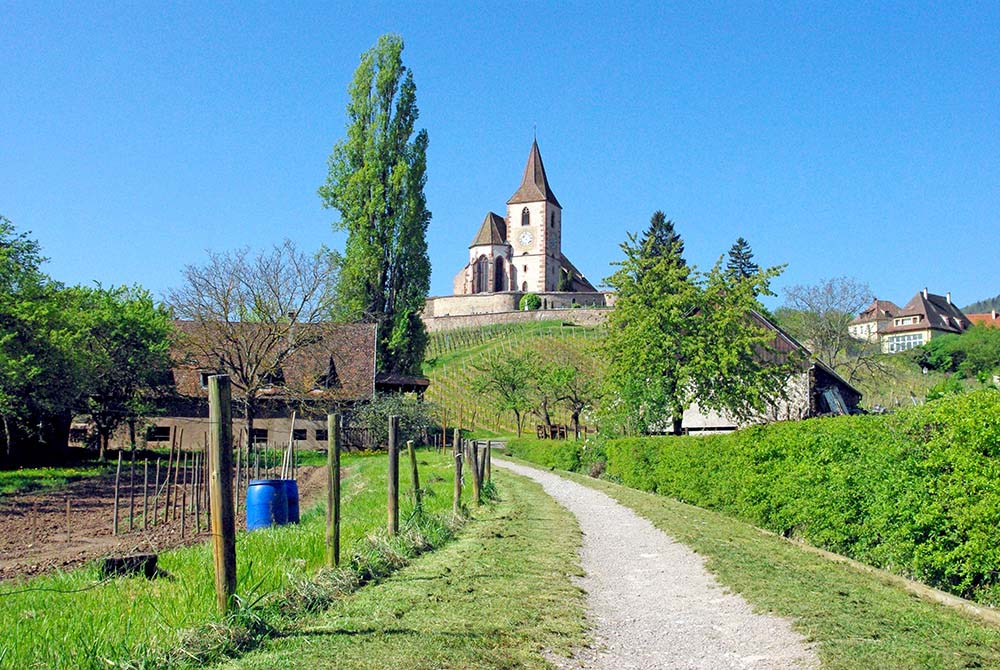
Alsace lies to the east of the Vosges, stretching along the Rhine River that forms the border with Germany.
This geography creates a landscape famous for its vineyards, medieval villages and fertile plains. The slopes of the Vosges are home to the celebrated Alsace Wine Route, where picturesque towns such as Riquewihr, Eguisheim and Kaysersberg attract visitors from around the world.
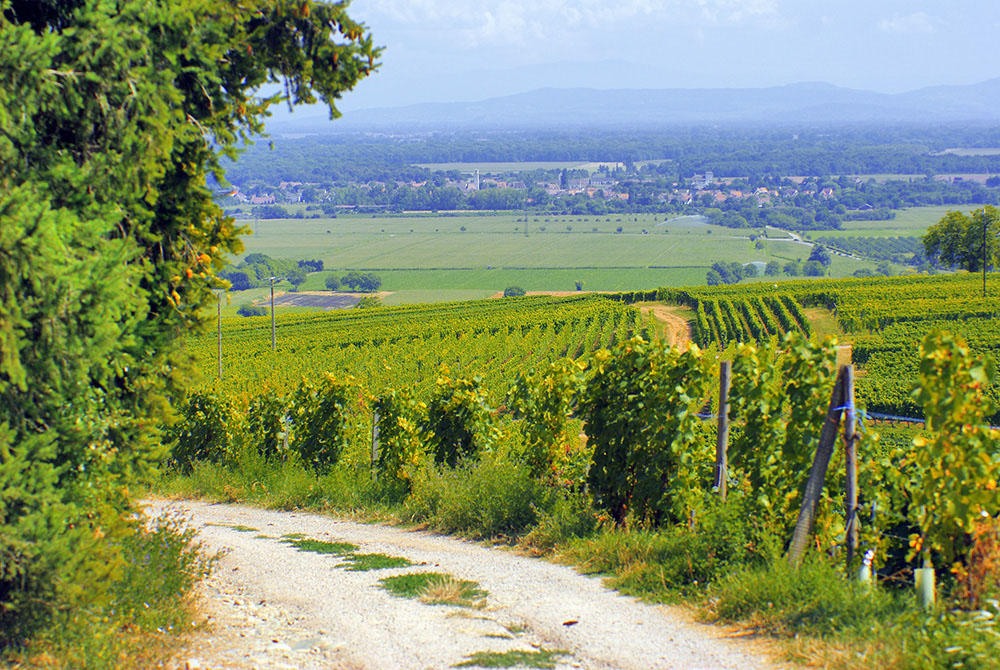
Travelling through Alsace often feels like moving through a series of storybook settings — colourful houses, flower-filled balconies and narrow streets that seem almost designed for wandering.
Lorraine: Plateaus, Forests and Rivers
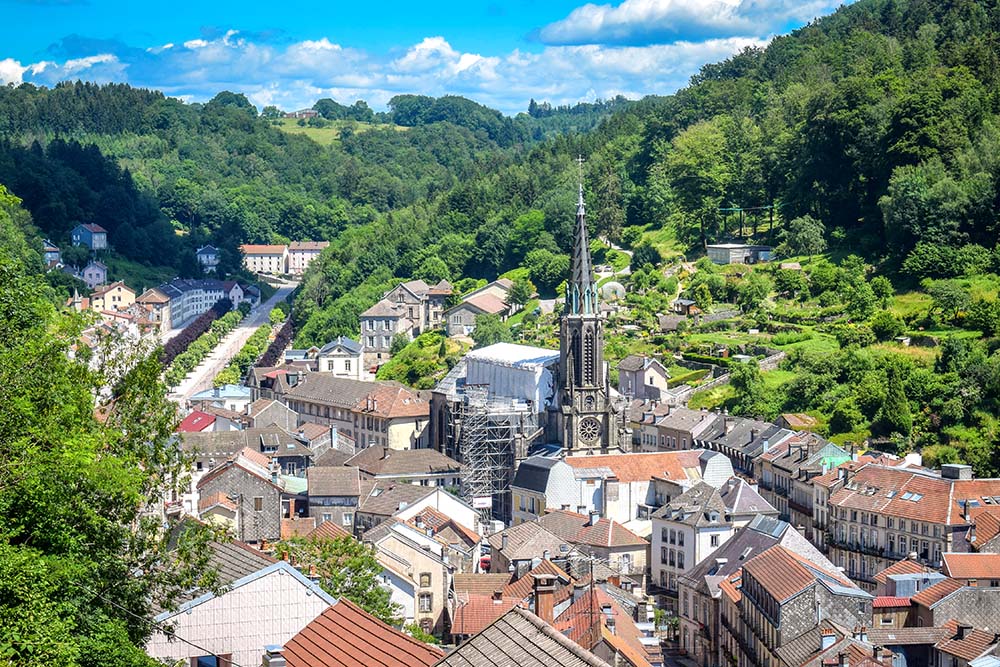
Lorraine lies west of the Vosges Mountains, where the landscape opens into broad plateaus, forests and river valleys.

Instead of vineyards and wine villages, you’ll find lakes, wooded hills and historic towns shaped by centuries of trade and political history. Rivers such as the Moselle and the Meurthe flow through the region, giving cities like Metz and Nancy their distinctive character.
While Alsace often appears romantic and picturesque, Lorraine feels calmer, more spacious and deeply rooted in French history.
Alsace or Lorraine: A History That Shaped Two Identities
The historical relationship between Alsace and Lorraine helps explain why the two regions feel so different today.
Alsace: Between France and Germany
For centuries, Alsace stood at the crossroads of European powers. It was once part of the Holy Roman Empire, later became French, then German again after the Franco-Prussian War, before finally returning to France after the First World War.
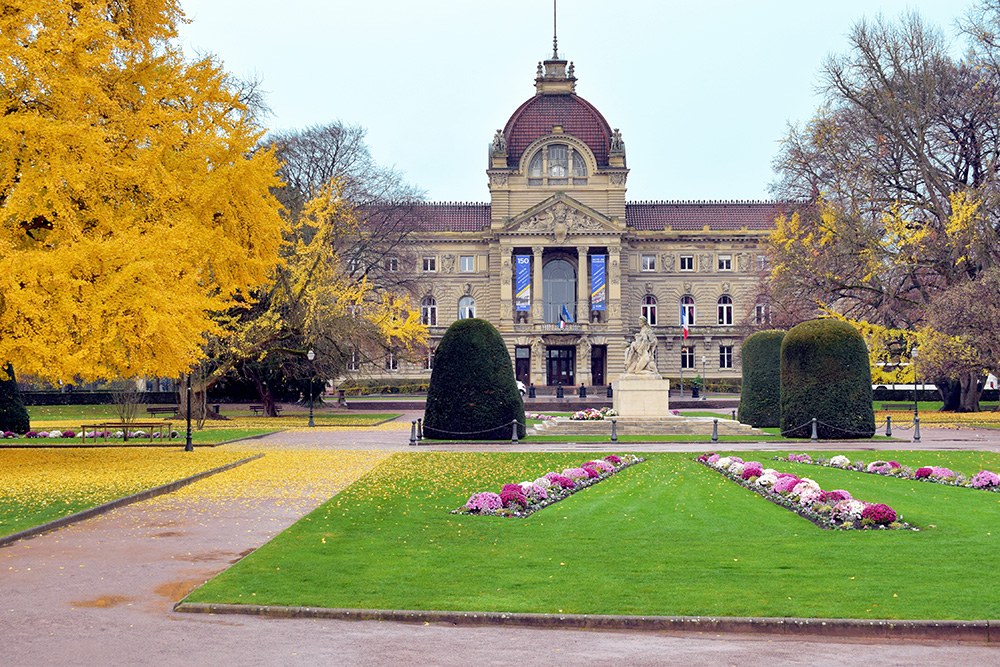
This back-and-forth history left a strong cultural imprint. Even today, many aspects of Alsatian culture — from architecture to cuisine and dialect — reflect a blend of French and German influences.
Lorraine: A Duchy with Strong French Influence
Lorraine followed a different path. For many centuries, it existed as the independent Duchy of Lorraine, ruled by its own dukes.
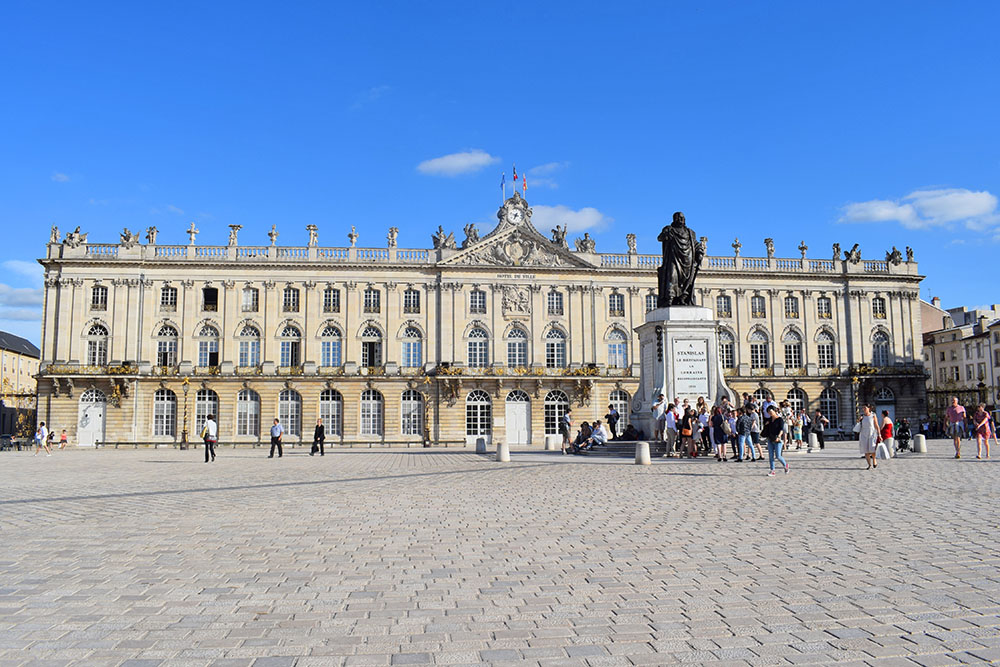
Eventually, the region became part of France in the 18th century, and its cities developed under strong French cultural influence. The elegant urban planning of Nancy, particularly around the famous Place Stanislas, reflects this period of refinement and connection with the French royal court.
Understanding this history makes the comparison Alsace or Lorraine far more meaningful: each region reflects a different chapter of Europe’s past.
Alsace or Lorraine: Architecture That Tells the Story
Architecture is perhaps the most visible difference between Alsace and Lorraine.
Alsace: Half-Timbered Villages and Colourful Streets
In Alsace, the first thing visitors notice is the abundance of half-timbered houses. Painted in bright colours and often decorated with flowers, these buildings create the charming atmosphere that has made the region famous.
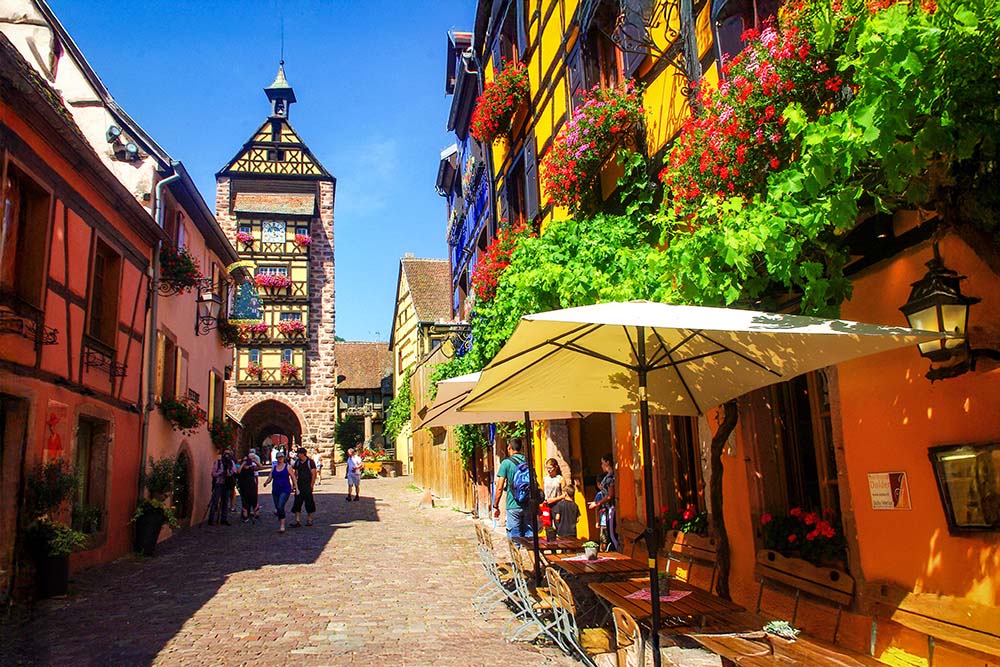
Cities like Strasbourg and Colmar showcase this style beautifully, with medieval streets, canals and historic squares that seem almost lifted from a fairy tale.

This architectural heritage reflects centuries of Germanic influence and gives Alsace a distinctive Central European feel.
Lorraine: Stone Cities and Classical Elegance
Lorraine presents a very different visual landscape.
In Metz, buildings are often constructed from Jaumont stone, a warm yellow limestone that gives the city its famous golden glow. The towering Saint-Étienne Cathedral dominates the skyline and stands as one of the great Gothic monuments of France.
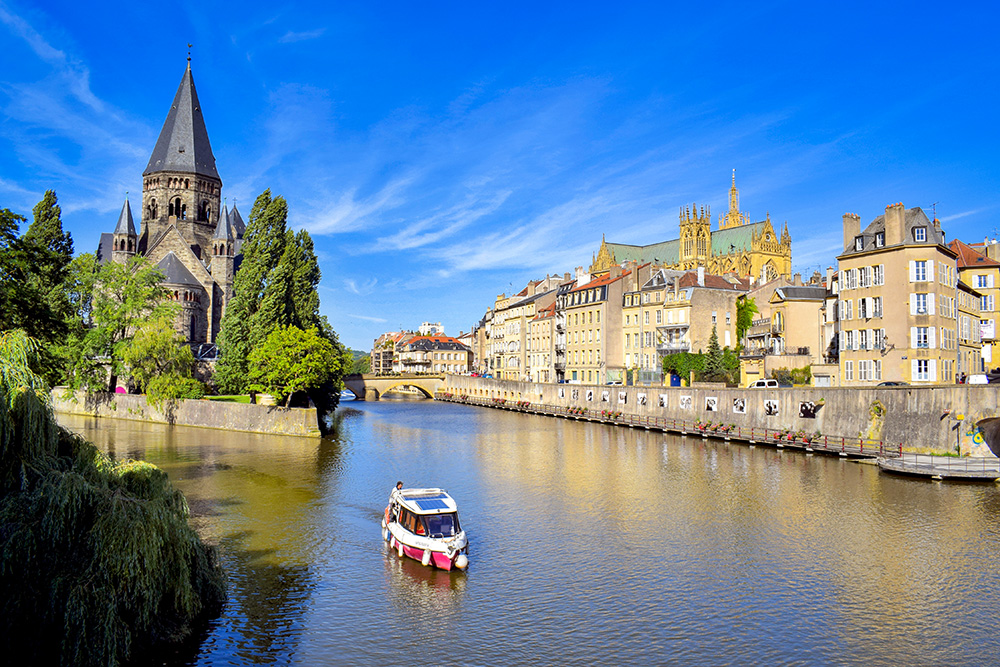
In Nancy, architecture reflects the elegance of the 18th century. The magnificent Place Stanislas, surrounded by harmonious classical buildings and gilded gates, is widely considered one of the most beautiful squares in Europe.
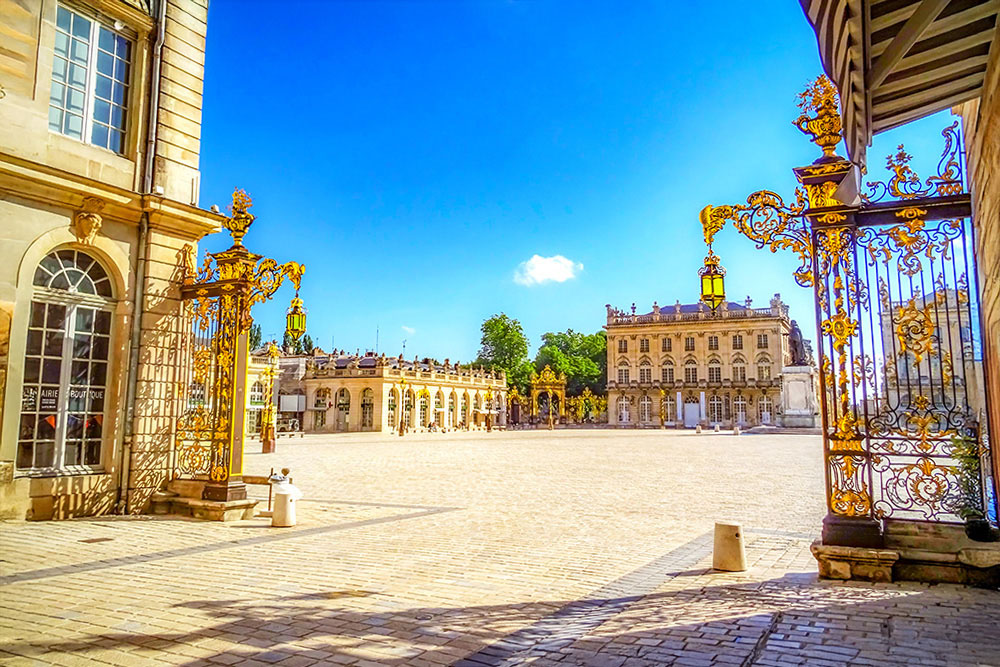
Together, these cities show how Lorraine expresses its identity through grand architecture rather than picturesque villages.
Alsace or Lorraine: Two Distinct Culinary Traditions
Food is another area where the contrast between Alsace and Lorraine becomes clear.
Alsace: Flavours with German Influence
Alsatian cuisine reflects its Central European heritage.
Visitors quickly encounter dishes such as choucroute garnie, tarte flambée and the sweet kugelhopf cake. The region is also famous for its white wines, including Riesling, Gewürztraminer and Pinot Gris.
Meals in Alsace often feel hearty and convivial, perfectly suited to the region’s festive traditions.

Lorraine: Classic French Regional Cooking
Lorraine’s gastronomy leans more toward traditional French cuisine.
The region gave the world quiche lorraine, a savoury tart now known internationally. Another local favourite is tourte lorraine, a rich pie filled with marinated pork and veal baked in golden pastry.
Lorraine is also the land of the famous mirabelle plum, celebrated every summer and used in desserts, jams and liqueurs.

These culinary traditions highlight how Alsace and Lorraine share geographic proximity but express different cultural influences at the table.
Alsace or Lorraine at Christmas
Winter offers one of the most striking contrasts between Alsace or Lorraine.
Alsace: The Christmas Market Capital
Alsace is world-famous for its Christmas markets. Cities such as Strasbourg and Colmar transform into magical winter destinations filled with wooden stalls, festive lights and seasonal treats.

For many travellers, visiting the Christmas markets is the main reason to explore Alsace and Lorraine during the winter season.
Lorraine: The Tradition of Saint Nicholas
Lorraine celebrates winter differently. Instead of focusing primarily on Christmas markets, the region honours Saint Nicholas, the historic patron saint of Lorraine.
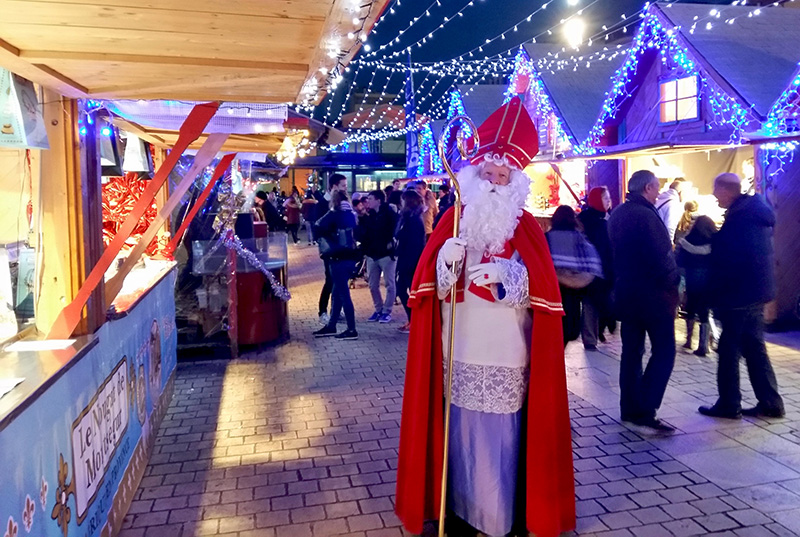
In early December, the city of Nancy hosts large celebrations and a colourful parade welcoming Saint Nicholas — a tradition deeply rooted in local history and beloved by residents.
Alsace or Lorraine: Which Region Should You Visit?
When travellers ask Alsace or Lorraine, the answer ultimately depends on the experience they are looking for.
Choose Alsace if you dream of:
- picturesque wine villages
- colourful half-timbered houses
- festive Christmas markets
- romantic landscapes
Choose Lorraine if you prefer:
- historic cities like Nancy and Metz
- grand architecture and elegant squares
- fewer crowds
- a quieter atmosphere rich in history

Why Alsace and Lorraine Are Even Better Together
In reality, the best answer to the question Alsace or Lorraine may simply be: both.
The two regions sit side by side and complement each other beautifully. Travellers who explore both discover two different visions of eastern France — one colourful and storybook-like, the other elegant and historic.
Together, Alsace and Lorraine reveal the full richness of a part of France where cultures, landscapes and traditions meet.
And once you experience both, the question may no longer be Alsace or Lorraine — but rather when to return to explore them again.