

The Cour d’Or Museum is one of my favourite places to visit in Metz.
And yet, I should probably warn you straight away: it is not the kind of museum where you simply follow one neat corridor from room 1 to room 2, then politely end up in the gift shop.
No. The Cour d’Or Museum feels more like a labyrinth.
You go down a staircase, turn a corner, step into a medieval hall, cross a gallery, find yourself facing Roman remains, then suddenly discover a painted ceiling, a religious sculpture, a fossil, or a vast relief map of Metz.
And I love that.
I have visited the museum several times, first in spring 2018, and more recently at the end of May 2026 during my latest stay in Metz. Each time, I came out with the same impression: I had not simply visited a museum. I had wandered through a city within the city.
A hidden Metz. A buried Metz. A Metz made of stone, memory, art and unexpected treasures.
The museum is located just a short walk from Saint-Étienne Cathedral, which makes it very easy to include in a visit to the historic centre. One minute you are admiring the cathedral’s glowing stained glass; the next, you are descending into the layers of Metz’s Roman and medieval past.
But once inside, do not be surprised if you lose track of time.
Or, indeed, the exit.
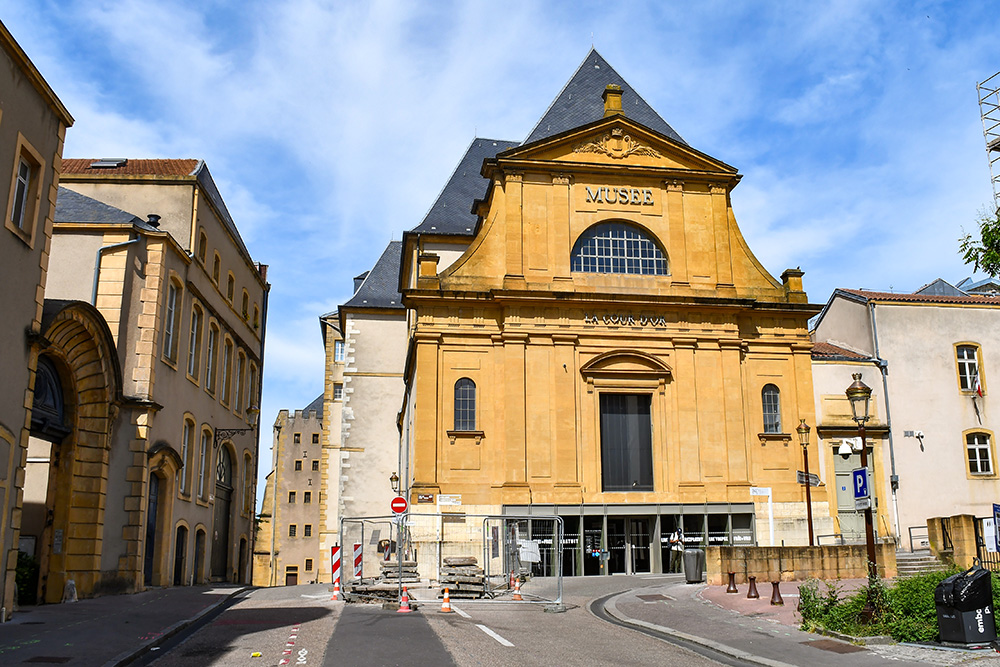
Table of Contents
A Museum at the Heart of Old Metz
The Cour d’Or Museum stands in the historic centre of Metz, in Rue du Haut-Poirier.
Its name already sets the tone. “Cour d’Or” refers to the legendary palace of the kings of Austrasia, traditionally believed to have stood in this part of the city.
Whether one comes for archaeology, medieval art, fine arts or simply curiosity, the name gives the visit a slightly royal, almost mysterious flavour.
The museum itself was founded in the 19th century, but the experience today is the result of many layers: collections, extensions, restored spaces and historic buildings brought together over time.
That is what makes it so special.
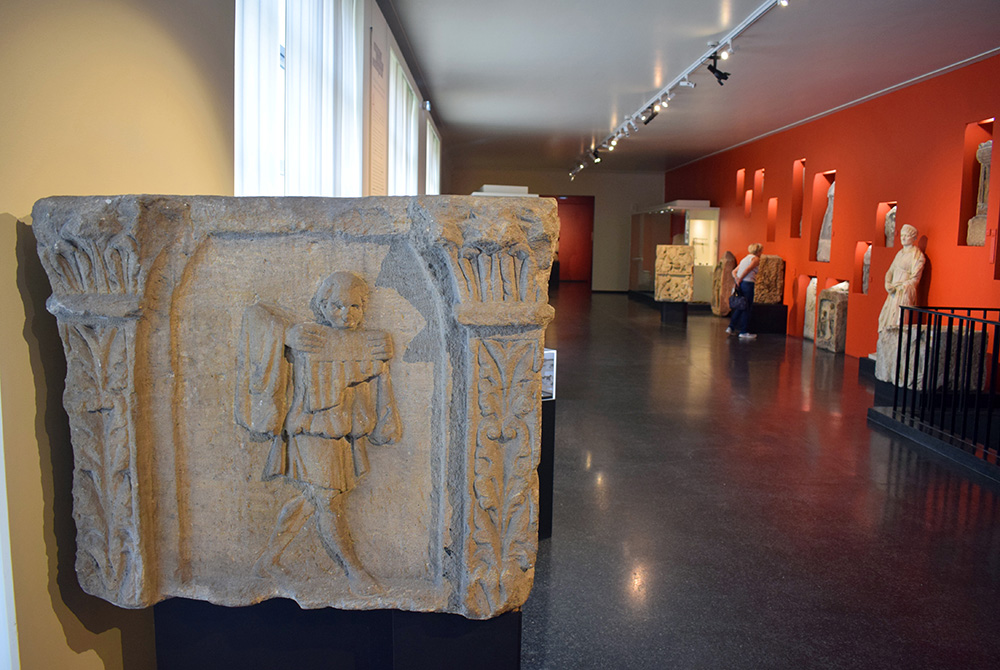
At the Cour d’Or Museum, the building is not just a container for the collections. It is part of the story.
You do not simply look at objects behind glass. You walk through ancient and medieval spaces. You pass through the former Abbatiale des Petits-Carmes, the old abbey church of the Petits-Carmes. You explore the Grenier de Chèvremont, or Chèvremont Granaries. You descend to Roman baths preserved underground.
In other words, the museum does not just tell the history of Metz.
It physically contains it.
The Roman Baths: Metz Beneath Metz
One of the most striking parts of the visit is found in the Gallo-Roman collections.
You go down into the lower levels of the museum, and suddenly modern Metz seems to vanish. Beneath your feet, the city becomes Divodurum, the ancient settlement of the Mediomatrici.
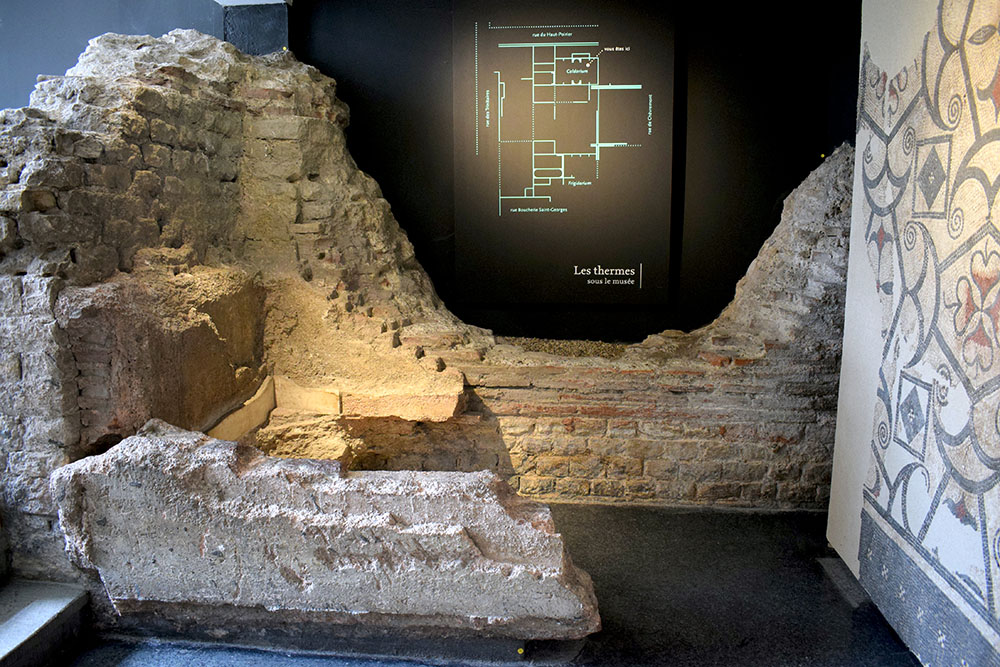
The remains of Roman baths were discovered in the 1930s during building work and are now preserved in situ. That little Latin phrase matters. It means the remains are not just exhibited in a museum setting. They are still in the very place where they were found.
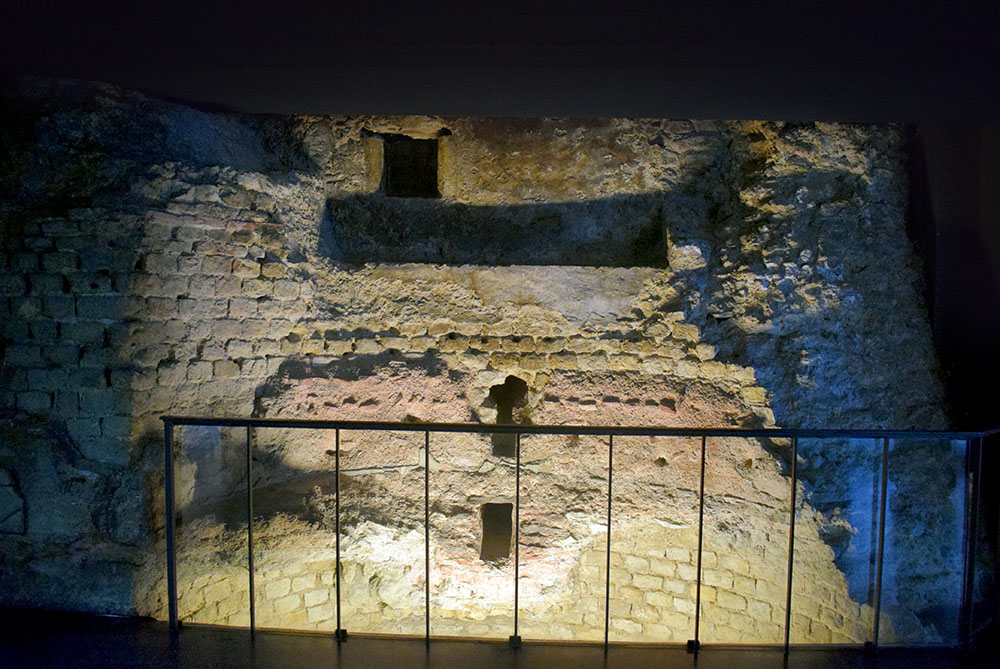
For me, that changes everything.
You are not simply looking at ancient stones. You are standing inside the hidden foundations of the city.
Above you, there is Metz with its cathedral, cafés, bridges and warm limestone façades. Below, there is another Metz: quieter, older, half-buried, but still present.
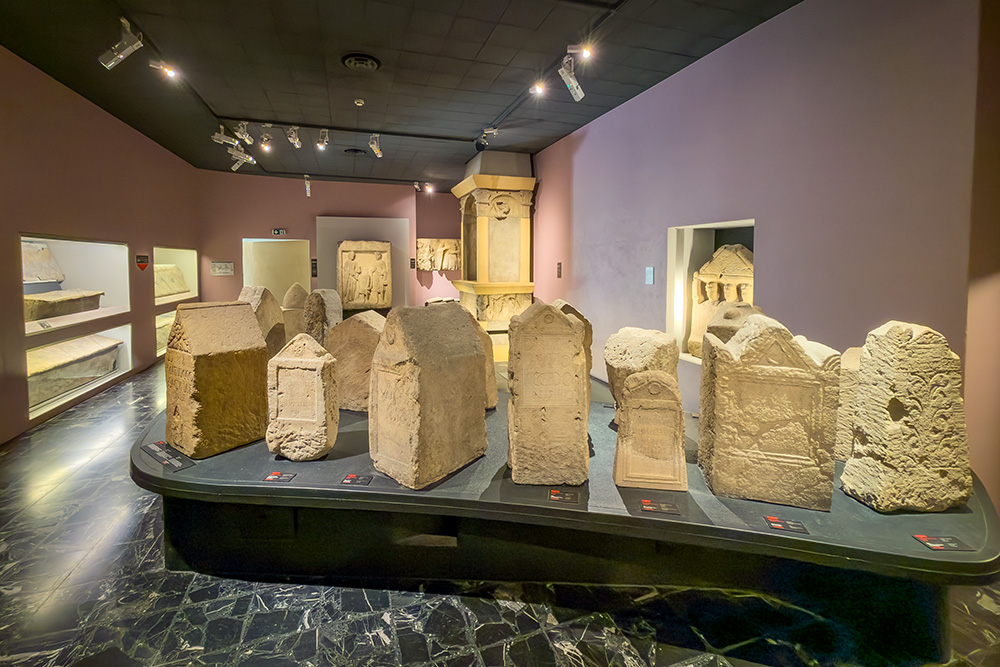
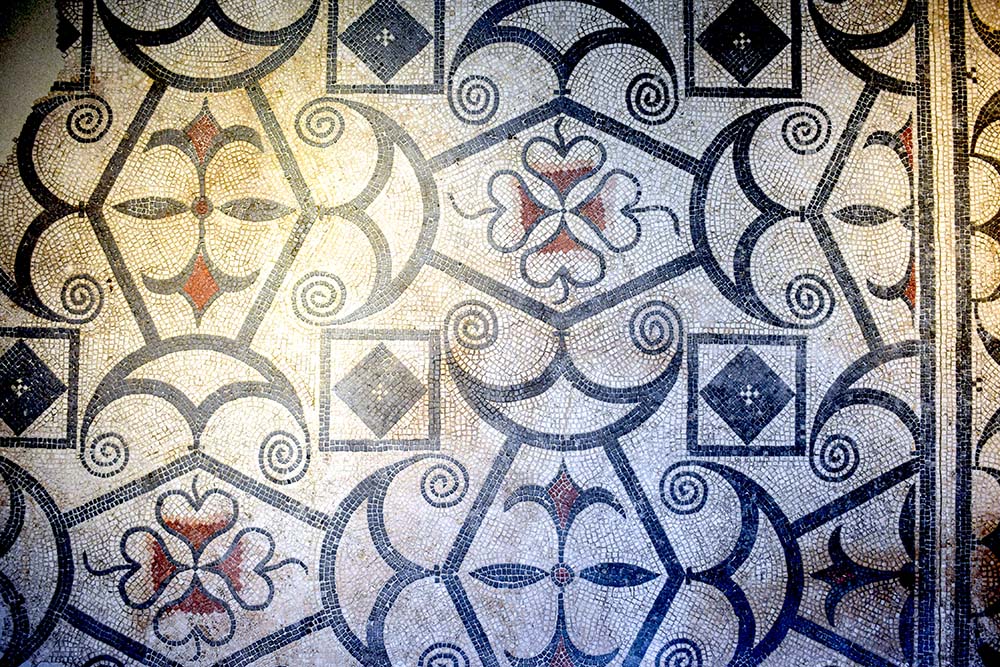
The Gallo-Roman collections include funerary steles, everyday objects, religious sculptures, urns, inscriptions and remarkable pieces such as the Autel de Mithra de Sarrebourg, the Mithras Altar from Sarrebourg, and the Colonne de Merten, or Merten Column.
But this is not an article where I want to list every object in the museum.
What matters most, to me, is the feeling.
This part of the Cour d’Or Museum reminds us that Metz did not begin with its Gothic cathedral or its medieval walls. The city was already important long before that. A fragment of stone, a carved face, a funerary inscription or the trace of a Roman heating system can suddenly make an entire vanished world feel close again. I’ll come back to this part of the museum later in my article.
The Buildings Are Part of the Visit
The Cour d’Or Museum is fascinating because several historic sites are woven into the visit.
The former Abbatiale des Petits-Carmes, the old abbey church of the Petits-Carmes, plays an important role in the museum’s architecture.
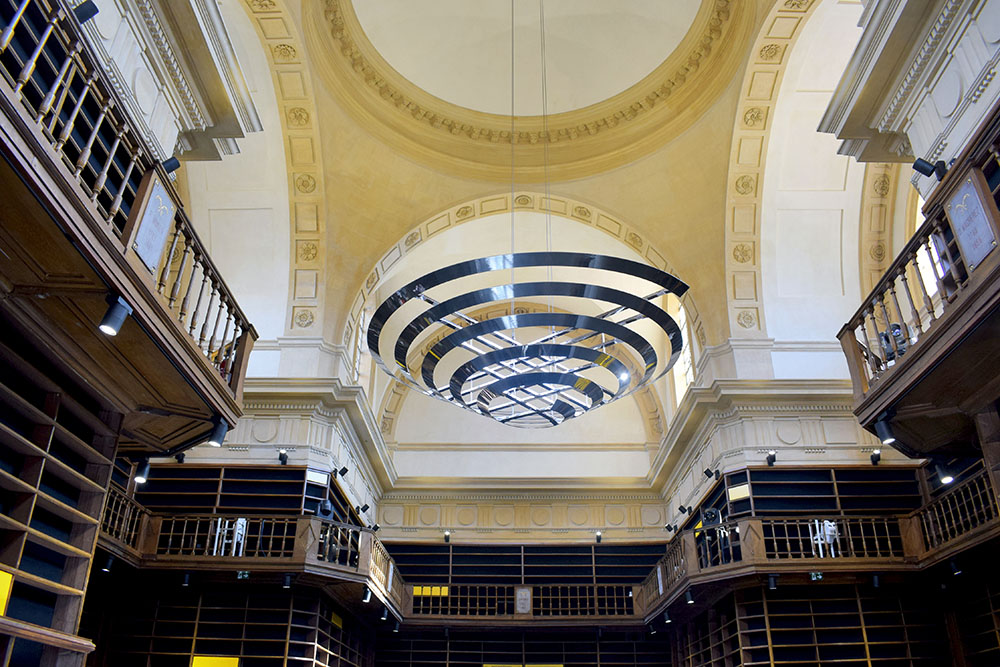
Entering through a former religious building gives the visit a particular atmosphere.
It is not a neutral doorway. It already feels like a passage into another layer of Metz.
Then there is the Grenier de Chèvremont, often translated as the Chèvremont Granaries.
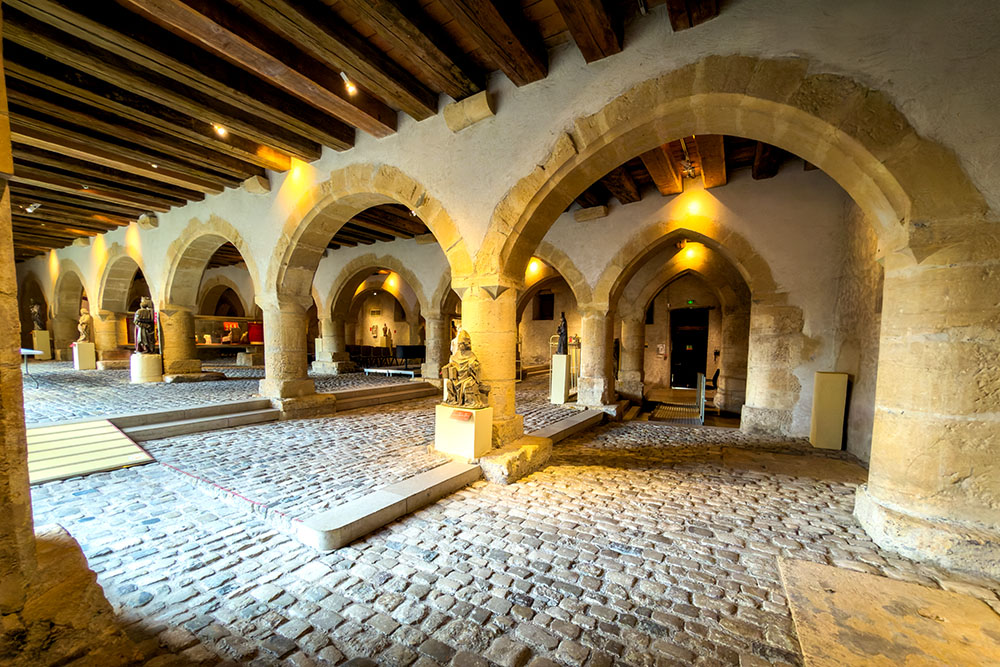
This imposing medieval building was constructed in the 15th century and originally served a very practical purpose. It was used for storage, especially at a time when a prosperous city needed to manage grain, supplies and reserves carefully.
I find that fascinating.
When we think of the Middle Ages, we often imagine cathedrals, knights, ramparts and religious art. But a municipal granary tells another story: the story of a city that had to feed itself, organise itself and prepare for the future.
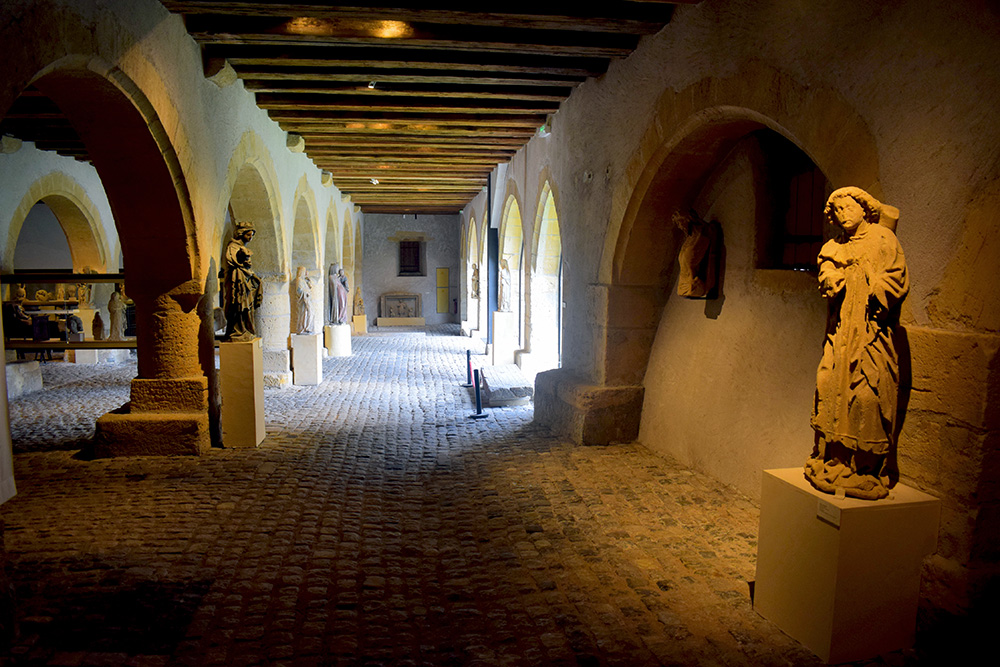
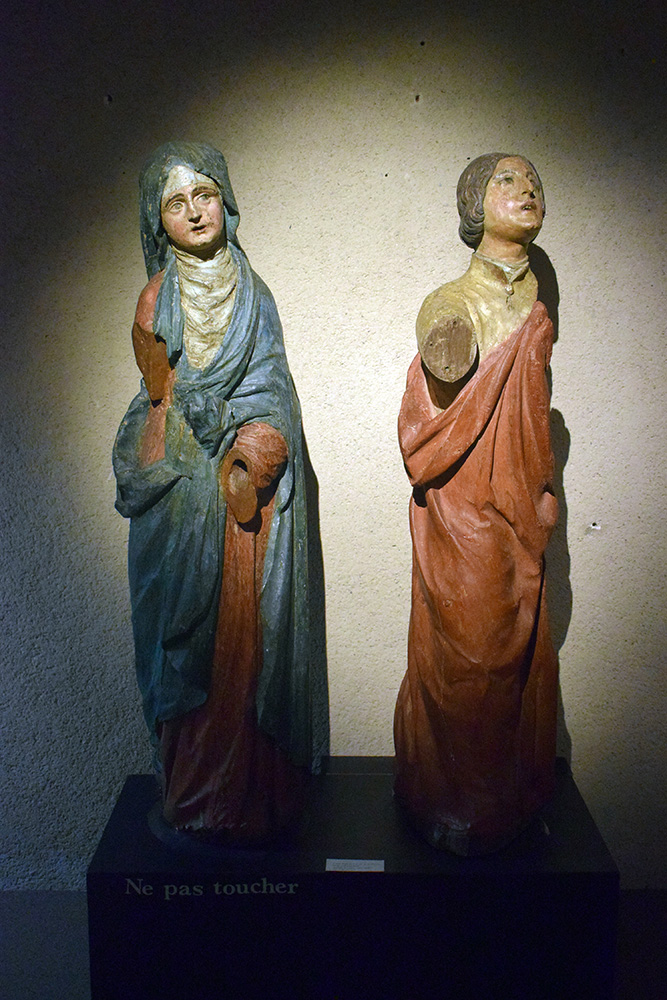
The Grenier de Chèvremont is not delicate or decorative in the way a church might be. It is solid, geometric, almost fortress-like. Inside, it now houses part of the museum’s medieval collections, including religious sculpture from Lorraine.
There is something beautiful in that transformation.
A building once used to preserve grain now preserves the memory of Metz.
A Labyrinth Where Getting Lost Is Part of the Pleasure
I must admit it: the Cour d’Or Museum can be confusing.
During one of my visits, a few English-speaking visitors told me they were trying to find the exit and could not quite work out where to go. I understood them completely. The route is not always obvious. You move from one level to another, pass through very different spaces, and occasionally wonder whether you have already been in that room before.
But personally, I rather enjoy it.
Many museums are perfectly linear. You begin at the start, follow the arrows, admire the masterpieces in the expected order, and eventually emerge with a respectable sense of cultural achievement.
The Cour d’Or Museum is different.
Here, I feel as if I am opening doors.
You never know exactly what will appear after the next staircase. Roman remains? A medieval ceiling? A religious sculpture? A fine arts gallery? A fossil? A giant model of Metz?
That sense of discovery is part of the charm.
For me, the museum feels like a treasure hunt. And in a city like Metz, with its bridges, river views, hidden courtyards and unexpected perspectives, that seems entirely appropriate.
This is not just a museum to be visited.
It is a museum to be explored.
The Medieval Collections: Metz in Stone, Wood and Memory
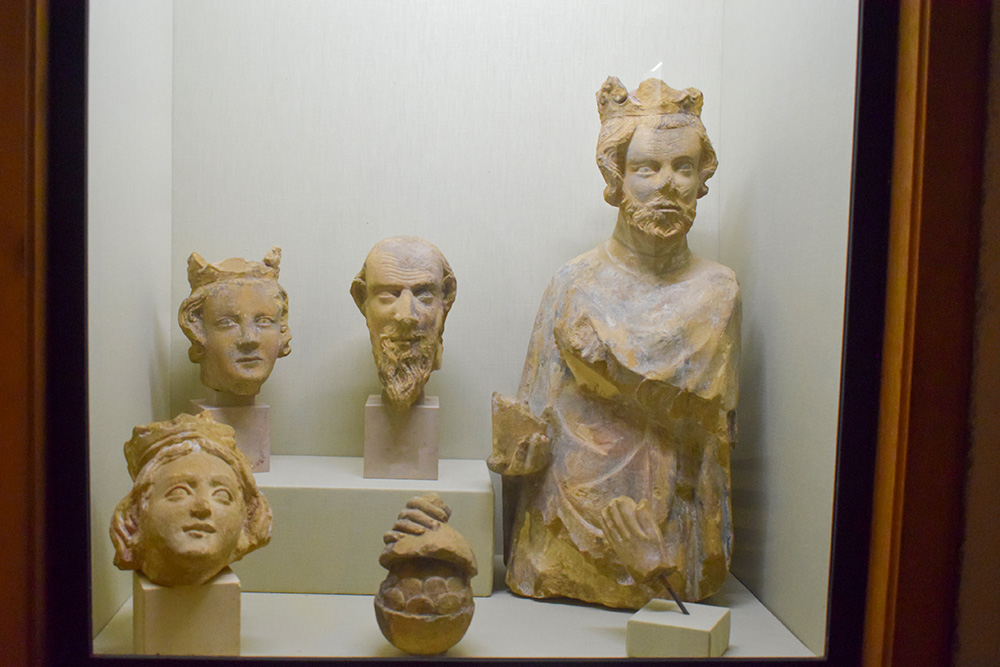
The medieval collections are one of the highlights of the Cour d’Or Museum.
Metz was a wealthy and powerful city in the Middle Ages. It was a major urban centre in Lorraine, shaped by French, Germanic and local influences. The museum helps you feel that importance, not through dry explanations, but through fragments that have survived.
You will find Merovingian objects, weapons, belt buckles, ceramics, religious sculptures and architectural elements. One of the most important pieces is the Chancel de Saint-Pierre-aux-Nonnains, one of the great witnesses to early medieval Metz.
But again, what stays with me is not only the rarity of the objects.
It is the atmosphere.
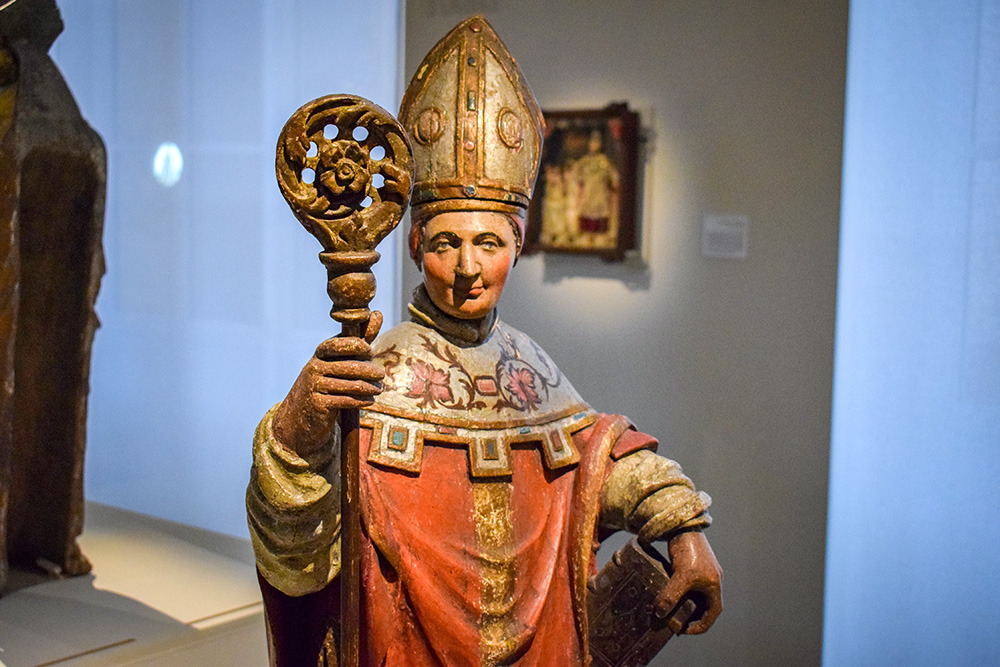
The medieval rooms make you feel as if pieces of old Metz have been rescued and brought together here: parts of houses, churches, façades, interiors and vanished neighbourhoods.
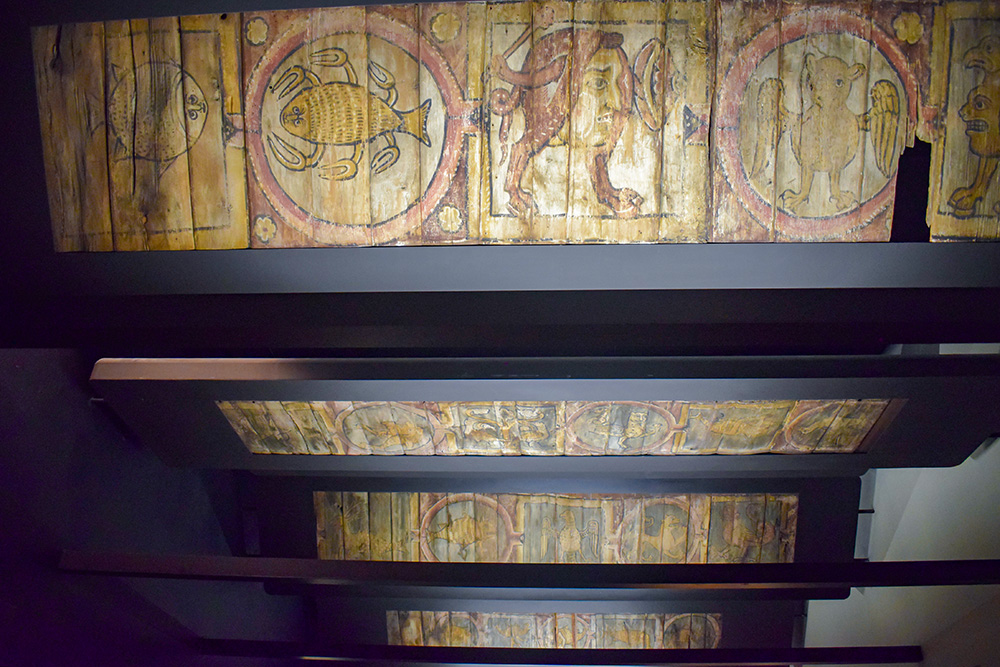
I particularly like the painted wooden ceilings.
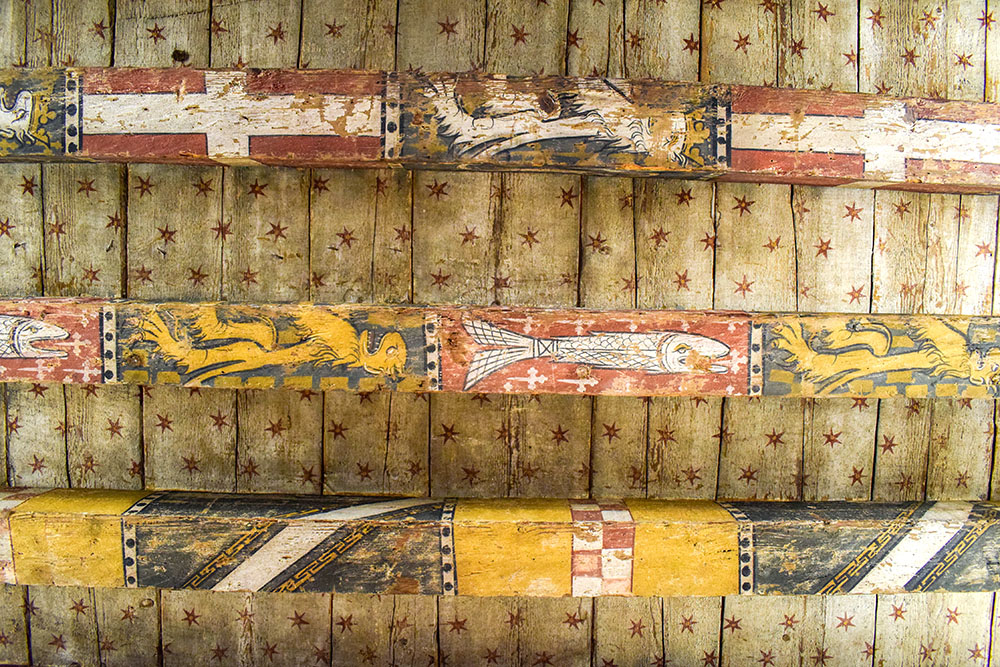
They are easy to overlook if you are rushing, but they say so much. They remind us that medieval interiors were not necessarily dark, bare and gloomy. They could be colourful, imaginative and full of detail.
I find that very moving.
Someone, centuries ago, may have looked up at those very same patterns in a house in Metz. Today, we look at them in a museum, but the human connection remains.
That is the kind of detail that makes the Cour d’Or Museum so rewarding.
The Plan-Relief de Metz: Seeing the City Like a Giant
One of the great discoveries of my visit in May 2026 was the relief map of Metz.
And honestly, do not miss it.
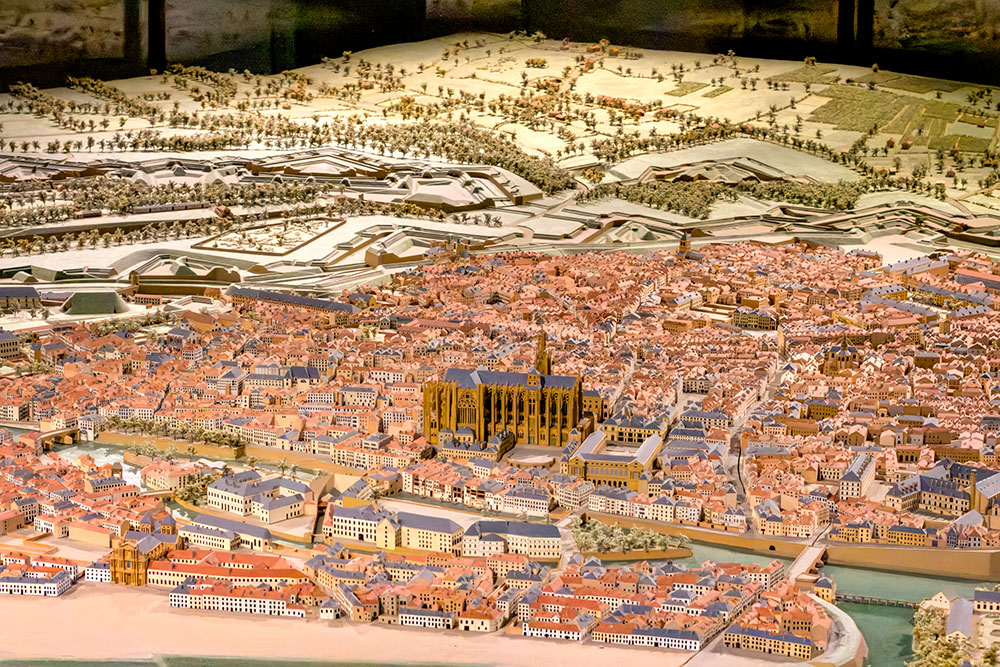
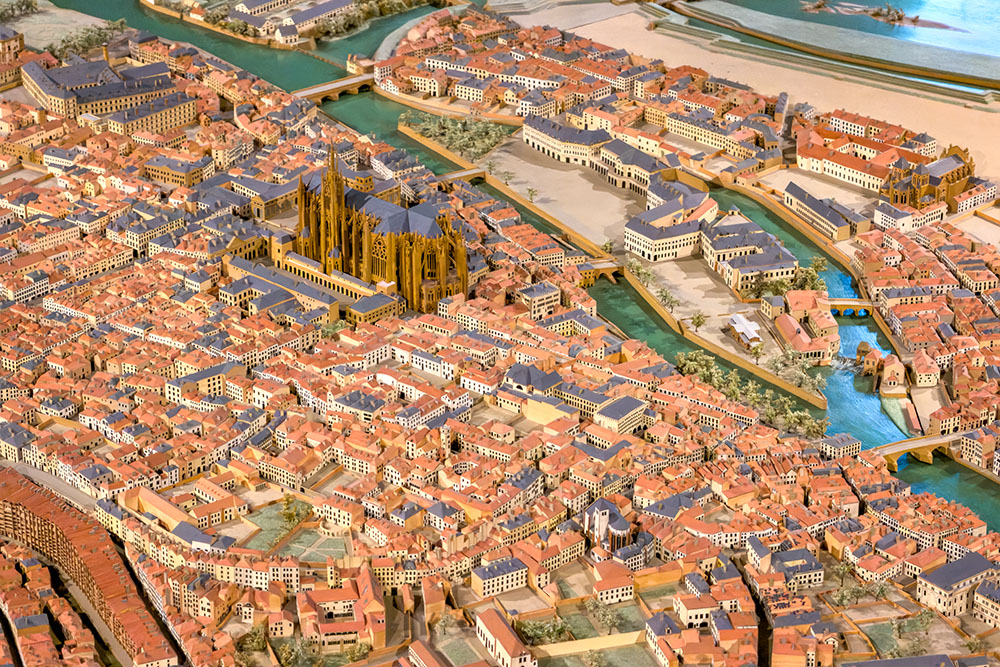
This remarkable model represents Metz in the 19th century, when the city was still strongly shaped by its military role and fortifications. It is a faithful copy of the original preserved at Les Invalides in Paris and was made between 1991 and 2000 by city staff.
It is enormous, detailed and quite mesmerising.
You lean over Metz like a friendly giant.
You start looking for the cathedral. Then the rivers. Then the streets, bridges, ramparts and familiar places. You compare the city in miniature with the city you have just walked through outside.
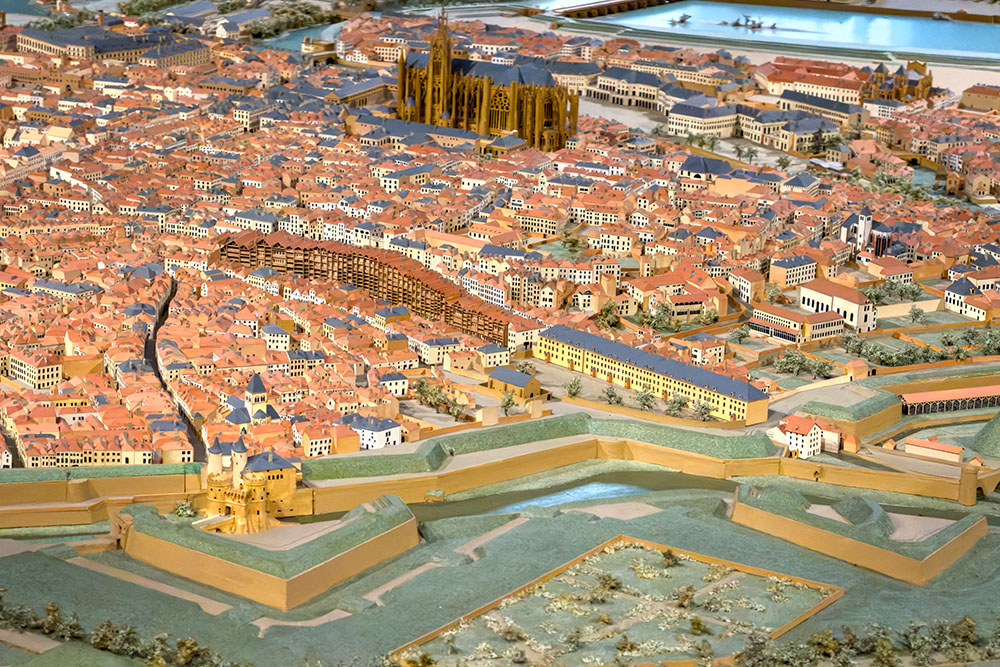
For me, the Plan-relief is more than a spectacular model. It is a key to understanding Metz.
It shows the city as a whole: its strategic position, its relationship with the Moselle, its fortifications and its dense urban fabric.
And there is also a very simple pleasure in it: the pleasure of searching.
Where is the cathedral? Where are the old gates? Where does the city open towards the river?
It feels a little like reading an old map, except that the map has risen from the page.
The Fine Arts: A Quieter Pause
After the Roman remains and medieval spaces, the fine arts collections offer a different rhythm.
The Cour d’Or Museum includes paintings from various periods, but what interests me most is the way some of them connect back to Metz and Lorraine.
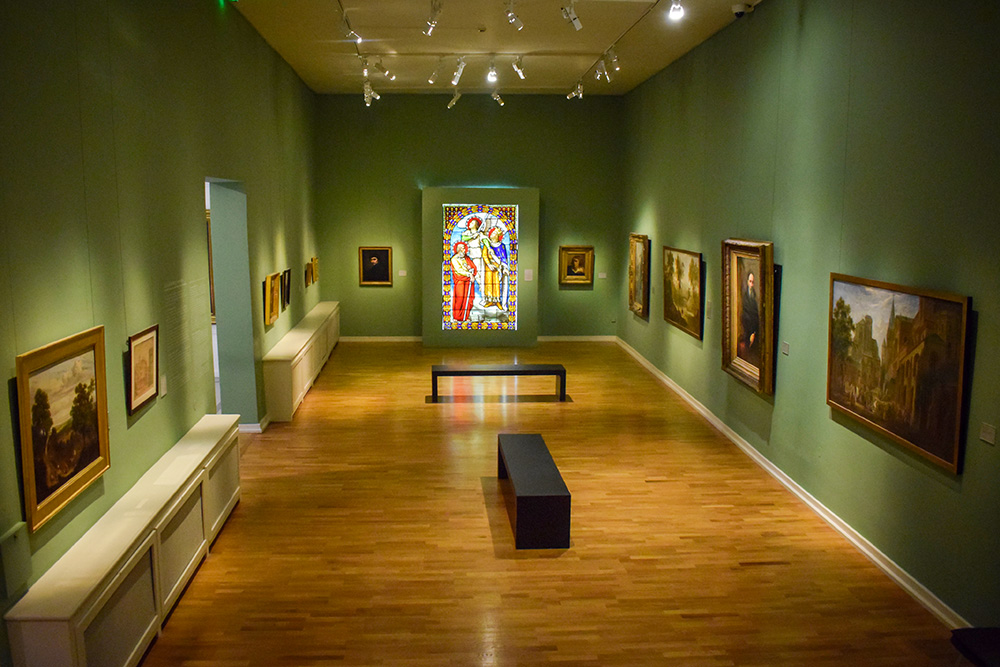
The École de Metz, or Metz School, is especially important here. This 19th-century artistic movement helps visitors understand a more recent cultural chapter in the city’s history.
That is what I appreciate.
The fine arts section is not just a separate gallery that could be anywhere. At its best, it continues the conversation with the city. Paintings, local artists, historic views and regional references all add another layer to the visit.
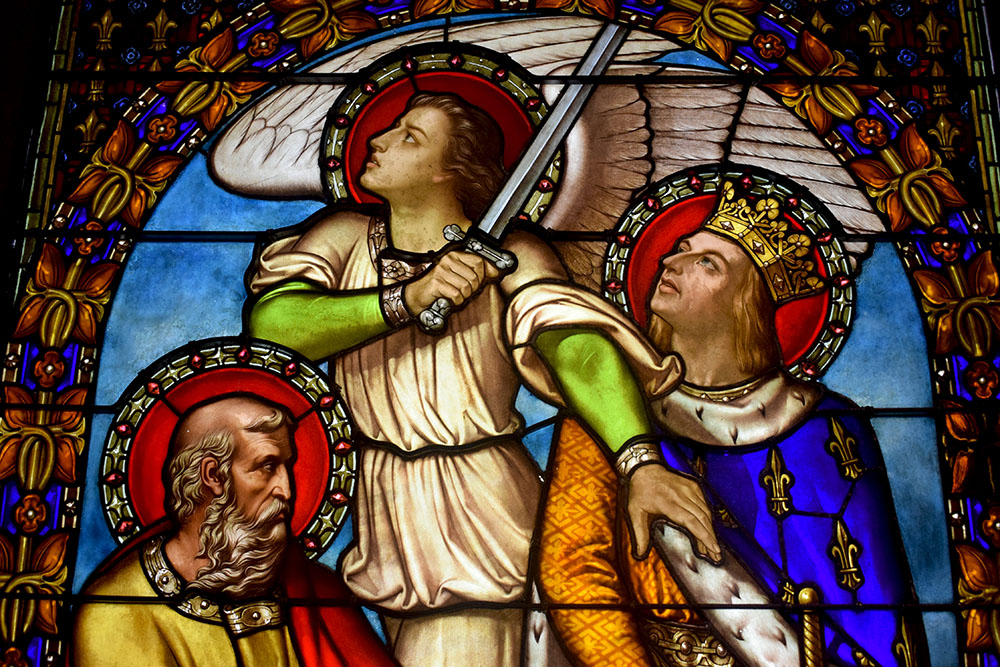
I will not pretend that I stop in front of every painting with equal attention. In any museum, there are rooms where you linger and rooms where you naturally move a little faster.
But after the stone, the archaeology and the medieval sculpture, this part of the museum feels like a pause.
A quieter space.
And in a labyrinth, a pause is always welcome.
The Pavillon de la Biodiversité: An Unexpected Change of Scene
Then comes another change of atmosphere: the Pavillon de la Biodiversité, or Biodiversity Pavilion.
At first, you might wonder what biodiversity is doing in a museum of art and history.
But that surprise is part of the appeal.
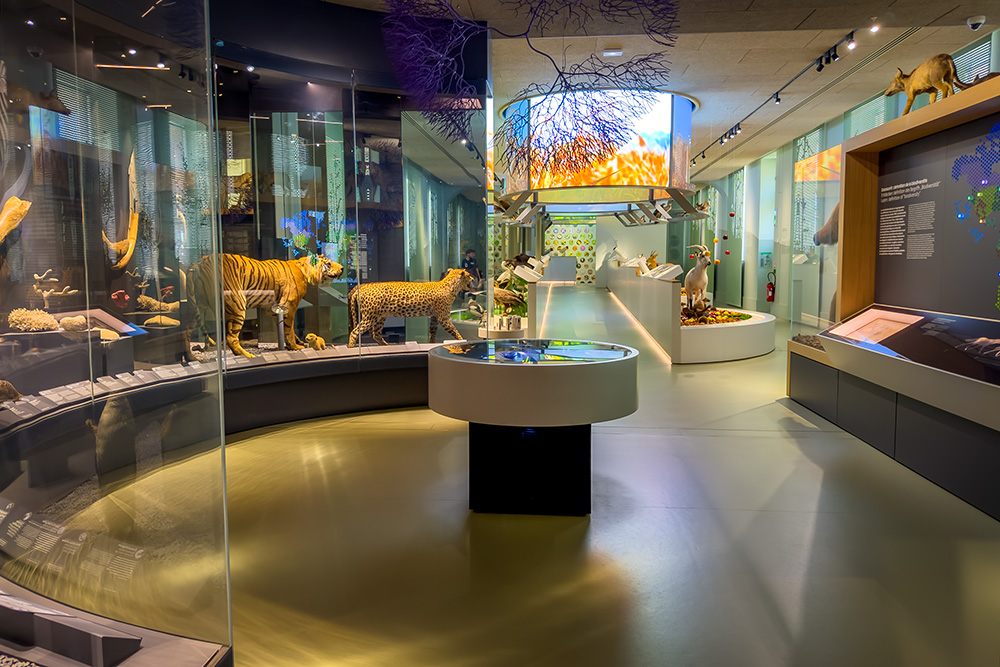
Here, the museum opens onto the natural world through specimens from its historic natural history collections. Animals, minerals, fossils and plant-related collections remind us that human history does not exist in isolation from the living world.
After walking through Roman Metz, medieval Metz and artistic Metz, this section broadens the view.
It is almost like a breath of fresh air inside the museum.
It can also be a good moment for families. Children who have patiently followed the archaeological and medieval sections may suddenly become very interested when animals or fossils appear.
And that, too, is part of the Cour d’Or Museum’s charm.
You think you know what sort of museum you are visiting.
Then it takes you somewhere else.
My Practical Tips for Visiting the Cour d’Or Museum
If you are visiting Metz, I genuinely recommend adding the Cour d’Or Museum to your itinerary.
Its location is ideal. You can easily combine it with the cathedral, Place d’Armes, the old streets of the historic centre and a walk towards the Moselle.
But do give it time.
This is not a museum to rush through. Of course, you can focus on the main highlights if your time is limited: the Roman baths, the medieval collections, the Grenier de Chèvremont, the Plan-relief de Metz and a selection of the fine arts rooms.
But the best way to enjoy it, in my opinion, is to accept the rhythm of the place.
Do not try to see absolutely everything.
Let yourself wander a little.
And here is one practical detail I really appreciate: the museum provides lockers. When I visit with a backpack, being able to leave it safely and continue without carrying it around makes a real difference.
It may sound like a small thing, but on a long day exploring Metz, small comforts matter.
Why I Keep Returning to the Cour d’Or Museum
I think I like the Cour d’Or Museum so much because it does not reveal itself completely in one visit.
You have to return.
On my first visit in spring 2018, I was struck by the size of the place and by the feeling of moving from one century to another almost without warning.
When I returned in May 2026, I felt the same sense of discovery, but with new details: the pleasure of seeing the Roman remains again, the atmosphere of the Grenier de Chèvremont, the impressive Plan-relief de Metz, and that familiar feeling of being slightly lost among the rooms.
And perhaps that is the best way to visit this museum.
Get a little lost.
Lost among the corridors, the centuries, the stones, the paintings, the sculptures, the models and the fragments of a city that has lived so many lives.
Just a few steps from the cathedral, the Cour d’Or Museum is one of the best places in Metz to understand the city in depth.
Not as a school lesson.
Not as a catalogue of objects.
But as a journey through 2,000 years of history.
A labyrinth, yes.
But a labyrinth full of treasures.
For visiting details, opening times and general information, visit the official website of the Cour d’Or Museum: